 Wednesday, October 28, 2026
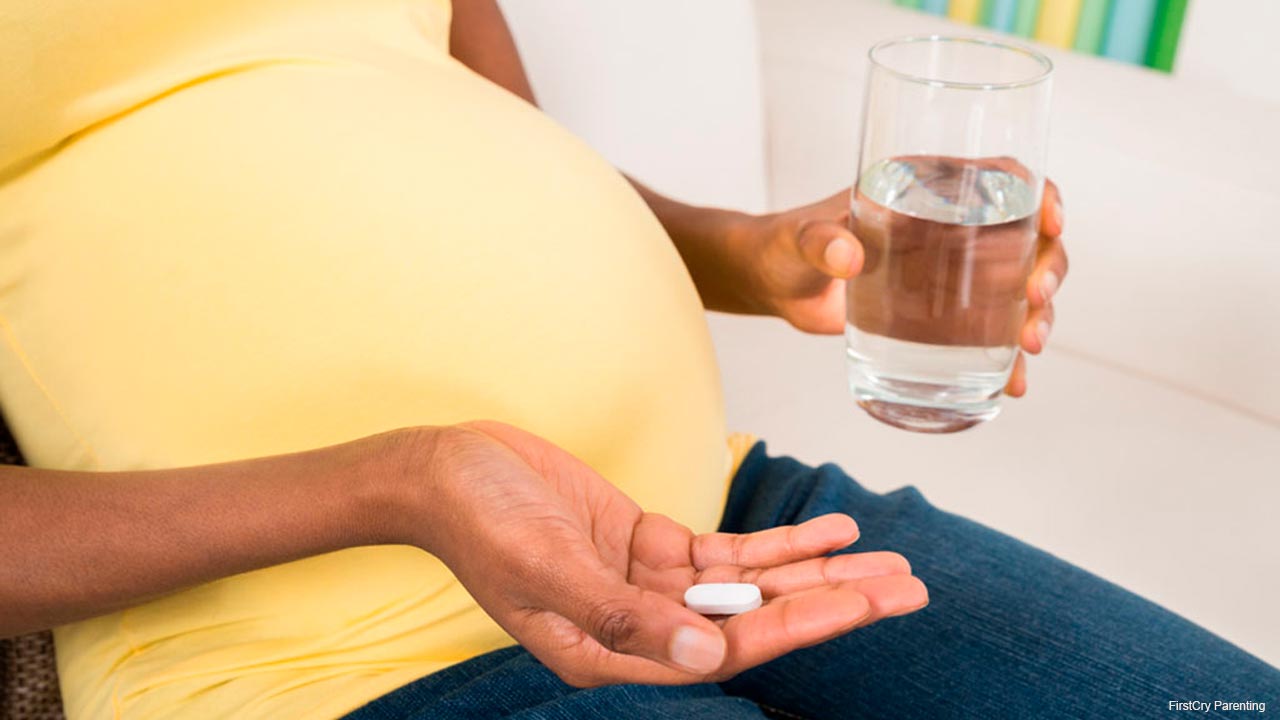
 During the pregnancy period, the body is exposed to a plethora of infections subsequently reducing the body’s immunity. These infections are otherwise treated with antibiotics but not in pregnant women’s cases because antibiotics can cause harmful effects in them. Let’s find out things that pregnant women should keep in mind before taking them.




Even for a mild cough and fever, we just pop the OTC medicine available into our mouth as if we are our own doctors. But can pregnant women also do the same? Can she have anything available without consulting a doctor? We have heard that pregnant women have to be very particular and can’t take anything without seeking medical advice as it can directly impact the fetus' health. Not only pregnant women but even breastfeeding women need to be very peculiar. And this is very much true also. Similarly, taking antibiotics during pregnancy is not at all safe. Let’s find out the things which pregnant women should keep in mind before taking them.
Antibiotic effect on pregnancy
Recently there has been a rise in consuming OTC medications among pregnant women which have resulted in several health issues for pregnant women as well as for growing fetus.
During pregnancy, an organ named the placenta develops in the uterus. The placenta is connected to the baby through the umbilical cord and through which a developing fetus receives oxygen, blood, and nutrients. The placenta also acts as a filter, but in some cases, the medicines or antibiotics consumed by pregnant women can pass through this filter and have severe harmful effects on the growth and development of the fetus.
Why pregnant women should avoid antibiotics?
During the pregnancy period, the body is exposed to a plethora of infections subsequently reducing the body’s immunity. These infections are otherwise treated with antibiotics but not in pregnant women’s cases. Although not all antibiotics are harmful to the developing baby yet women are still advised to consult a doctor before taking antibiotics.
-
There are certain antibiotics that can cause side effects in the growth and development of the baby like slower bone growth or stained teeth and side effects like nausea, diarrhea, or the mother may experience bloating.
-
Overdose of antibiotics can also lead to antibiotic resistance in the fetus/unborn baby. Thus, as the bacteria become resistant to the medicine, it gets harder to treat the infection.
Things need to keep in mind
- Always seek medical advice before consuming any medications or antibiotics.
- Try to avoid taking antibiotics in the first trimester of pregnancy.
- If at all you need to take antibiotics, go for the lowest dose.
- Don’t take medicines for silly things like cough and cold, instead try natural home remedies to treat these kinds of infections with steam inhalation, water gargles etc.
(Disclaimer: The content on this site is for informational purposes only, and should not be taken as professional medical advice. Always seek the guidance of your doctor or other health professionals for any questions you may have regarding your health or a medical condition.)




-23-300x250.png)

.jpeg)






.jpg)
.jpg)
.jpg)
.jpg)
.jpg)
.jpg)
.jpg)
.jpg)
.jpg)

