 Sunday, October 11, 2026
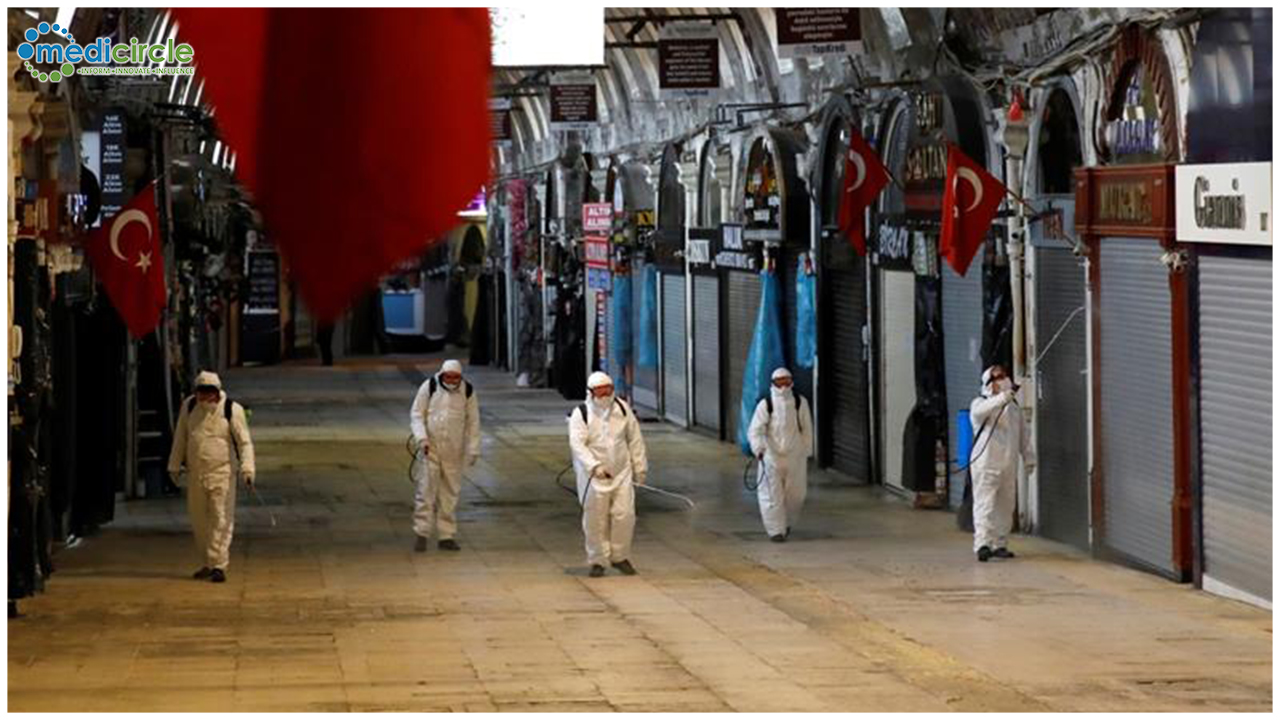
 As the bridge between Europe and Asia - the home of one of the largest, most highly-trafficked airports in the world, and a state bordering one of the original hot zones, Iran - the way in which we manage the COVID-19 outbreak matters to the global response.-Nail Olpak




A discussion as of late broke out via web-based networking media over the New York Times, CNN and the BBC including photographs of Turkey in their inclusion of the COVID-19 pandemic. The outlets distributed photos of notable Turkish milestones in a way that appeared to depict Turkey as a hotspot of the flare-up. The episode left individuals in Turkey scratching their heads because, at that point, we just had one affirmed instance of the infection and had started actualizing limitations to stem its spread.
Turkey merits discussing, be that as it may, because our reaction to the pandemic is important past our outskirts, significantly more so than some others. As the extension among Europe and Asia - the home of one of the biggest, most exceptionally dealt air terminals on the planet, and a state circumscribing one of the first hot zones, Iran - how we deal with the COVID-19 flare-up issues to the worldwide reaction.
We can't foresee the full degree to which COVID-19 will spread inside our fringes. Yet, luckily, Turkey started tending to the dangers early and keeping in mind that nobody was arranged for the episode, the speculations we've made in our social insurance foundation in the course of the most recent decade and past have limitlessly improved our ability to oversee it. In 2003, our nation experienced changes planned for making social insurance progressively open to a bigger portion of the populace. This included structure more clinics and growing the wellbeing workforce. Indeed, even before COVID-19 dominated, plans were in progress for 10 new medical clinics in the densest populace habitats in Turkey's enormous urban areas. Because of these speculations, Turkey's level of emergency unit beds per individual today is higher than most European nations, the United States and China. Social insurance in Turkey is likewise now widespread, which means every single Turkish occupant can get clinical administration gratis. Every one of these variables is helping us during this extraordinary worldwide emergency.
There is a great deal of worry across money related markets about the long haul monetary risk that COVID-19 stances. A few governments - Turkey's incorporated - are trying to get out before that harm. Not long after the infection hit Turkey, the administration deferred obligation installments and decreased expenses for 11 of our most significant divisions. The administration chose to furnish all organizations in the nation with a three-year term credit, with fixed financing cost and half year non-installment period.
From a private division perspective, organizations must keep up the energy they increased in the course of the most recent couple of years, instead of starting without any preparation or on the back foot in a while's time. With that in mind, there's been alleviation that the administration seems to have discovered a methodology that takes into consideration the required measures to secure general wellbeing while not suspending business. The Deputy Central Bank Governor even figure a high Q1 development rate despite the coronavirus, following solid patterns in January and February and an astonishing unfaltering quality in utilization levels found in March, and said he envisions that our economy will skip back generally rapidly given the powerful development we've encountered throughout the most recent two years. Organizations huge, medium and little in Turkey will be enthusiastically anticipating that "bob" period. For the time being, we as a whole should depend on each other's capable activities close by the administration's reaction to get us there as fast as could be expected under the circumstances.
This is the most uncommon circumstance humankind has looked in ages. Major worldwide urban communities and whole nations have closed down and individuals are in grave peril. Turkey is doing its part - in any event, closing down Istanbul's new air terminal to all business travel for a long time to come. With 90 million travelers going through on a yearly premise, this is a significant interruption in the progression of individuals and flights all around. In any case, right now, similar to that – which only weeks or months prior appeared to be unfathomable – are presently the main consistent activities.
At the point when this is all finished, we can come back to voyaging. We can proceed with the same old thing and return to our lives, changed however we as a whole might be. Up to that point, maybe when the papers share photographs of Turkey's COVID-19 experience, they'll likewise show our wellbeing laborers or the network individuals who are as a group leaving nourishment by the street for anybody in the local who may be short on the nuts and bolts. Perhaps they will delineate our neighborhood cops going to ATMs for old occupants to recover money for them. While no nation or human on Earth is safe to the coronavirus, the individuals who are adapting to the situation to do their part are making it workable for our reality to overcome this emergency. Those are the tales that should be told.





.jpeg)










.jpg)
.jpg)
.jpg)
.jpg)
.jpg)
.jpg)


.jpg)