 Wednesday, October 28, 2026
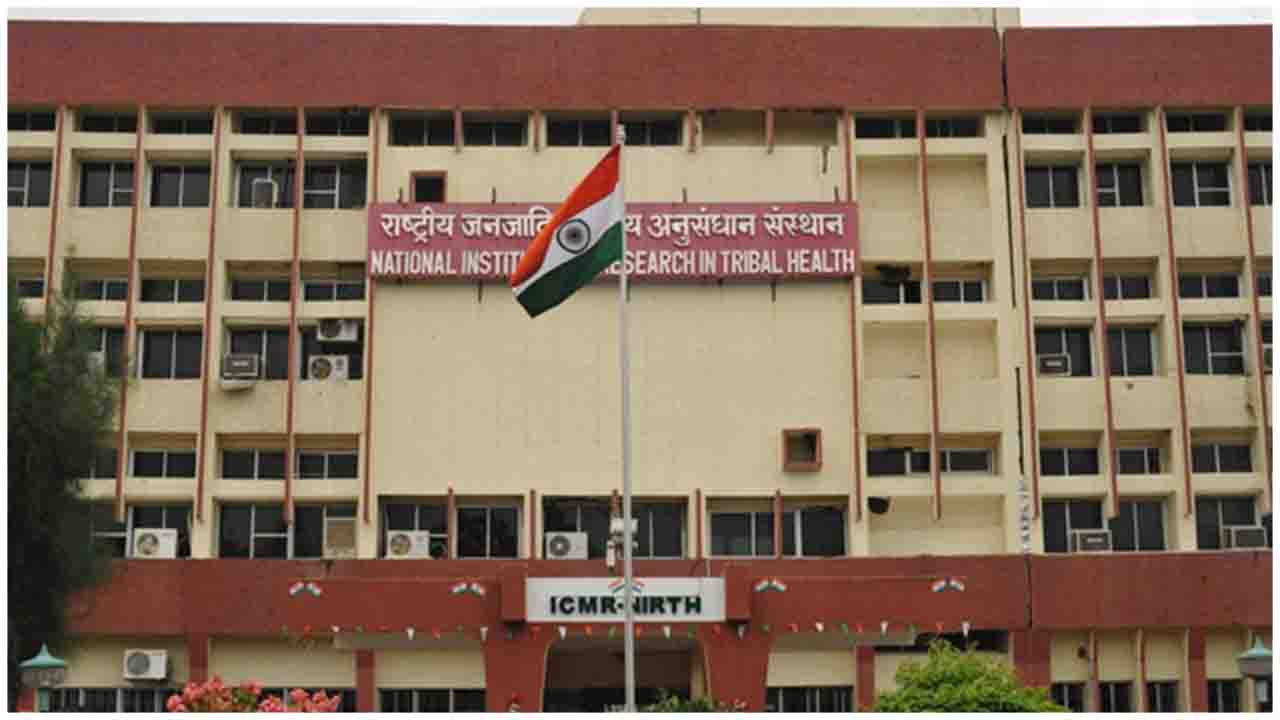
 ICMR revises it's testing strategy. Asymptomatic confirmed cases pose a high risk of infection to others.




On Monday ICMR said that returnees and migrants who show symptoms for influenza-like illness will be tested for coronavirus infection within seven days of ailment, after having revised its testing strategy.
It also stressed on the point that no emergency clinical procedure, including deliveries, should be delayed for lack of testing.
All hospitalized patients with symptoms of influenza-like illness and the frontline workers and medical staff working in containment zones will also be tested for the infection through the RT-PCR test.
Asymptomatic contacts of confirmed cases are being tested once between day five and day ten of coming in contact.
"The apex body for health research revised its strategy in view of a spurt in coronavirus cases in the country. The new strategy aims to contain the spread of infection more effectively and to provide a reliable diagnosis to all individuals meeting the inclusion criteria of Covid-19 testing.", an official said.
People who don’t show any symptoms of Coronavirus infection have no risk of losing their lives but pose a threat to others who come in contact with them and hence need to be quarantined as well.
"No emergency procedure (including deliveries) should be delayed for lack of test," the ICMR said, adding all testing in the categories is recommended by real-time RT-PCR test only.
People are being constantly advised to eat immunity booster foods and practice healthy eating habits and increase their immunity as much as possible.
India currently has 56,316 cases under active cases. So far, a total of 36,824 people have been cured of COVID-19. In the last 24 hours a total of 2,715 patients are reported cured. We have presently a recovery rate of 38.29%.In terms of confirmed cases per lakh population, India has so far about 7.1 cases per lakh population vis a vis approx. 60 cases per lakh population for the world as a whole.
Union Ministry of Health has issued new guidelines on 17.05.20 to the States for categorization of red/orange/green zones. As per these guidelines states have been asked to categorize districts/ municipal corporations, or if warranted subdivision/ ward or any other administrative unit as red/orange/green zone as per their field assessment. This has to be done based on multifactorial analysis on the combination of the parameters shared by MoHFW, which are namely, total active cases, active cases per lakh population, doubling rate(calculated over 7 days period), case fatality rate, testing ratio, and test confirmation rate. States have been asked to meticulously delineate the containment and buffer zones. States have been told to ensure stringent implementation of the containment plans in these containment zones. Further, around each containment zone, a Buffer zone has to be delineated so as to ensure that infection does not spread to the adjoining areas. In buffer zones, extensive surveillance for cases through monitoring ILI/SARI cases in health facilities has to be coordinated.




-23-300x250.png)

.jpeg)








.jpg)
.jpg)
.jpg)
.jpg)
.jpg)
.jpg)
.jpg)
.jpg)
.jpg)

