 Monday, October 05, 2026
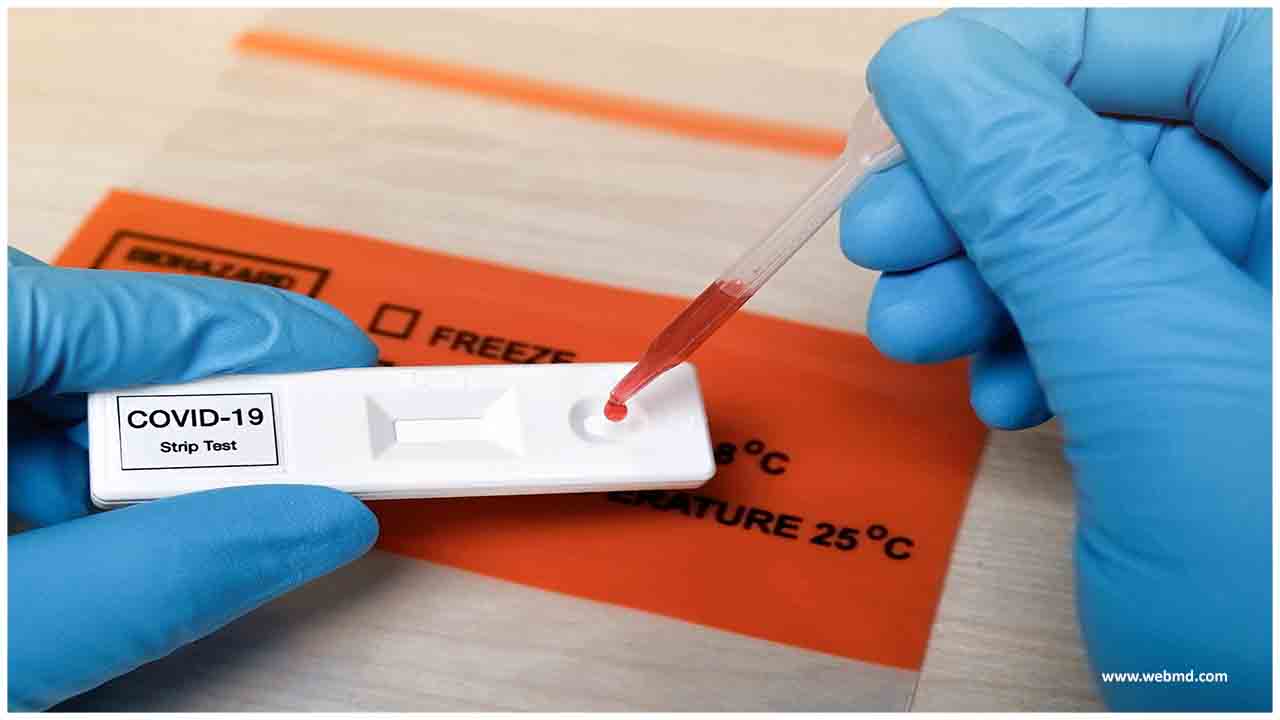
 In a individual study it can be understood that a body can resist or develop immunity against COVID-19 only for 6 months.




Resistance to reinfection from human coronaviruses may last just the most recent a half year, as per an examination from the University of Amsterdam.
It throws question over the reasonableness of presenting "insusceptibility visas", which a few governments need to issue to COVID-19 survivors on the supposition they can't be reinfected and are allowed to enable the economy to recover financially.
The examination observed 10 men more than 35 years to decide immune response levels following disease for any of the four regular human coronaviruses.
These men, at that point matured 27 to 40-year old, were tried at either three or a half year interims.
Specialists found that there was an "alarmingly brief length of defensive insusceptibility to coronaviruses" with researchers noticing "visit reinfections at a year post-disease and considerable decrease in counter acting agent levels when a half year post-contamination".
They focused on that the four strains of human coronaviruses are "naturally different" and "share little for all intents and purpose, aside from causing the normal virus".
"All things considered, they all appear to incite short-enduring invulnerability with fast loss of antibodies. This likely could be a general denominator for human coronaviruses.
"On the off chance that SARS-CoV-2 will act as an occasional coronavirus, later on, a comparable example might be normal," they went on.
They, therefore, cast slanders on the thought, coasted by certain legislatures, to present supposed "invulnerability international IDs" to individuals who contracted and recouped from the destructive COVID-19 infection that would permit them to travel and loosen up some social removing measures.
"As defensive invulnerability might be lost by a half year post-contamination, the possibility of arriving at utilitarian crowd resistance by normal disease appears to be far-fetched," they cautioned.
England's Health Secretary Matt Hancock reported a week ago that the legislature is dealing with an "arrangement of confirmations" to empower individuals who have recuperated to continue certain exercises.
He included that immune response tests that would convey brings about 20 minutes are at present being trialed on 4,000 patients and that they could be turned out across the nation if successful.
"It's that realizing you have these antibodies will assist us with seeing more later on the off chance that you are at lower danger of getting coronavirus, of biting the dust from coronavirus and of transmitting coronavirus," he said.
In Italy, a huge scope concentrate on the seroprevalence — the degree of a pathogen in the populace — of COVID-19 propelled on Monday.
The Ministry of Health and the Red Cross will test blood tests from 150,000 individuals from across 2,000 districts for antibodies.
Individuals with antibodies will be approached to submit to a COVID-19 nasal swab to decide if they at present have the infection and their degree of infectiousness.
There is right now no known treatment or remedy for the novel coronavirus, which has guaranteed in excess of 345,000 lives around the world, as indicated by a count by the Johns Hopkins University.
As per the World Health Organization (WHO), 10 applicant immunizations are as of now in clinical assessment and a further 114 are in the pre-clinical assessment.
The University of Oxford reported a week ago that it was moving into Phase II of its immunization and that in excess of 10,000 grown-ups and kids would be selected.





.jpeg)
.jpg)
.jpg)
.jpg)
.jpg)
.jpg)
.jpg)


.jpeg)
.jpeg)
.png)