 Friday, November 20, 2026
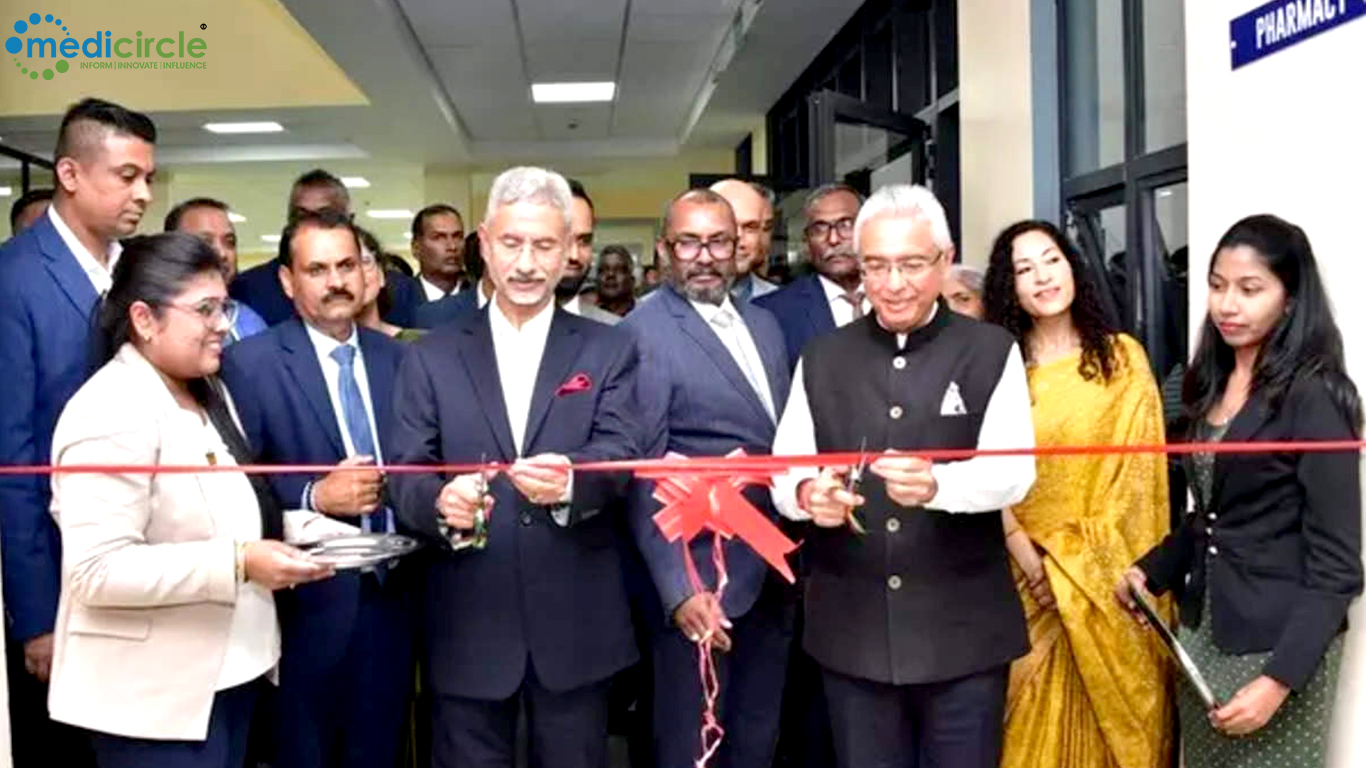
 By providing affordable, high-quality medicines, the initiative is set to improve public health in Mauritius. This project, alongside the Mediclinic in Grand Bois, exemplifies India’s commitment to global health and its dedication to strengthening bilateral ties with Mauritius.





India’s External Affairs Minister, S. Jaishankar, inaugurated the country's first overseas Jan Aushadi Kendra in Mauritius, marking a significant milestone in the healthcare partnership between the two nations. Mauritius Prime Minister Pravind Kumar Jugnauth also attended the event, highlighting the collaborative effort to improve public health.
A Step Towards Affordable Healthcare
The Jan Aushadi Kendra is part of a broader initiative to supply affordable, Made-in-India medicines to Mauritius. This effort aims to enhance public healthcare by providing cost-effective medical solutions, fulfilling a promise made by Indian Prime Minister Narendra Modi. The initiative aligns with India's commitment to promoting health and well-being on a global scale.
Official Visit and Inaugurations
During his two-day official visit, which began on Tuesday, Jaishankar not only inaugurated the Jan Aushadi Kendra but also opened the Mediclinic project in Grand Bois village. Funded with Indian assistance, this project will offer secondary healthcare to around 16,000 residents. The new clinic is expected to significantly improve healthcare access and quality in the region.
Commitment to People-Centric Policies
Jaishankar emphasized India’s dedication to people-centric policies under PM Modi’s leadership. He highlighted the importance of health as a fundamental right and priority for all citizens. "Sometimes, there can be small steps, little projects, but to the community, they can make a very big difference. In this community, for example, its entire health needs will change after this clinic comes up," he remarked.
Strengthening Bilateral Ties
The inauguration of the Jan Aushadi Kendra and the Mediclinic project represents a deepening of the strategic partnership between India and Mauritius. These initiatives reflect India’s broader vision of enhancing international cooperation in healthcare and other sectors. The move is seen as a testament to the strong and growing ties between the two countries.
Impact on Public Health
The Jan Aushadi Kendra will provide high-quality, affordable medicines to the people of Mauritius. This initiative is expected to improve access to essential medicines and healthcare services, especially for those who may not afford expensive treatments. By reducing the cost of medicines, the project aims to ensure that everyone in Mauritius can benefit from necessary healthcare services.
Looking ahead, the success of the Jan Aushadi Kendra in Mauritius could lead the way for similar projects in other countries. India’s commitment to global health initiatives is likely to continue growing, with potential for expanding the Jan Aushadi network internationally. Such efforts will not only enhance India's global standing but also contribute significantly to global health and well-being.
The inauguration of India’s first overseas Jan Aushadi Kendra in Mauritius marks a significant achievement in international healthcare collaboration. By providing affordable, high-quality medicines, the initiative is set to improve public health in Mauritius. This project, alongside the Mediclinic in Grand Bois, exemplifies India’s commitment to global health and its dedication to strengthening bilateral ties with Mauritius. As these initiatives take root, they promise to bring lasting benefits to the communities they serve, highlighting the profound impact of cooperative healthcare efforts.




-23-300x250.png)





















