 Saturday, October 10, 2026
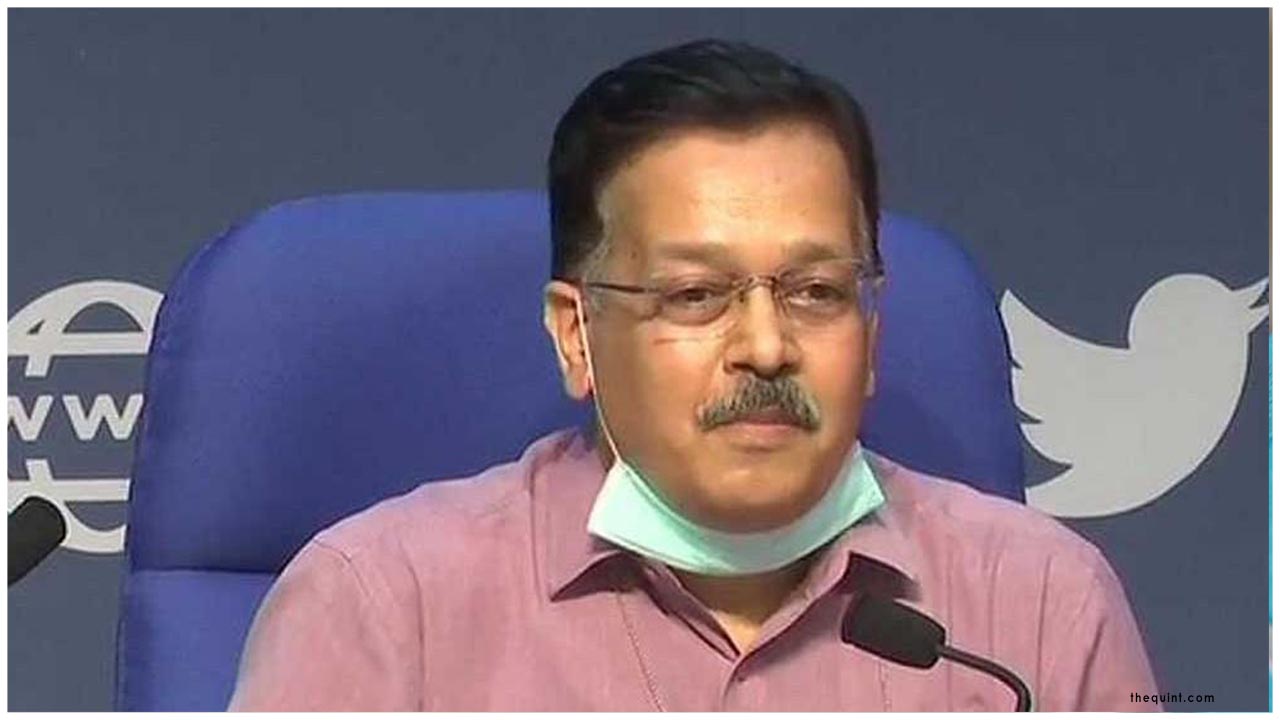
 Health Ministry confirmed, India retains the position of highest number of COVID- 19 recoveries





India retains the position of highest number of COVID-19 recoveries with more than 67 lakh recoveries so far. Country’s Cumulative positivity rate remains below 8% in spite of high number of COVID tests conducted (9.6 Crore tests so far). As of now only 9.8% of the total COVID cases reported are active. Daily Positivity Rate is 4.5% and shows a consistent declining trend. Secretary, Ministry of Health and Family Welfare, Shri Rajesh Bhushan stated this during the weekly media briefing on the actions taken, preparedness and updates on COVID-19, held at National Media Centre, New Delhi yesterday.
Shri Bhushan further informed that India’s cases per million population is 310 whereas world average is 315. Second Surge of COVID cases is seen in many countries like Spain, America, UK and France. India still accounts for low deaths per million – at 83 whereas the world average is 142.
Recovery rate is continuously increasing from around 76% during first week of September to more than 86% as on 20th October. On the other hand, active cases have come down from 7.85 lakhs to 7.45 lakhs. In a similar trend, daily new cases have come down from over 69,000 in September to around 46,000 in October. Since 29 July, that is after 84 days, new cases recorded in last 24 hours are less than 50,000.
Three states, Maharashtra (23.8%), Karnataka (14.19%) and Kerala (12.40%) account for around 50% of the active cases in the county. Tamil Nadu (5.09%), Andhra Pradesh (4.68%) and West Bengal (4.62%) are in successive positions and together account for around 14% of the active cases. Mumbai, Pune, Thane, Nagpur and Ahmednagar are the top five (most affected) districts in Maharashtra.
While talking about the medical oxygen availability in Heathcare Facilities across the country, he informed that government has taken various proactive steps to ensure adequate supply of medical oxygen.
“Government believes in proactive and graded response to the pandemic to augment oxygen supply and we are in an extremely comfortable position when it comes to supply of medical oxygen,” he stated.
While presenting the weekly data of oxygen supply at national level, he informed that, “there were around 43,022 patients on oxygen support as on 1st September, 2020. The number of patients on Oxygen support has increased from 43,000 to 75000 in the third week of September. As of now, there are 57000 patients on oxygen support. There was neither any shortage of medical oxygen in the country during last 10 months nor any shortage being faced now.”
Reiterating this fact he mentioned that in spite of daily consumption of oxygen, the oxygen supply has been in surplus. Peak consumption of medical oxygen of 2791 MT/day was during 9 to 15 September which has come down to 2503MT/day during second week of October. Now, there is a surplus of 17,103 MT.
He also spoke about various steps taken - infrastructure augmentation, ensuring un-interrupted oxygen supply, monitoring and co-ordination with state governments and proactive interventions.
“Oxygen-supported beds in the country have been increased from around 93,000 in April 2020 to more than 3,80,000 beds (O2 supported beds, ICU beds + Ventilator beds). Similarly oxygen production capacity has been enhanced from 5913 MT in April 2020 to 6862 MT in September 2020 (7191 MT by the end of Oct, 2020).
Stating this, Shri. Bhushan appreciated the efforts of various ministries in coming together to enhance medical oxygen supply in the country. “Department for Promotion of Industry and Internal Trade, M/o Steel and M/o Health & Family Welfare have jointly made this effort that resulted in increasing oxygen production. Also, the government is working towards installing more cryogenic tanks in hospitals and health care centres which will create a storage capacity of 7438 MT with the installation of 775 tanks.
He also highlighted various facilities provided to states in oxygen inventory management; Oxygen Monitoring Committee will be formed to supervise inventory planning, oxygen consumptions. District Magistrate assisted by Chief Medical Officer will monitor the consumption in a district on a weekly basis. “Home Ministry’s directions allowed 24 hours movement of Medical Oxygen between State & UTs. Central Control Rooms operate to monitor efficient and adequate availability of medical oxygen in States/UTs”, he said
“As a proactive intervention, the Government is planning to install PSA oxygen generating plants in more than 390 hospitals across the country. In addition to this import of one lakh MT Liquid Medical Oxygen has also been initiated to address any anticipated surge in COVID- 19 cases,” he stated
In reply to a media query on central teams being sent to states across the country, Joint Secretary, M/o Health & Welfare said that, “Central teams have been sent to seven states, so far: Karnataka, Kerala, Rajasthan, West Bengal, Chhattisgarh, Bihar & Ladakh. The teams will coordinate with these states/UTs for surveillance, containment, infection prevention control and clinical management.”






.jpeg)










.jpg)
.jpg)
.jpg)
.jpg)
.jpg)
.jpg)


.jpg)