Wednesday, September 30, 2026
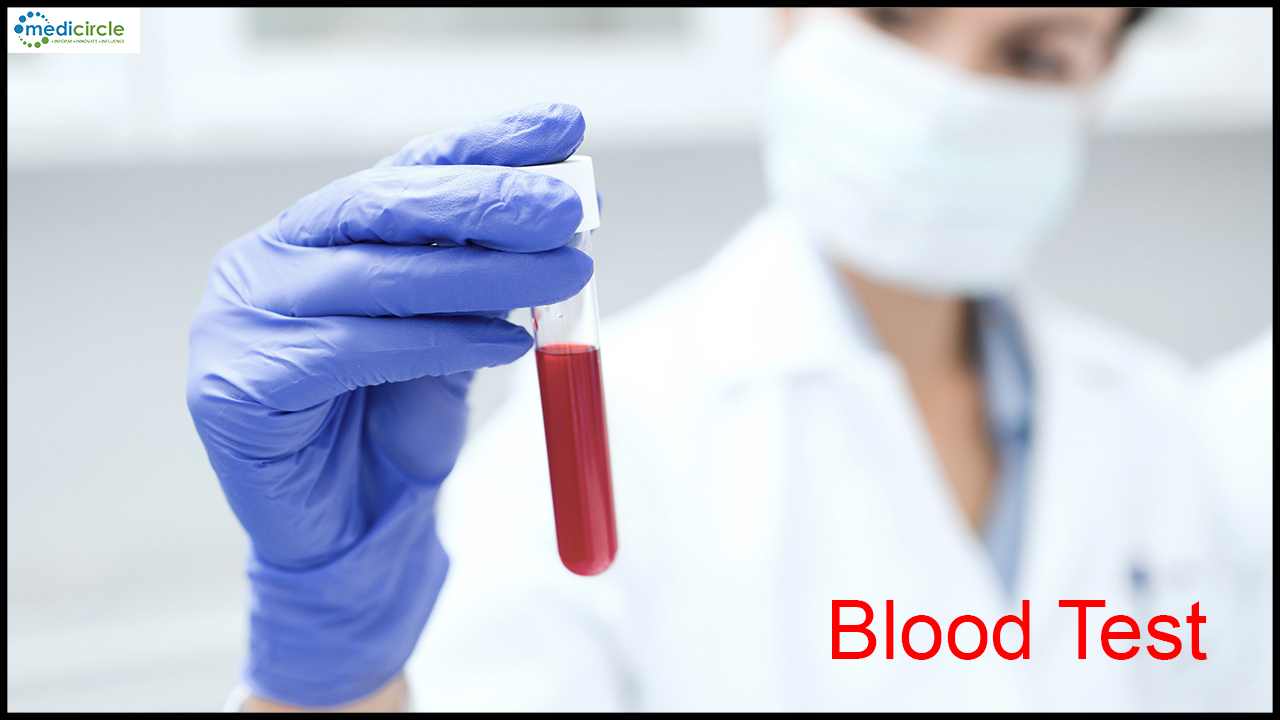
 The new study by Datar Cancer Genetics detects clusters of tumor cells circulating in the bloodstream and helps in early detection of cancer





A new study by scientists from India, USA, and UK has presented clinical evidence for an innovative test that can detect clusters of cancer cells in the blood of asymptomatic individuals as a non-invasive screening and diagnostic test. The test could make cancer screening easier, efficient and affordable, and can potentially be a breakthrough in cancer detection and diagnosis. The test will soon be available commercially.
Commenting on the study, principal author Dr. Dadasaheb Akolkar, who is the Research Director at Datar Cancer Genetics, said, "This is the first study of its kind to investigate the prevalence of circulating tumour emboli or C-ETACs (Circulating Ensembles of tumour-associated Cells), in a population size cohort of over 16,000 participants, to establish a definitive new systemic hallmark of cancer. The technique we have used is a breakthrough innovation. When clusters of cells break off from an early-stage tumour and enter the bloodstream we can efficiently and accurately isolate a few hundred malignant cells from more than 100 million cells, from just 10 ml of blood. While almost all the cancer samples had these cell clusters, they were seen in very few of the samples which were apparently without cancer."
Speaking on the breakthrough study and technique, Mr. Rajan Datar, Chairman and Managing Director, Datar Cancer Genetics, said, "Cancer is rapidly becoming a civilizational challenge. Importantly, cancer deaths are mainly due to late detection. We believe that this innovative blood-based test is a breakthrough in cancer screening and will impact outcomes by easy, patient-friendly detection and diagnosis in apparently healthy people who may have a silent malignancy in their bodies! It has the potential to eliminate the need for invasive biopsies and the risks associated with it. In the near future, a simple, inexpensive blood test that could be all that is required to reliably detect and diagnose cancer, even before any symptoms are seen."
The study involved 16,134 participants, including 5,509 patients with cancer (TrueBlood study) and 10,625 individuals with no symptoms (RESOLUTE study) and the test has shown an accuracy of more than 94%. The C-ETACs were seen in 89.8% of cancer cases and in only 3% of apparently healthy, asymptomatic individuals who had no abnormal findings in presently used screening tests. The study was the largest of its kind in the world.
Datar Cancer Genetics also presented further data at several leading international conferences including AACR, ASCO and ESMO
Early detection of cancer is crucial but challenging, because of the lack of efficient and reliable screening methods. Most of the commercially available cancer-screening tests are invasive and expensive. Also, currently available cancer screening techniques such as mammograms and low-dose CT scans (LDCT) carry radiation risks, colonoscopies are invasive, blood based markers are non-specific and tissue biopsies for diagnosis have the same risks as general surgical procedures.
Datar Cancer Genetics is a world leading CAP and CLIA accredited cancer Solutions Company developing non-invasive tests for better cancer management.





.jpeg)






.png)

.jpg)
.jpg)
.jpg)




.jpg)
.jpg)
.jpg)
.jpg)