 Monday, October 12, 2026
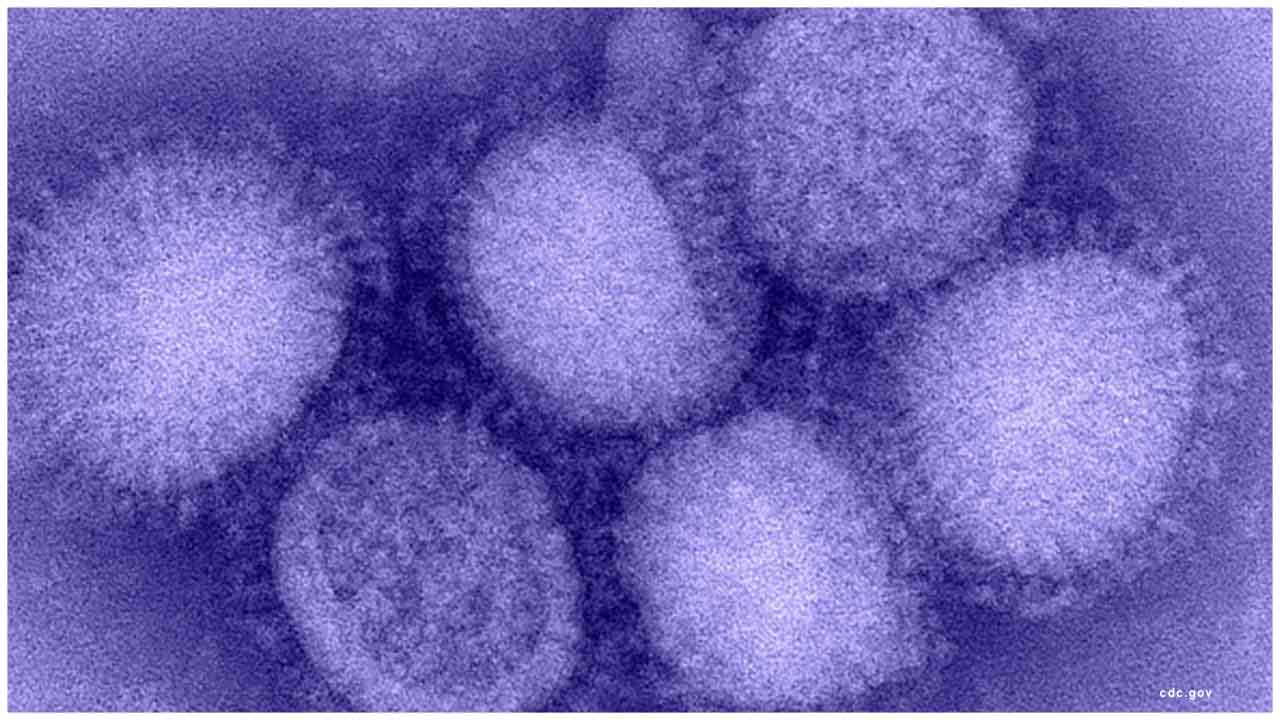
 Influenza epidemics are a familiar annual occurrence, what is new in 2020 is the COVID-19 pandemic. Many health systems are already stretched to their limits and have no spare time or capacity to deal with influenza.




Influenza epidemics are a familiar annual occurrence, what is new in 2020 is the COVID-19 pandemic. Many health systems are already stretched to their limits and have no spare time or capacity to deal with influenza. The two diseases can be difficult to distinguish from their symptoms alone, and require a laboratory test. The consequences of being infected with influenza and COVID-19 at the same time are not yet clear but the importance of preventing influenza infection is a certainty, this year more than ever. The most effective way to avoid influenza infection is through vaccination.
Safe delivery of influenza vaccination
“Making sure people are vaccinated safely is a significant concern this influenza season,” explains Dr Richard Pebody, who leads the High-threat Pathogen team at WHO/Europe.
“Various safe delivery options can be considered by countries, from drive-through vaccination to mobile clinics. It’s important to ensure people keep their distance while waiting for immunization, as well as encouraging mask wearing and providing access to hand-washing or sanitizing facilities.”
Health workers and older people to be prioritized for influenza vaccination
To help countries make sure the vaccine is given to those who need it most, WHO’s Strategic Advisory Group of Experts (SAGE) has recommended prioritizing groups for immunization in countries where influenza vaccine supplies are limited.
Health workers are at increased risk of influenza infection and need to be protected. Vaccination against influenza not only protects the health workers but also their families and their patients, who are often vulnerable. This important workforce includes care workers, in hospitals and long-term care facilities such as nursing homes, and also the community. Vaccination also helps to reduce sick days, which is especially important during a pandemic to ensure health service resilience.
This winter, older adults face a double risk of COVID-19 and influenza, both of which are more severe in people who are over 65. Priority should be given to older adults including those living in long-term care facilities, in day-care hospitals or receiving home-care.
Pregnant women, individuals with chronic health conditions and children under 5 years of age continue to be important target groups for influenza vaccination and should be offered vaccination where supplies permit, according to national policies.
Flu Awareness Campaign launches
The Flu Awareness Campaign launches across the WHO European Region on 5 October, supporting influenza vaccination promotion in countries and ensuring that people across the Region take informed decisions on remaining uninfected with influenza. This year the campaign focusses particularly on promoting vaccination to the highest priority groups – health-care workers and older people – as well as promoting other interventions such as hand and respiratory hygiene.





.jpeg)










.jpg)
.jpg)
.jpg)
.jpg)
.jpg)
.jpg)


.jpg)