 Saturday, October 10, 2026
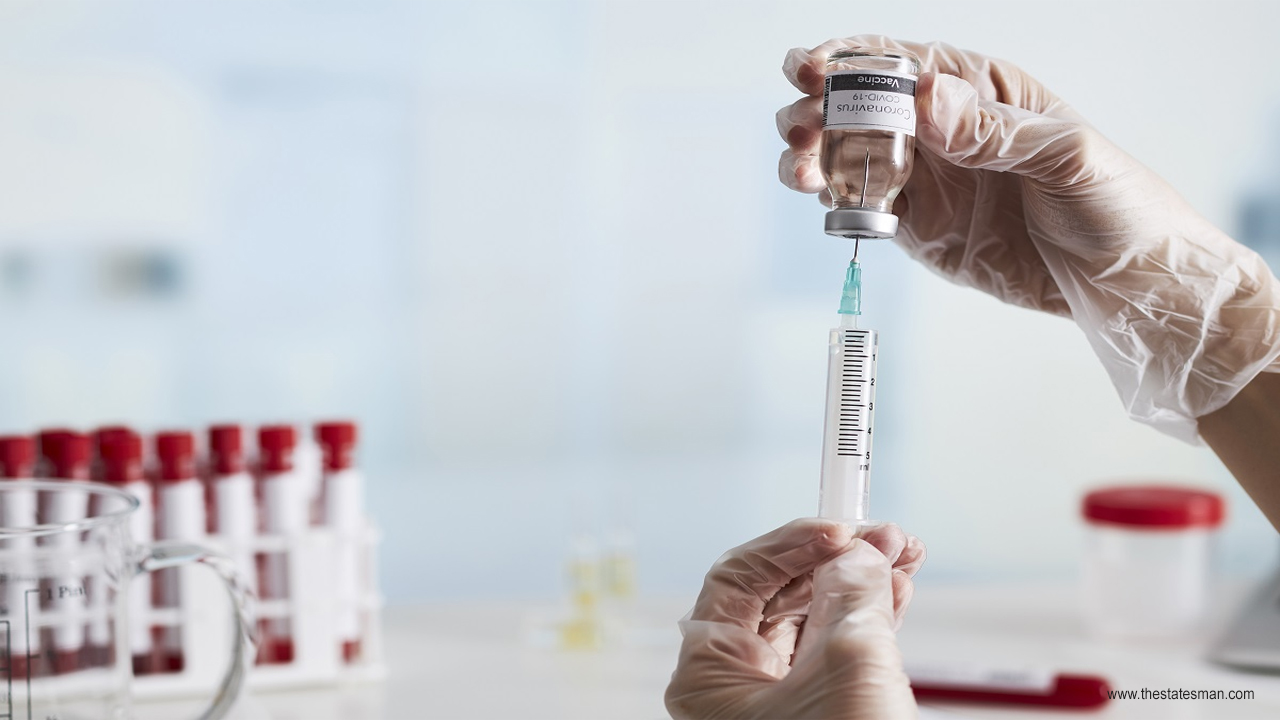
 In many countries there is currently great excitement about the potential initiation of vaccination programs to people at risk and the general population.




The SARS-CoV-2 pandemic continues to have a considerable impact on the provision of appropriate care to people with psoriasis. In many countries there is currently great excitement about the potential initiation of vaccination programs to people at risk and the general population. While this news is to be welcomed, the impact of psoriasis therapy, particularly systemic therapy, on the effectiveness and safety of vaccines needs to be considered.
The International Psoriasis Council (IPC) advises physicians and other healthcare practitioners to take into account the following:
- The principal considerations for SARS-CoV-2 vaccines are the same as for any vaccine: Avoid live-attenuated vaccines if receiving an immunosuppressive/immunomodulatory medication and be aware that the effectiveness of vaccination may be attenuated in people taking drugs that affect the immune system.
- Currently the three vaccines closest to use at a population level are either RNA-based (Pfizer/BioNTech, Moderna) or based on replication deficient virus (Oxford/AstraZeneca). Thus, they are not live attenuated vaccines.
- We anticipate that most patients with psoriasis who do not have a contraindication or a known allergy to a vaccine component will be recommended to receive one of these SARS-CoV-2 vaccines as soon as possible based on local availability and guidance from local public health bodies.
- Trials to date have not included people taking drugs that affect the immune system and thus the effects of the vaccines in this specific population will need to be established.
- Many people with psoriasis have raised concerns about potential adverse effects of vaccines on their skin disease. However, there is no evidence that vaccines affect psoriasis onset or severity. Registry data should be collected to inform whether SARS-Cov-2 vaccines either positively or negatively affect psoriasis outcomes.
- It is important that all people with psoriasis have access to adequate care. This includes access to SARS-CoV-2 vaccines.
The IPC will continue to provide updates to the global dermatology community as we learn more about SARS-CoV-2, vaccines and their impact on psoriasis.
For the latest information on the coronavirus (COVID-19) outbreak, including prevention and signs and symptoms of the disease, refer to the World Health Organization (WHO) website.
About International Psoriasis Council
The International Psoriasis Council is a dermatologist-led global organization with a network of more than 100 psoriasis experts dedicated to improving the health of people with psoriasis. IPC helps psoriasis patients get better care and treatment by conducting research into the disease and providing health care professionals with resources and education to best manage their patients with psoriasis.





.jpeg)










.jpg)
.jpg)
.jpg)
.jpg)
.jpg)
.jpg)


.jpg)