 Thursday, October 08, 2026
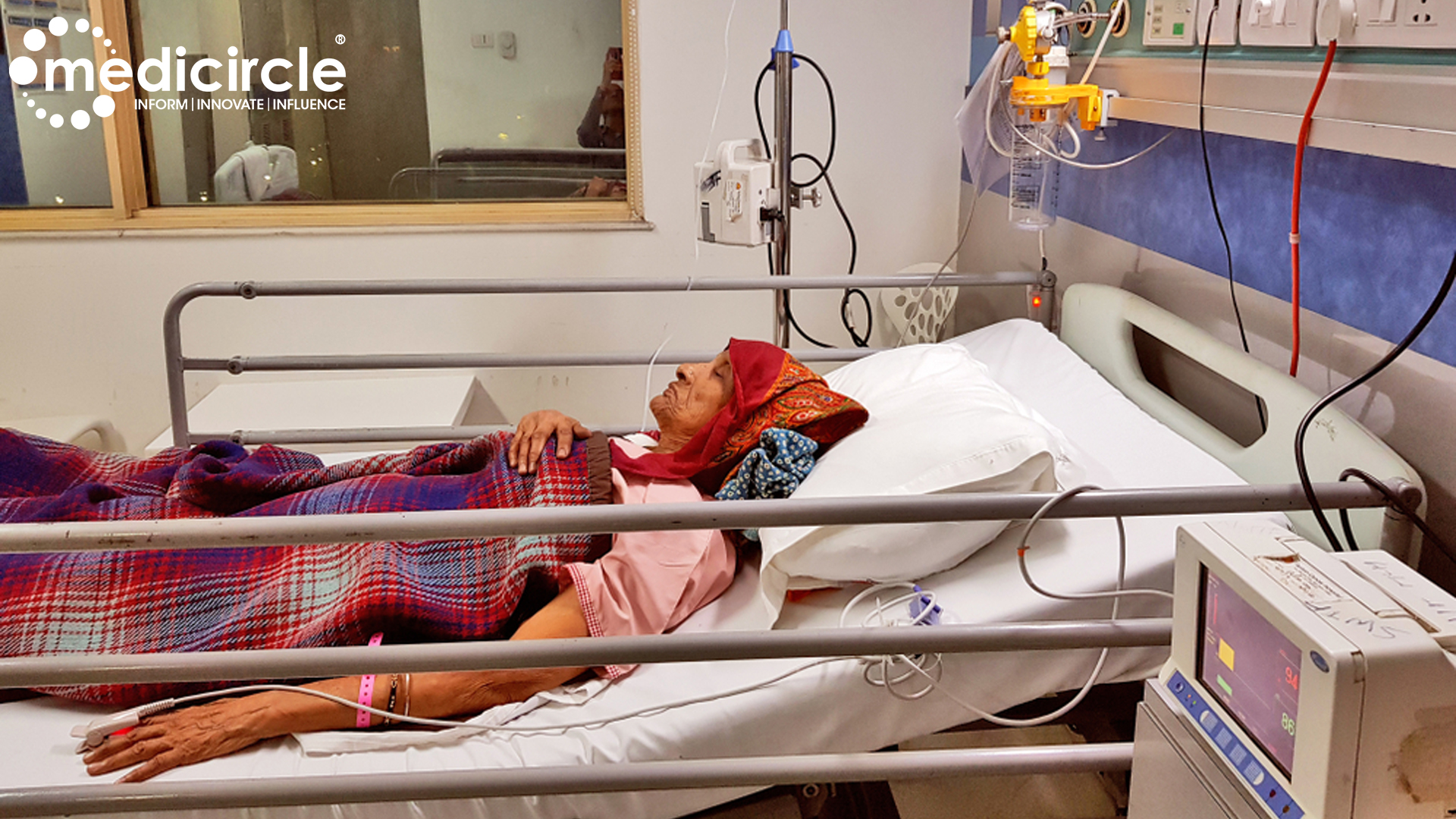
 The report emphasizes the critical need for preventive health measures to combat conditions like cancer, diabetes, hypertension, cardiovascular diseases, and mental health disorders, which collectively pose a significant threat to the nation’s health.




India is on the verge of being labelled has the “cancer capital of the world” due to its alarming surge in cancer cases. With cancer rates soaring higher than global averages, India faces a daunting challenge in combating this deadly disease. The pervasive impact of cancer on the nation’s health is highlighted by Apollo Hospitals in its fourth annual report, “Health of Nation,” which sheds light on the escalating prevalence of Non-Communicable Diseases (NCDs) across the country.
The report emphasizes the critical need for preventive health measures to combat conditions like cancer, diabetes, hypertension, cardiovascular diseases, and mental health disorders, which collectively pose a significant threat to the nation’s health.
Rising Non-Communicable Diseases (NCDs) in India: The “Health of Nation” report Highlights the alarming increase in NCDs across India, with a particular focus on the surge in cancer cases, positioning India as the “cancer capital of the world” compared to global rates. The report also predicts a potential rise in healthcare burdens due to conditions such as pre-diabetes, prehypertension, and mental health disorders manifesting at younger ages.
Importance of Preventive Health Screenings: Highlighting the crucial role of regular health screenings, the report explains their effectiveness in reducing Blood Pressure (BP) and body mass index (BMI), thereby reducing the risk of cardiac-related ailments. Apollo’s data also reveals a positive trend, indicating an increasing preference for comprehensive health checks among individuals in India, signalling a proactive approach towards safeguarding personal health and wellness.
Insights from Apollo Leadership: Dr. Preetha Reddy, Vice Chairperson of Apollo Hospitals, stresses the urgent need for interventions to combat the growing epidemic of NCDs. She emphasizes the significance of educating the public and implementing personalized preventive healthcare solutions to address health challenges effectively.
Dr. Madhu Sasidhar, President and CEO of Apollo Hospitals, discusses the profound impact of NCDs on global health and emphasizes the importance of innovation in preventive healthcare. He highlights Apollo’s commitment to leveraging technology to enhance disease prevention, improve diagnostic accuracy, and deliver patient-centric treatment methodologies.
Digital Health Risk Assessment Tool: To empower Indians with actionable health insights, Apollo Hospitals has introduced ‘ProHealth Score’, a digital health risk assessment tool. This free tool evaluates key health factors like family history, lifestyle, and symptoms to generate a personalized numeric health status indicator. ProHealth Score also offers tailored recommendations for lifestyle improvements based on individual health profiles.
Dr. Sathya Sriram, Chief Executive Officer of Apollo Preventive Health, elaborates on the ProHealth Score’s role in raising awareness and advocating for proactive health measures. The tool enables individuals to make informed decisions about their health by providing personalized health assessments and guiding lifestyle shifts.
Prioritizing Preventive Healthcare: The report highlights the surge in cancer cases in India, surpassing global rates and identifying common cancers like breast, cervix, ovarian cancer among women, and lung, mouth, prostate cancer among men. Despite the lower median age for cancer diagnosis in India, cancer screening rates remain critically low. Proactive interventions, education, and personalized healthcare solutions are essential to address the challenges posed by NCDs effectively.





.jpeg)








.jpg)
.jpg)
.jpg)
.jpg)
.jpg)
.jpg)


.jpg)
.jpg)
.jpg)