Kolkata Toxic Garlic Trade gets hit with Coronavirus

▴ Kolkata Toxic Garlic Trade gets hit with Coronavirus
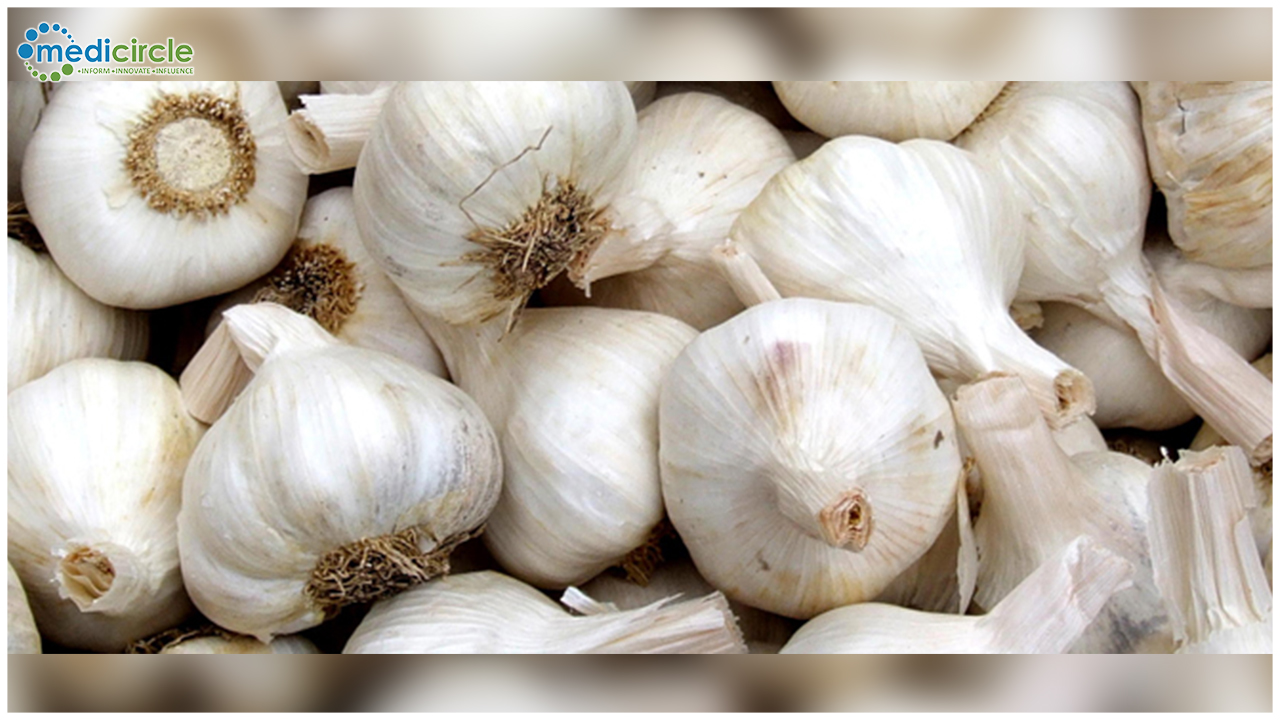
Kolkata Toxic Garlic Trade gets hit with Coronavirus scare: Laced with Methyl Bromide and bleached in Chlorine, Chinese garlic is potently carcinogenic

Though the ban on Chinese garlic is on for the last 5 years, till recently it was finding it's a way through grey channels to most of the Kolkatavendors. Chinese garlic is bigger and better looking than the Indian ones with larger pods that are easier to peel. But the wow factor comes with a price !

The Chinese garlic is bleached in Chlorine to make it white while sprayed with a fungicide containing methyl bromide. Both the chemicals are known to disrupt normal metabolism and result in severe stomach problems. Prolonged use may lead to cancer or other nerve diseases. Experts are also worried about the hormonal treatments done on garlic for the modified breed which may also have an adverse effect like hormonal imbalance and inflammation of kidney and UTI. Meanwhile, research says Chinese garlic varieties do not possess the same beneficial substances, mainly Allicin which makes garlic a wonder spice.

Till the supply was hit most of the consumers were blissfully unaware of the origin of the product and generally preferred the Chinese variety over the regular ones. With Coronavirus threat and abundance of local supply, most of the vendors have stopped stocking the chinese variety which led to the revelation. Garlic has been used as a medicine and flavoring agent all over the world for thousands of years. Records indicate that garlic was in use when the Giza pyramids were built, about 5,000 years ago.


Tags : #Chinesegarlic #Toxic #Kolkata #China

About the Author


Team Medicircle

Related Stories

Loading Please wait...

-Advertisements-


Trending Now

Why Modern Lifestyle Causes Chronic InflammationAugust 05, 2026
Endometriosis Awareness: Understanding the Silent Condition Affecting Millions of Indian WomenAugust 05, 2026
A Complete Guide to Pregnancy Health Tips for Indian Women: Nutrition, Wellness, and What Every Expectant Mother Should KnowAugust 05, 2026
Why Preventive Healthcare for Children Is One of the Most Important Investments India Can MakeAugust 04, 2026
The Role of Pathology in Healthcare: From Diagnosis to Disease PreventionAugust 04, 2026
Pathophysiology of Psoriatic Arthritis: Clinical Presentation, Joint Damage Mitigation, and BiologicsAugust 04, 2026
Comprehensive Evaluation of Syncope: Cardiac vs. Neurological Origin WorkupsAugust 04, 2026
Common Medical Terms Explained: A Plain-Language Guide for Indian Patients and Healthcare SeekersAugust 03, 2026
Why Radiology Is the Backbone of Modern Medical Diagnosis and TreatmentAugust 03, 2026
Managing Urban Stress: Science-Backed Strategies for Mental Resilience in 2026 August 01, 2026
Managing Chronic Inflammation: The Role of Anti-Inflammatory Indian SuperfoodsAugust 01, 2026
Pathophysiology of Psoriatic Arthritis: Clinical Presentation, Joint Damage Mitigation, and BiologicsAugust 01, 2026
Early Markers of Glaucoma: Structural vs. Functional Ophthalmic Diagnostic ProtocolsAugust 01, 2026
Managing Complex Diabetic Foot Ulcers: Multidisciplinary Wound Care, Offloading, and RevascularizationAugust 01, 2026
The Future of Preventive Medicine: How India Is Moving From Cure to PreventionAugust 01, 2026
Why Young Indians Are Facing Heart Problems: Causes, Symptoms, and PreventionAugust 01, 2026
The Future of Preventive Screening: AI-Driven Early Cancer Detection in IndiaJuly 31, 2026
The Impact of Climate Change on Allergic Respiratory Diseases in Indian Cities July 31, 2026
Electronic Medical Records: What They Are, Why They Matter, and How India Is Embracing ThemJuly 31, 2026
Heatwave Health Risks in India: Symptoms, Treatment, and Prevention StrategiesJuly 31, 2026