 Thursday, October 08, 2026
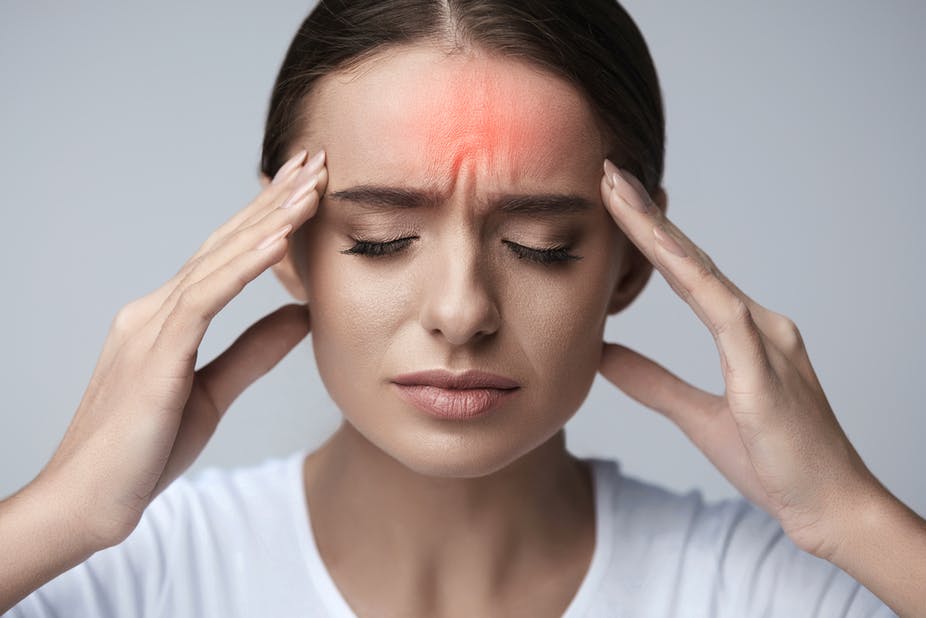
 There are different types of headaches with unknown causes. It is important to find out the type to get the right treatment”




Nearly 50% of adults worldwide are affected by headaches. These are usually primary headaches as they are not due to any injury. Only a small fraction of headaches can be serious. Primary headache causes pain only on the left side. However, some of them may be caused due to serious underlying conditions.
Types
Migraines – Migraines can cause headaches on the left side. These are characterized by severe pain on one side of the head. Pain may begin with the eye and move across the head. If it is a migraine, symptoms like vision change, nausea, vomiting, dizziness, sensitivity to sound light, will accompany it. Migraine typically lasts for 72 hours and a person needs to lie down. The exact reason for migraines is not known. But it is thought to be related to brain function. These can get triggered by – stress, loud noise, the smell of perfume, sleeping too much or too little.
Tension headache – These are less severe than migraines. They may occur on either side, so could be a reason for headache. Pain starts from the back part of the head and spread across the forehead. This pain is often worse at night. These are mainly due to muscle tension and get triggered by stress, neck injury, poor posture.
Cluster headaches – These are extremely painful and are basically on one side of the head. This includes symptoms – pain becoming intense after 5 to 10 minutes, the pain lasts for 30 to 60 minutes, blocked nose, redness and watery eyes, drooping eyelid. The real reason behind this headache is unknown. But it is believed to be linked with the hypothalamus of the brain. These headaches occur at a similar time every day.
Headache due to underlying condition – These include injuries, blood vessel issues, or inflammatory diseases.
Most of the headaches can be treated with painkillers. Medicines available over the counter like ibuprofen and aspirin. The doctor can prescribe a stronger pain killer when migraine and tension headache gets severe. Cluster headache can be treated with oxygen inhalation treatment.
Lifestyle changes play a very major role in managing primary headache –
Yoga helps to relax the body and mind. This may reduce migraine and tension headaches.
Foods like caffeine, alcohol and cheese should be avoided.
If a person experiences symptoms of a serious underlying condition, they should immediately consult a doctor. These symptoms include - blurred vision, fever and sweats. However, it is also important to consult the doctor in case –
a person feels a significant change in the pattern of headache headache slowly gets worsen unable to manage daily routine because of headache if headache develops after 50 years of age if it changes the person's personality





.jpeg)








.jpg)
.jpg)
.jpg)
.jpg)
.jpg)
.jpg)


.jpg)
.jpg)
.jpg)