 Sunday, October 11, 2026
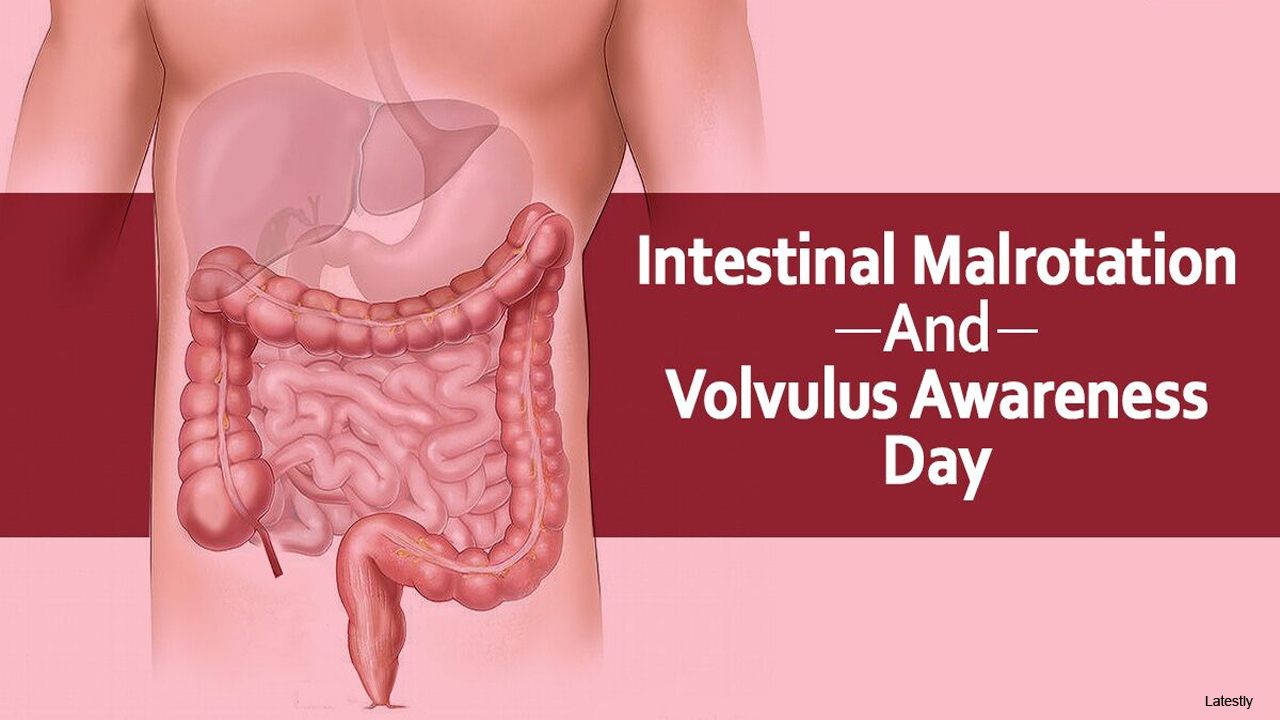
 Intestinal volvulus is a condition wherein the inside gets curved, which might be the aftereffect of malrotation.




Intestinal malrotation is a condition that is intrinsic (present upon entering the world) and results from an issue in the ordinary development of the fetal digestion tracts. There is a disturbance in the typical advances that the digestive organs follow to show up at the right situation inside the mid-region. Malrotation makes the pieces of the digestive system get comfortable with some unacceptable piece of the midsection, which can make them become impeded or to contort.
Intestinal volvulus is a condition wherein the inside gets curved, which might be the aftereffect of malrotation. Twisted digestive organs may get impeded (discouraged) or may become harmed when the bending cuts off the digestive tract's blood supply.
On the off chance that the blood supply is cut off for a drawn-out period, a few or the entirety of the digestive tract may die, which can be lethal. Volvulus is subsequently a crisis that requires prompt careful treatment.
Malrotation of the entrail during fetal improvement may incline babies to volvulus, despite the fact that volvulus can happen without malrotation. Volvulus related with malrotation regularly happens from the get-go throughout everyday life, often in the primary year.
Symptoms
Indications of volvulus grow rapidly and are for the most part sensational enough that babies are taken ahead of schedule to the trauma center, which can be basic for endurance.
- Abdominal delicacy or expansion (expanding of the tummy)
- Nausea or retching
- Vomiting dim green liquid or green-stained material (additionally called bilious spewing)
- Bloody or dim red stool
- Constipation or trouble removing stools
- Shock
Diagnosis
- Blood in stool
- An upper GI X-beam
- A CT examine
- A barium bowel purge
- Blood tests
Treatment
Emergency medical procedure to fix the volvulus is important. A cut is made in the midsection, the entrails are reviewed and the volvulus is diminished. This implies that the insides are untwisted and the blood supply reestablished.
On the off chance that a little portion of entrail is dead from the absence of the bloodstream, it is resected (taken out). Contingent upon the state of the youngster at the hour of the activity, the finishes of the insides will either be sewn back together or briefly redirected. Redirection is a cycle to move stool out of the midsection through a colostomy or ileostomy and away from tissues that are recuperating.
At the point when a colostomy is played out, the cut finish of the digestive organ is brought to an initial that is made through the mass of the midsection.
At the point when an ileostomy is played out, the cut finish of the little gut is brought through a comparable opening. Both a colostomy and an ileostomy permit inside substance to exhaust into a pack. Afterward, when the kid's organs have recuperated, the colostomy is taken out in a different method to permit the kid to pass typical solid discharges.
Reference:
https://www.hopkinsmedicine.org/wellbeing/conditions-and-sicknesses/malrotation





.jpeg)










.jpg)
.jpg)
.jpg)
.jpg)
.jpg)
.jpg)


.jpg)