 Monday, October 12, 2026
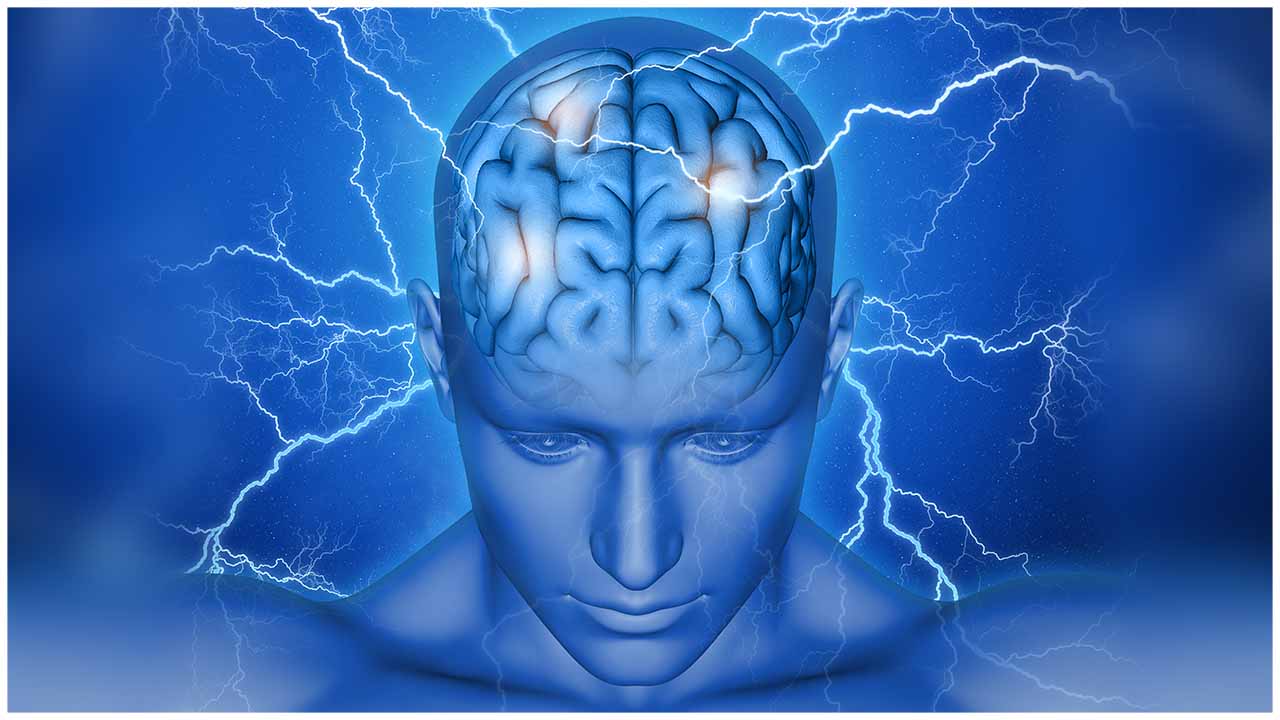
 Fear, worry, and stress are typical reactions to perceived or genuine dangers, and on occasion when we are faced with uncertainty or the unknown. So it is typical that individuals are facing fear with regards to the COVID-19 pandemic.




Regardless of whether this is on the grounds that we've lost a job or fear losing one, we're struggling with cash to take care of the bills, or we're stressed over our wellbeing and security (or that of everybody in the house), the continuous thought of stress and insecurity is leading to more psychological issues than before.
These can be troublesome occasions for us, as we find out about the spread of COVID-19 from all over the world, through TV, online media, newspapers, family and friends, and other sources. The most common feeling faced by all is Fear. It makes us anxious, panicky, and can even make us think, say, or do things that we probably won't consider suitable under ordinary conditions.
More of us will invest a ton of energy at home and many of our regular social activities will not be accessible to us.
However, it will help us to try and consider it as an alternate period in your life, and not really a terrible one, even if you didn't choose it.
Staying at home can be very pleasant for quite a while, yet can also be exhausting and restricting.
Make a new daily schedule that organizes caring for yourself. Try and rest and view this as a new if strange experience, that may have its advantages.
Here are a few different ways to keep positive and active.
Be occupied. Have a normal timetable. Help in doing a portion of the work at home. Occupy yourself from negative feelings by tuning in to music, reading, watching, and engaging yourself in some entertainment on TV. On the off chance that you had old side interests like painting, gardening, or stitching, go back to them. Rediscover your hobbies. Eat well and drink a lot of liquids. Be genuinely dynamic. Do straightforward indoor activities that will keep you fit and feeling fit. Sharing is caring. Comprehend if someone around you needs help, food, or other essentials. Be happy to share. Older individuals may feel confused, lost, and need assistance. Offer them help by getting them what they need, their medications, day by day needs, and so on. On the off chance that you have youngsters at home, keep them occupied by permitting them to help in the household chores- make them feel responsible, and acquire new skills.It will mean an alternate beat of life.
Ensure your more extensive wellbeing needs are being taken care of, for example, having enough physician recommended drugs accessible to you.
The World Health Organization (WHO) has additionally featured the significance of empowering mental and mental prosperity during the COVID-19 episode, focusing on "this won't be a run, yet a long-distance race".
Nothing about the days we are living in is 'normal.'
There is no previous experience with which to compare, except what was before we had ever known about COVID-19.





.jpeg)










.jpg)
.jpg)
.jpg)
.jpg)
.jpg)
.jpg)


.jpg)