Stem cell transplants from certain donors may be risky for cancer patients


Deprecated: strlen(): Passing null to parameter #1 ($string) of type string is deprecated in /home/medicircle/public_html/script_newsdetails.php on line 75
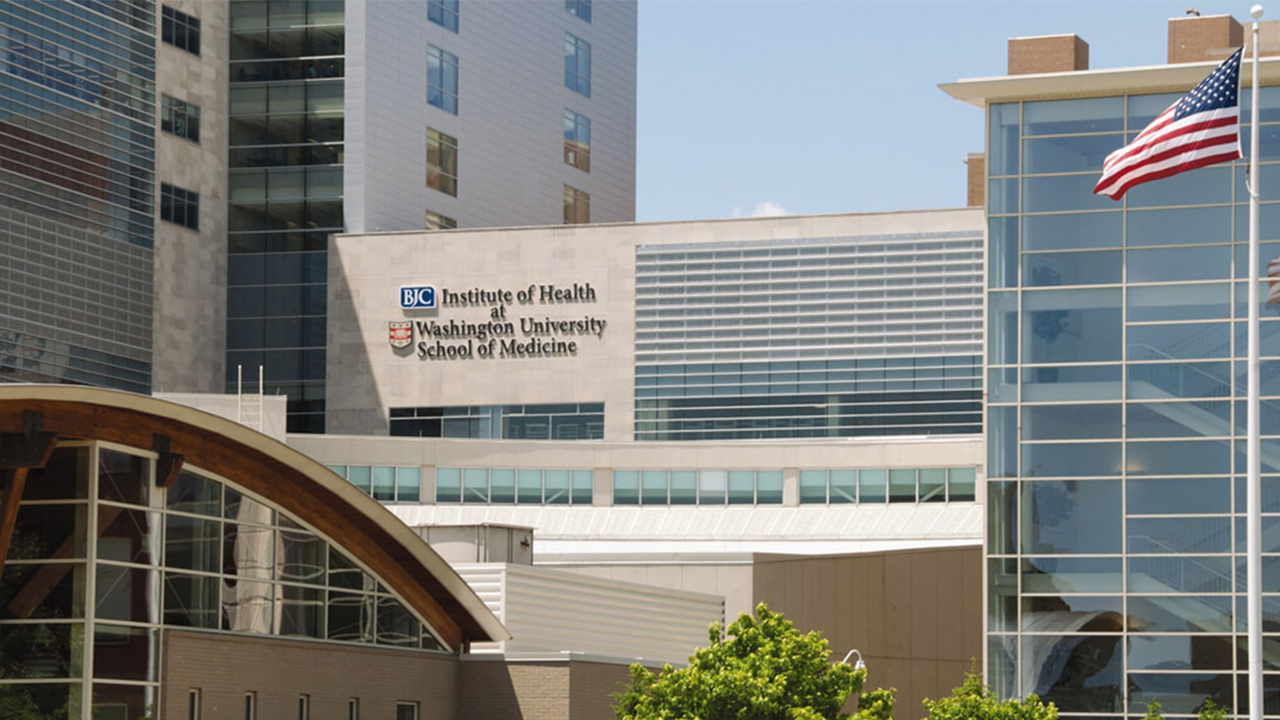
▴ Washington University of Medicine in St. Louis
Mutations in donor’s stem cells may cause health complications for the recipient.

A study by Washington University of Medicine in St. Louis suggests that extremely rare, harmful genetic mutations present in healthy donor’s bone marrow aka stem cells, may be passed on to cancer patients receiving the transplants. It is possible that donor is not showing any sign of health problem due to these mutated stem cells.

The intense chemo and radiation therapy given the cancer patient prior to the transplant and the immunosuppression given thereafter, allow cells with these rare mutations a perfect environment to quickly replicate, thereby potentially creating health problems for the patients who receive them. The health concerns include heart damage, graft versus host disease, and possible new leukemia.

According to researchers the findings raises questions about the origins of some of the well-known side effects of stem cell transplants. Because the study was conducted on a small sample size, it was concluded, in general, that about half of all patients who receive stem cell transplants go on to develop some form of graft versus host disease.


Tags : #stemcelltransplant #bonemarrowtransplant #mutationofdonorstemcells #washingtonuniversityofmedicine #risksforcancerpatients #medicircle

Related Stories

Loading Please wait...

-Advertisements-


Trending Now

The Value of Risk Communication in Public HealthOctober 08, 2026
What Makes a Reliable Health Screening Programme?October 08, 2026
How Language Access Can Improve Patient Communication in Indian HealthcareOctober 07, 2026
Why Health Literacy Matters in Preventive HealthcareOctober 07, 2026
Improving Follow-Up After Diagnostic Testing: Where Systems Commonly Break DownOctober 07, 2026
How Community Health Workers Support Preventive Care DeliveryOctober 07, 2026
AI in India's Emergency Departments: Reducing Diagnostic DelaysOctober 06, 2026
AI and Patient Consent in India: Who Is Responsible?October 06, 2026
Wearable Technology in Pregnancy: Benefits and LimitsOctober 06, 2026
Remote Monitoring for High-Risk Pregnancies in IndiaOctober 06, 2026
Fortis Escorts Faridabad Launches ‘Sehat Express’ Mobile Bus for Accessible Doorstep Cancer Screening in association with Faridabad Industries Association Charitable Society and Rotary Club FaridabadOctober 05, 2026
Advanced Thrombectomy Saves 60-Year-Old Woman After Severe Heart Attack at KIMS SaveeraOctober 05, 2026
Constipation, Bloating and Long Sitting Hours: Doctors at RG Hospitals Delhi Warn Urban Professionals Not to Ignore Gut ProblemsOctober 05, 2026
Fermenta – Centre of Excellence for Food Fortification Inaugurated at NIFTEM-T, ThanjavurOctober 05, 2026
Alzheimer’s Dementia: Recognising the Signs, Diagnosing Earlier and Changing the Future of Brain HealthOctober 05, 2026
Man Matters Hairfall Case Study 2026: 7 Lakh+ Consultations Reveal How Hair Loss Changes With AgeOctober 05, 2026
Medication Reconciliation: A System-Level Step for Safer Transitions of CareOctober 05, 2026
The Role of Clinical Pharmacists in Safer Medication UseOctober 05, 2026
Nanavati Max Hospital Hosts Max Cancer Congress 2026, Bringing Together Oncology Experts to Explore the Future of Cancer Care October 01, 2026