 Thursday, October 08, 2026
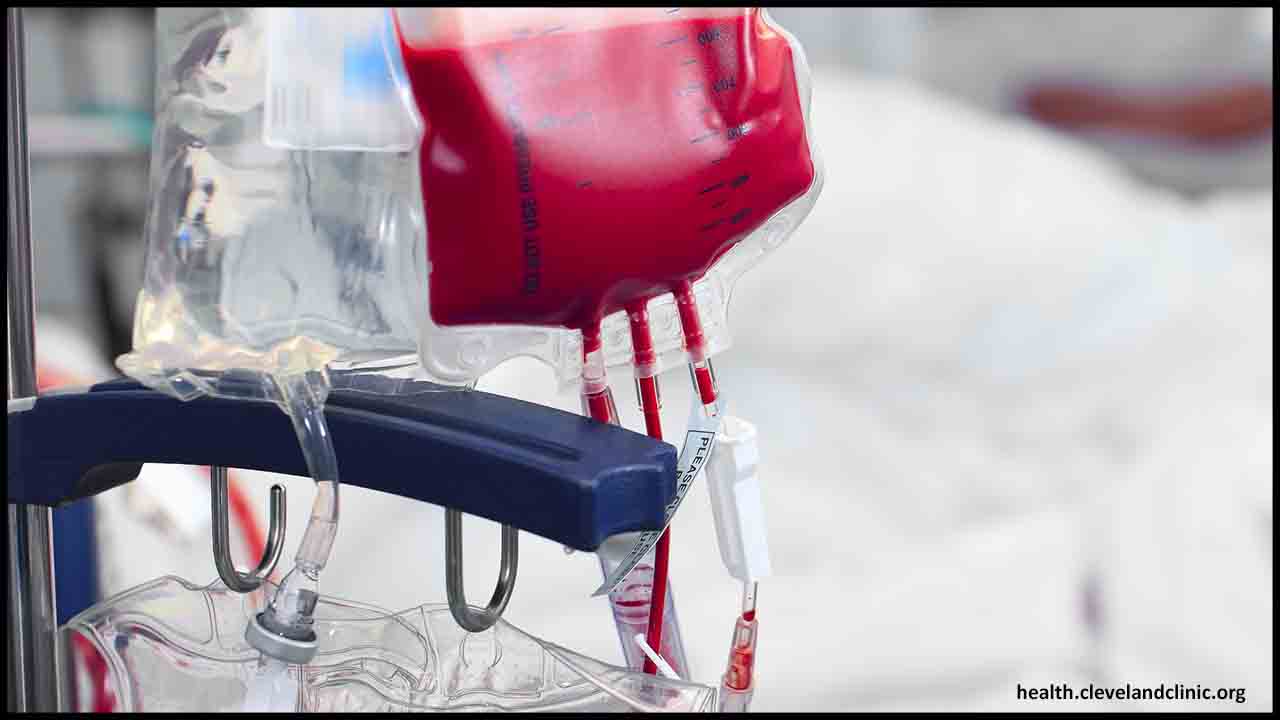
 Joint secretary of the Health Ministry, Lav Agarwal had earlier announced that all hospitals were to continue blood transfusion.




A Twitter string has raised a genuine health-related crisis. Some thalassemia patients have supposedly been not able to profit blood transfusion at Lucknow's Sanjay Gandhi Postgraduate Institute of Medical Sciences (SGPGI), an inside that has patients from the state as well as from across India.
A hereditary blood issue, thalassemia requires long-lasting customary blood transfusions, as a rule, regulated each two to five weeks. Also, with almost 40 million transporters, India is the thalassemia capital of the world. In any case, ongoing tweets from patients enrolled with SGPGI demonstrated trouble in getting the administration.
SGPGI is among the emergency clinics that have been transformed into coronavirus treatment focuses, which, as per Dr. Shubha Phadke, Head of Department, Medical Genetics, the division that manages thalassemia at SGPGI, has prompted a few difficulties. Addressing indianexpress.com, Dr. Phadke explained, "Since the emergency clinic is being utilized for COVID-19 treatment, it has needed to redesign every one of its structures for non-coronavirus patients which presented down to earth difficulties in the previous week."
Thalassemia patients are in danger of disease and it has been seen that COVID-19 worst affects patients with comorbidities, said Dr. Phadke. "Visiting the emergency clinic, which presently has its administrations devoted to COVID treatment, could expand the danger of presentation to contamination. So we suggest they visit other littler focuses, which are more averse to be packed. That is the thing that we have been attempting to pass on to patients," she said.
Reports on lack of blood flexibly have been originating from different corners since the time the lockdown, similar to the conditions of Maharashtra and West Bengal, other than Uttar Pradesh. In another UP town, Manjhanpur, the blood donation center with a limit of 100 units was as of late left with 16 units just, according to reports. "A few patients are done having the option to get blood for nothing. There has been a deficiency of givers, routine activities have additionally been required to be postponed now so blood units are absent. So some of them may need to organize their benefactors for the present," included Dr. Phadke.
Patients coming to SGPGI will currently need to get themselves tried for coronavirus first. The specialist included that the medical clinic has likewise been attempting to give blood transfusion outside of its premises, other than taking into account those with genuine wellbeing conditions. "In any case, I don't know whether permitting solid patients to come in with their relatives for routine blood transfusion would be sheltered, which is the reason we have been prescribing substitute measures to support patients. We are attempting to encourage however much as could reasonably be expected yet things are not all that simple any longer."
Read| Coronavirus: People with thalassemia face "blood deficiency", advance for blood gifts
Joint Secretary of the Health Ministry, Lav Agarwal, declared on April 21, 2020, all emergency clinics were to proceed with blood transfusion. He had said in a press preparation, "Association Health Minister Dr. Harsh Vardhan has kept in touch with all the states and has solicited them to guarantee satisfactory accessibility from blood in blood donation centers. Administrations, particularly blood issues, for example, thalassemia and hemophilia, which require an ordinary blood transfusion, will be proceeded in all clinics."
What does the National Blood Transfusion Council (NBTC) state
The National Guidance to Blood Transfusion Services in India in Light of COVID-19 Pandemic, discharged by NBTC and the Health Ministry, expressed that sharing and move off "screened or in any case, okay blood and blood parts" was a potential arrangement, according to the NBTC rules, when the impact of an ailment episode prompts inadequacy of blood gracefully as the interest for it proceeds at an ordinary level. To defend supplies and shield beneficiaries from "pointless introduction to a conceivably irresistible clinical item", just important blood parts ought to be managed.
Underlining on the requirement for adequate blood gracefully during this circumstance, the official archive expressed that at present, there is no information or point of reference recommending danger of transfusion-transmission for COVID-19. "People are not in danger of contracting COVID-19 through the blood gift process or using blood transfusion since respiratory infections are not commonly known to be transmitted by gift or transfusion," it stated, asking givers to offer assistance while keeping up social separating standards and contamination control rules.





.jpeg)








.jpg)
.jpg)
.jpg)
.jpg)
.jpg)
.jpg)


.jpg)
.jpg)
.jpg)