 Thursday, October 08, 2026
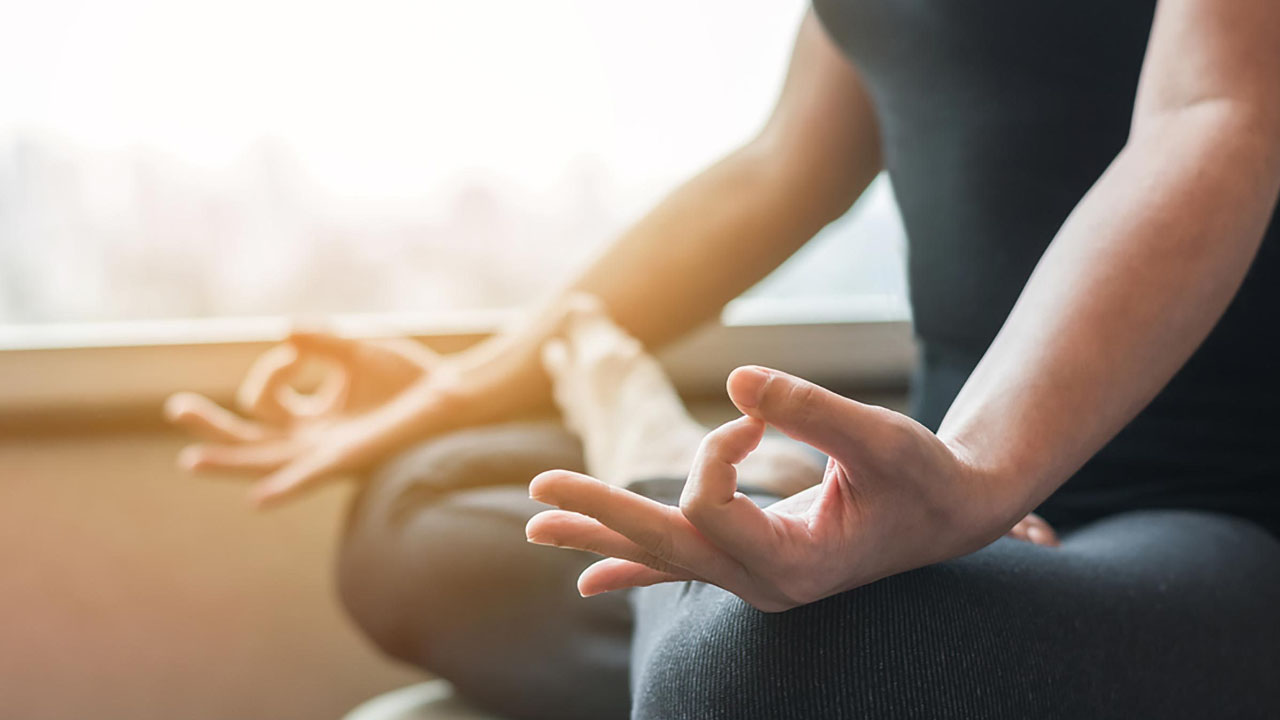
 You should just do meditation in a calm and open environment and try to keep yourself free from all kinds of thoughts. Also, keep in mind that you should follow this routine even after recovering so that you do not have any problem in the future.




Meditation and yoga give a lot of peace to the mind. Along with this, there is a lot of relaxation in the body as well. But do you know that doing meditation and yoga can be very beneficial to cure the problem of low blood pressure. It helps in balancing the blood pressure by correcting the factors of low blood pressure. Helps in curing narrowing of arteries, low sodium level and medical problems.
By controlling low blood pressure, you can keep many other diseases away. It prevents heart disease, stroke, chronic kidney disease and other diseases. Along with this, the problem of headache and dizziness also gives great benefit from meditation. Due to this your mind remains calm and gradually the situation starts recovering and you can be back as healthy as before.
How is meditation beneficial in reducing low blood pressure?
With the continuous practice of meditation, you feel a lot of peace in your brain and nervous system. It helps in controlling low blood pressure. It relaxes the blood vessels by reducing the tension. Due to which the low blood pressure remains balanced. It controls the fluctuations of the nervous system and transmits energy in the body. It also removes lethargy and weakness of the body. Plus you feel fresh throughout the day. For this, you can wake up in the morning and do meditation or yoga related to breathing for 15 minutes or half an hour in the open. Don't put too much stress on your mind in the beginning. You can increase it gradually.
Methods of Meditation
- Vipassana Meditation
In this meditation you get peace of mind and you pay attention to the actions of your body. Also, keep the speed of breathing regular. In this, keep all kinds of distracting things away from yourself and meditate silently. This gives a lot of peace to the mind. Along with this, you are also able to give time to yourself and understand yourself.
- Spiritual Meditation
This type of meditation is used in Hinduism, where you meditate on a deity for inner energy and meditation and focus on God in one place by removing all kinds of thoughts coming from your mind. It should be done in a quiet place of worship.
- Mantra Meditation
In this type of meditation, you try to meditate with the help of mantras so that the whole meditation remains in the chanting of the mantra and there is an experience of mental peace. This can give you a lot of relief. You can do this in any quiet environment. At this time you pronounce the same sound over and over again. Like many people do meditation while taking out the sound of Om. Apart from this, you can also focus on the breath. It also has a lot of benefits.
Rules of meditation
- Always try to meditate at 4 in the morning or at 4 in the evening. At this time your body remains light and the mind does not feel too busy.
- Always do meditation in a calm environment so that the mind does not wander. Also, sit in a comfortable position so that you can meditate well.
- Try to keep your spine straight during this. Also, do not stretch the shoulders and neck too much and sit comfortably.
- Wear comfortable clothes during meditation.
- If you feel cold while doing meditation, then do some exercise first. This improves blood circulation.
- During this, take deep breaths and keep the speed of breathing regular.
- While doing meditation, keep a smile on your face so that the mind gets peace.





.jpeg)










.jpg)
.jpg)
.jpg)
.jpg)
.jpg)
.jpg)


.jpg)