 Friday, November 20, 2026
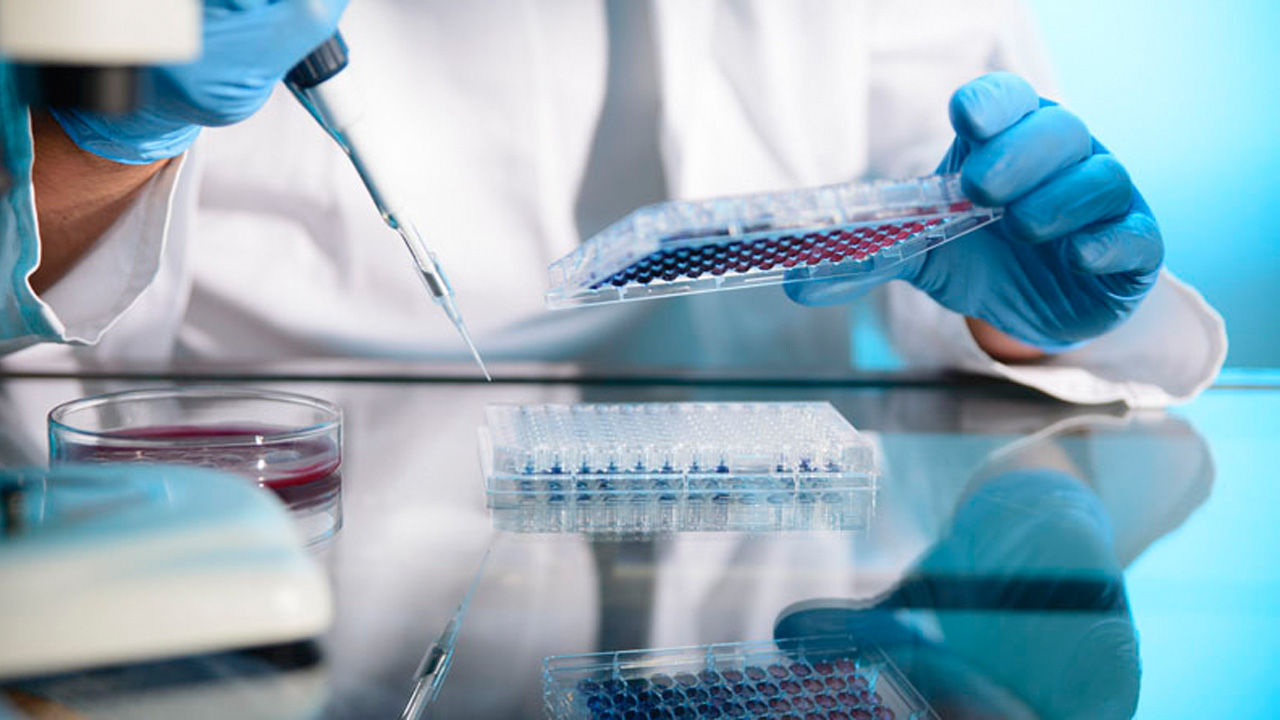
 Cell and gene therapies offer the potential for curative treatments and are being developed and commercialized in half the time it has taken traditional therapies





Merck, a leading science and technology company, has bolstered its viral vector manufacturing capabilities with the launch of its VirusExpress Lentiviral Production Platform. This new platform helps to overcome lentiviral production challenges and can reduce process development time by approximately 40 per cent, based on Merck’s experience as a contract development and manufacturing organization.
“Cell and gene therapies offer the potential for curative treatments and are being developed and commercialized in half the time it has taken traditional therapies,” said Angela Myers, head of Gene Editing & Novel Modalities, Life Science, at Merck. “We are committed to accelerating manufacturing of cell and gene therapies with the ultimate goal of getting these lifesaving treatments to patients faster. By increasing dose yields and dramatically reducing process development time, this new platform will help us reach this goal.”
Using a suspension cell line rather than an adherent-based production, coupled with a chemically defined cell culture media and process with built-in scalability, Merck’s VirusExpress Platform meets multiple market needs. In addition to accelerating process development, the suspension culture format allows each batch of the virus to be larger yielding more patient doses. Additionally, suspension culture is amenable to true scale-up, while being less labour-intensive. The chemically defined medium eliminates the safety, regulatory and supply chain concerns related to animal- and human-derived materials.
Merck’s VirusExpress Platform offers a simplified upstream workflow, making processes easier to manage, adjust and scale. Flexible licensing allows companies to manufacture vectors by using either Merck’s contract manufacturing capabilities, third-party contract development and manufacturing organization or in-house development.
The Life Science business of Merck is a leading contract development and manufacturing organization combining an integrated portfolio of manufacturing solutions with proven commercialization experience. This new offering underscores Merck’s continued investment in cell and gene therapies. In April 2020, the company announced a new €100 million, 140,000-square-foot manufacturing centre at its Carlsbad, California, USA, location that will double the existing production capacity and support large-scale commercial manufacturing. Today, the Life Science business of Merck manufactures vectors for two of the first five FDA-approved cell and gene therapies.
The cell and gene therapy market is growing rapidly and continues to show great promise. According to market research leader Arizton, the cell and gene therapy market is expected to reach more than $6.6 billion by 20241. Merck has been involved in this space since clinical trials for gene therapy began in the 1990s.





-23-300x250.png)





















