 Friday, November 20, 2026
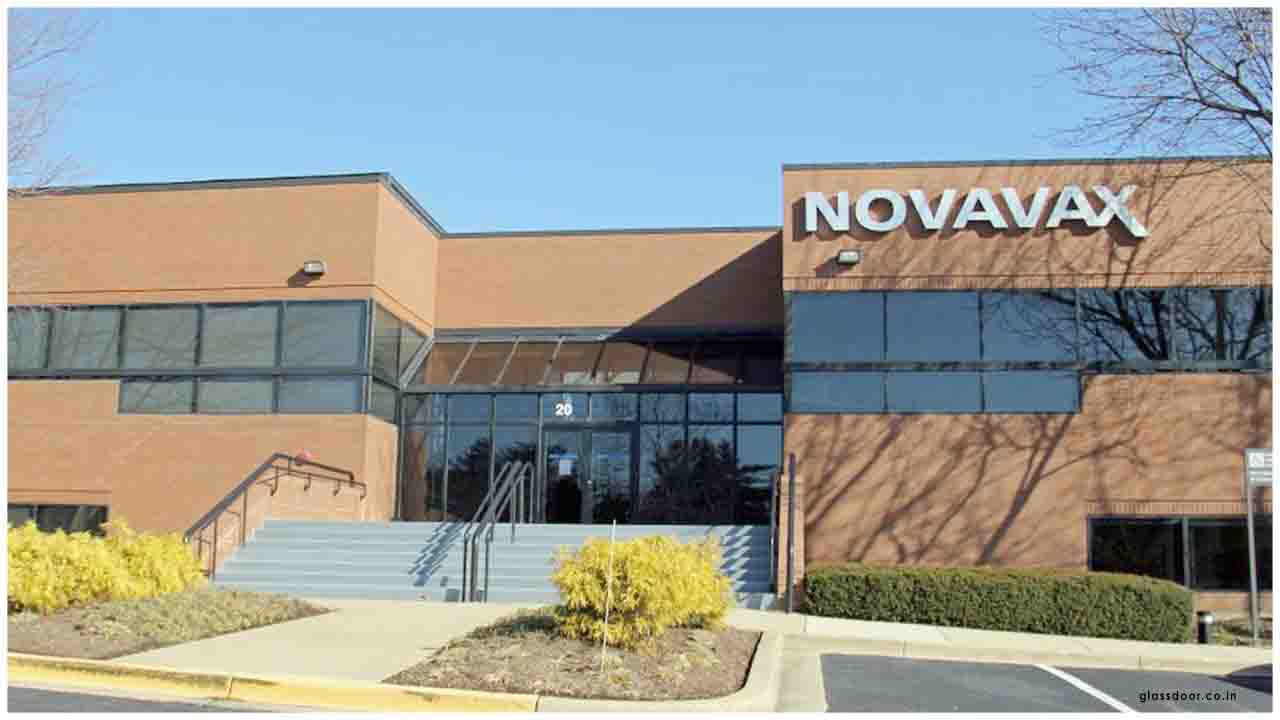
 Novavax vaccine candidate enrolls volunteers for phase 2 trial





Novavax, Inc. , a late stage biotechnology company developing next-generation vaccines for serious infectious diseases, today announced that the first volunteers have been enrolled in the Phase 2 portion of its ongoing clinical trial to evaluate the immunogenicity and safety of NVX-CoV2373, Novavax’ COVID-19 vaccine candidate. The Phase 2 clinical trial expands on the age range of the Phase 1 portion by including older adults 60-84 years of age as approximately 50 percent of the trial’s population. NVX‑CoV2373 is a stable, prefusion protein made using Novavax’ nanoparticle technology and includes Novavax’ proprietary Matrix‑M adjuvant.
“We expect this Phase 2 portion of the trial to expand on the encouraging Phase 1 safety and immunogenicity data for NVX-CoV2373, and we will now look for robust immune responses in older adults,” said Gregory M. Glenn, M.D., President, Research and Development at Novavax. “Our Phase 3 trial of NanoFlu, which we reported in March of 2020, provided us with a deep understanding of the unique needs of older adults, who are particularly vulnerable to COVID-19. We know that the world is closely watching all of these trials, and we anticipate interim data from this trial in the fourth quarter of this year.”
The Phase 2 portion of the ongoing Phase 1/2 clinical trial is a randomized, placebo-controlled, observer-blinded study to evaluate the safety and immunogenicity of NVX-CoV2373 with Matrix-M in subjects aged 18 to 84 years. The clinical trial will assess two dose sizes (5 and 25 µg), each with 50 µg of Matrix‑M. Although the trial was designed to confirm immunogenicity and safety in adults, secondary objectives include preliminary evaluation of efficacy. The study is targeting enrollment of up to 1,500 healthy volunteers, with approximately 50 percent of participants ≥60 years of age, at up to 40 sites in the U.S. and Australia
The trial is supported by funding from the Coalition for Epidemic Preparedness Innovations (CEPI).
In the Phase 1 portion of the Phase 1/2 clinical trial, conducted in Australia, NVX-CoV2373 was generally well-tolerated and elicited robust antibody responses numerically superior to that seen in human convalescent sera.
About NVX-CoV2373
NVX‑CoV2373 is a vaccine candidate engineered from the genetic sequence of SARS‑CoV‑2, the virus that causes COVID-19 disease. NVX‑CoV2373 was created using Novavax’ recombinant nanoparticle technology to generate antigen derived from the coronavirus spike (S) protein and contains Novavax’ patented saponin-based Matrix-M adjuvant to enhance the immune response and stimulate high levels of neutralizing antibodies. In preclinical trials, NVX‑CoV2373 demonstrated indication of antibodies that block binding of spike protein to receptors targeted by the virus, a critical aspect for effective vaccine protection. In its Phase 1 data of the Phase 1/2 clinical trial, NVX‑CoV2373 was generally well-tolerated and elicited robust antibody responses numerically superior to that seen in human convalescent sera. Phase 2 clinical trials began in August. Novavax has secured $2 billion in funding for its global coronavirus vaccine program, including up to $388 million in funding from the Coalition for Epidemic Preparedness Innovations (CEPI).
About Matrix-M
Novavax’ patented saponin-based Matrix-M adjuvant has demonstrated a potent and well-tolerated effect by stimulating the entry of antigen-presenting cells into the injection site and enhancing antigen presentation in local lymph nodes, boosting immune response.





-23-300x250.png)





















