 Thursday, October 08, 2026
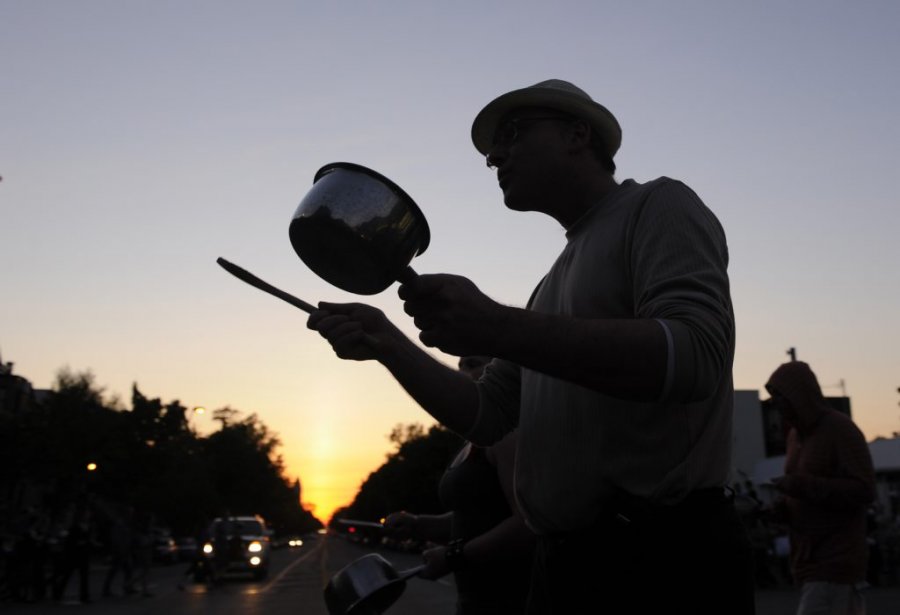
 There is nothing bad in cheering for others. The taali-thaali campaign added more zest to cheering and clapping for corona warriors by use of thalis and bells in addition. The country enjoyed this cost-effective community event.




On 22nd March 2020 amidst the dilemma of what is going to happen next, India came alive at 5 pm as appealed by the Prime Minister. Sounds of taalis and thaalis (claps and utensils) along with the bells filled up every residential nook and corner of the country. It was a resounding campaign that none of us had ever witnessed in our lives. It was a sight of communal gaiety that was visible in every balcony and terrace. Though this campaign received a lot of flak as well from some segments of our society, India got successful in showing respect to all the doctors, professionals in the healthcare industry, police personnel, essential service providers and emergency workers who were daring their safety for us while we were anticipating a lockdown for some days to run away from the virus attack.
The perspective of people who did not find any usefulness of the campaign is not being questioned. However, the point to ponder is that we human beings are nothing but a bundle of emotions and this campaign certainly boosted our gloomy moods if nothing else. None of us had to spend even a penny for this community event. Such a cost-effecting initiative was resounding especially when the fear of Covid-19 was multiple times higher than what it is exactly a year after when the second wave is sweeping in.
If nothing else, the taali-thaali campaign added up to the emotional well-being of the community at large. At the outset of social distancing and uncertainly lingering over our heads, it improved social connectedness. Many people got so carried away with the sense of enthusiasm that they stretched the taali-thaali campaign to more than 4-5 times in duration than it was originally appealed. That’s another matter that some people also got overboard in excitement and instead of being confined in homes which was the actual requirement; spread in procession like groups on the roads and common areas of the residential complex. This was certainly uncalled for and posed risk to physical health.
Mental health is as significant as physical health and it has a strong connection with the sense of being part of one’s community and taali-thaali campaign resonated with this outlook. We were able to send a collective compassionate vibe of solidarity to the corona warriors through this initiative. It was a way of showing social support to them in those difficult times. It made them feel valued and respected for their duties.
On another note, it was not just the emotional health that taali-thaali campaign catered to but clapping in itself has physical health benefits too. We all must have noticed groups in nearby parks clapping together. There is a reason for that. Our palms have blood vessel endings and nerves that get stimulated through clapping which in return helps improve the condition of many parts and organs of our body like the lower back, digestive tract, kidneys, etc. All the acupressure points get stimulated through clapping. So, the taali-thaali campaign contributed to that cause as well.





.jpeg)










.jpg)
.jpg)
.jpg)
.jpg)
.jpg)
.jpg)


.jpg)