Wednesday, October 07, 2026
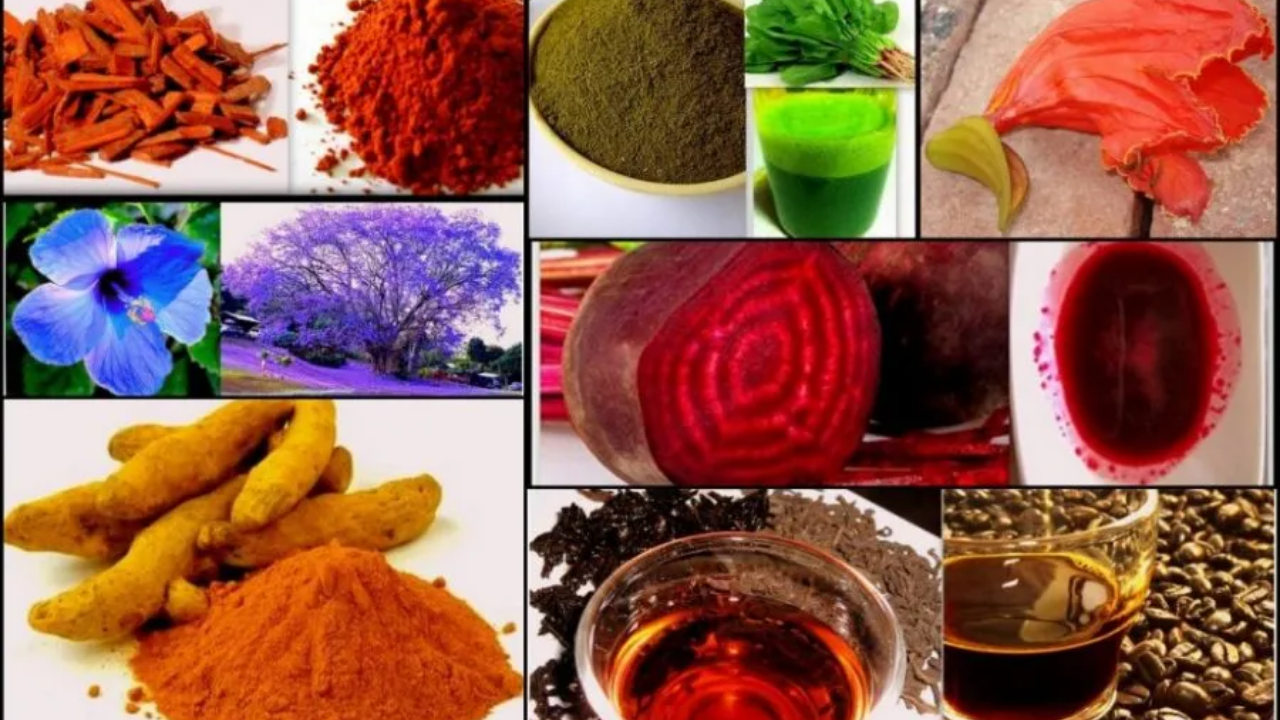
 Which holi colors should one use? This question is very common among the holi players. So, let us tell you some important benefits on why to choose organic colors over conventional colors.




https://medicircle.in/cancer-treatment-solutions-and-advancementsHoli, the festival of colors is approaching, colors and gulal are also being sold in the market. In India, people play colors in Holi with great pomp. It is also important to take care of your health before using colors in the festival of Holi. You should also know about the colors you are using available in the market.
These colors are considered very harmful for our skin, in such a situation, while buying colors for Holi from the market, it must be kept in mind whether we are buying adulterated or fake colors? In olden times people used to use natural or organic colors in Holi, but now these colors are being made by mixing harmful chemical substances which can have adverse effects on the skin and eyes. Before using colors in Holi, let us know about the important things related to them and the identification of real and fake or adulterated colors found in the market.
Artificial and Adulterated Colors
The use of fake or adulterated colors in Holi threatens to cause many skin problems. Nowadays colors made using harmful chemicals are easily sold in the market, they also take less time to make and they are also cheaper than organic colors. These colors, which are considered harmful for the skin, can cause a big problem if they enter the eyes.
Many other harmful chemicals like mercury, sulfate, lead oxide, copper sulfate, and malachite are used to make dyes. Many types of glass particles and mica dust etc. are also present in these colors. The use of these colors can also cause serious skin problems. In addition to eczema and cancer, they can also cause conditions such as eye and skin irritation, allergies, and serious infections if they get into an injury or wound on the body.
Use Organic Colors to Play Holi
Organic or natural dyes are those that are made from natural roots, leaves, and flowers. Although both time and expense are more in the manufacture of these colors they do not have any adverse effect on health. Beetroot, marigold, hibiscus, and cotton flowers are used to make natural dyes. They are made using turmeric and other natural things. They do not use any kind of harmful chemicals, so they are not considered harmful to the skin. Organic colors also do not harm the environment. You can also make your own organic colors for Holi in easy ways at home.
So, choose organic colors rather than conventional colors for this holi festival.
(Disclaimer: The content on this site is for informational purposes only, and should not be taken as professional medical advice. Always seek the guidance of your doctor or other health professionals for any questions you may have regarding your health or a medical condition.)





.jpeg)




.jpg)
.jpg)
.jpg)
.jpg)
.jpg)
.jpg)


.jpg)
.jpg)
.jpg)
.jpg)
.jpg)
.jpg)