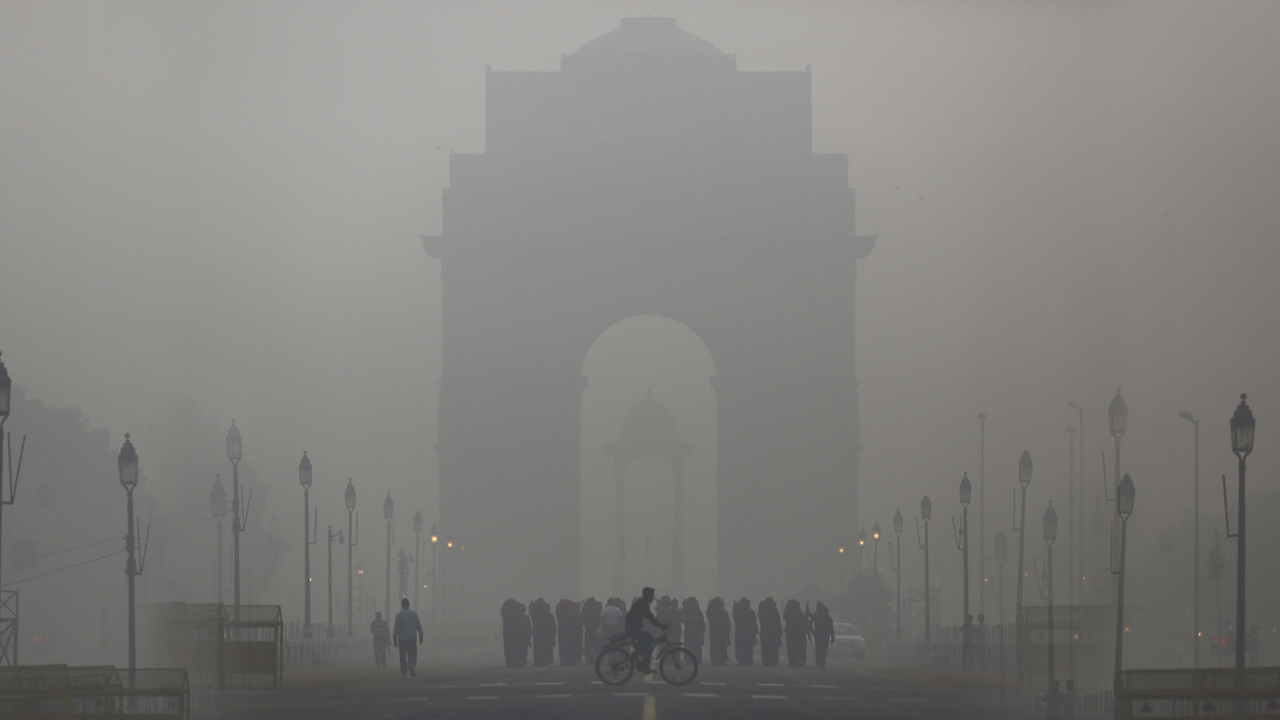
Over 40% Delhites suffers from Metal Toxicity which can lead to cancer and other health threats


Deprecated: strlen(): Passing null to parameter #1 ($string) of type string is deprecated in /home/medicircle/public_html/script_newsdetails.php on line 75
▴ Delhi pollution
Delhites faces an obscure future due to metal toxicity

Latest health figures from capital are scary as it reveals severe metal toxicity among the Delhi residents resulting from air and water contamination. A study by Daivam Wellness which tested 165 patients found out 68 patients positive for some kind of serious metal toxicity. Metals like aluminium, mercury, lead, arsenic, and cadmium were the major cause of toxicity.

This also poses a major threat to children as exposure to a small amount at early years can lead to severe physical deformation later in life. As per Lancet Commission on Pollution and Health, contaminated water, air and soil are responsible for about nine million deaths, and 92%of these early deaths due to toxicity occur in low and middle-income countries including India.

Without immediate government intervention toxicity levels are bound to make Delhi residents life miserable.It also exposes them to cancer and other serious ailments.


Tags : #delhi #metaltoxicity #41 #medicircle

Related Stories

Loading Please wait...

-Advertisements-


Trending Now

Clinical Interventions in Chronic Hepatitis B and C: Antiviral Efficacy, Liver Fibrosis Scoring, and Monitoring August 11, 2026
Common Health Mistakes Indians Should Avoid: A Practical Guide to Everyday WellnessAugust 11, 2026
How to Build a Healthy Lifestyle After 40: A Practical Guide for Indian AdultsAugust 11, 2026
Milk Microbiome Could Hold New Clues to Lifelong Health, Experts SayAugust 10, 2026
Globally Renowned Dermatologist and Sesderma Founder Professor Dr. Gabriel Serrano to Visit India to Showcase Cutting-Edge Derma-Tech for Indian Skincare at Scientific Symposiums Hosted by Iberia PharmaceuticalsAugust 10, 2026
Sharda Hospital Celebrates World Breastfeeding Week with a Week-Long Awareness ProgrammeAugust 10, 2026
Swinburne University of Technology Opens Applications for Master of Engineering ScienceAugust 10, 2026
GLP-1 Receptor Agonists: A New Era in Weight Loss TreatmentAugust 10, 2026
Immunotherapy vs. Chemotherapy: Understanding the Mechanisms of Precision OncologyAugust 10, 2026
Mitigating Tech-Induced Ailments: Managing Screen Time, Sedentary Lifestyles, and Dry Eye SyndromeAugust 10, 2026
The Blueprint of Validation: Navigating Medical AI’s "Reckoning Year"August 10, 2026
The Future of Smart Hospitals: Redefining Healthcare Delivery in India August 10, 2026
Healthcare Data Security in India: Risks, Threats, and Best Practices for a Digital-First Health EcosystemAugust 10, 2026
The Science of Resilience: Psychological Strategies for Modern StressAugust 08, 2026
The Science of Fasting: 2026 Research on Autophagy and LongevityAugust 08, 2026
Early Markers of Insulin Resistance: Moving Beyond Fasting Blood SugarAugust 08, 2026
Healthcare Management Challenges in India: What Hospital Leaders Must Address NowAugust 08, 2026
Importance of Patient Safety: Why Every Hospital in India Must Prioritize ItAugust 08, 2026
Decoding Fatty Liver Disease: Symptoms, Reversibility, and the MASLD/NAFLD SpectrumAugust 07, 2026
Heart-Healthy Dietary Patterns: Translating Clinical Nutrition Guidelines into Daily MealsAugust 07, 2026