 Saturday, October 10, 2026
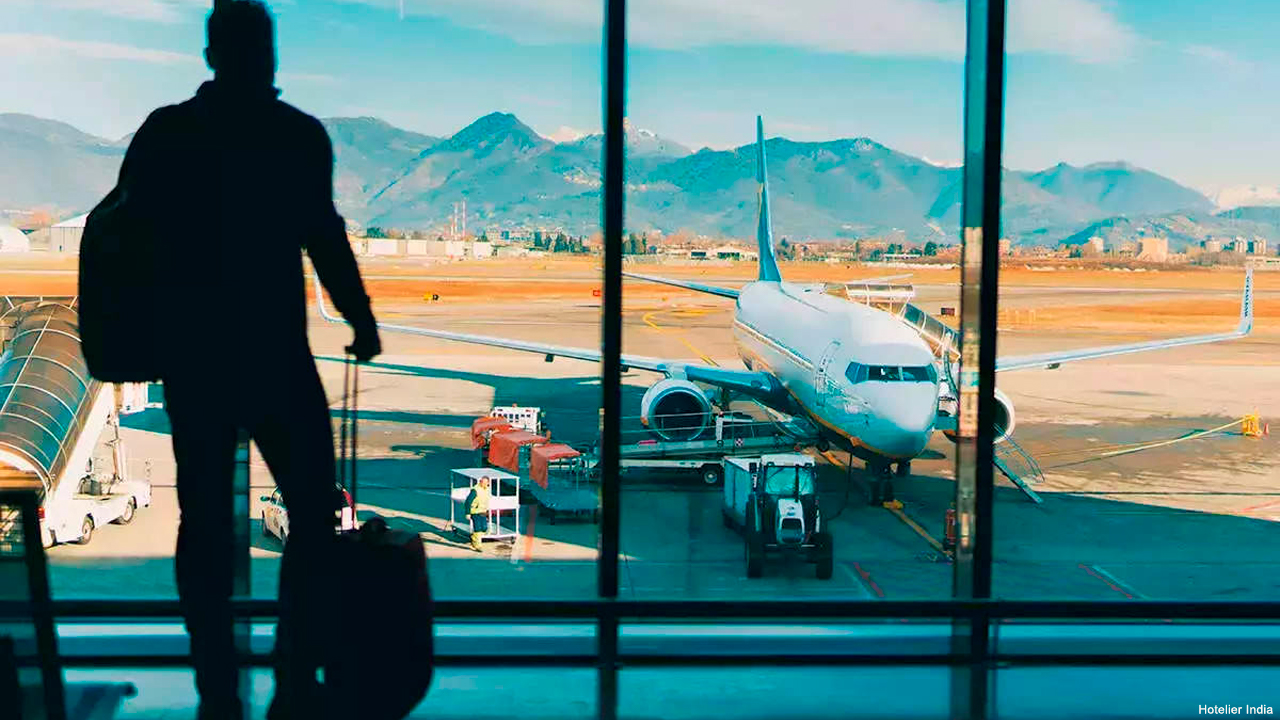
 Travelling is always a fun thing to do, but if you have health problems and you are thinking of travelling abroad. Here is a list of do's and don'ts.




International travel gives us new, wonderful and lasting memories. International travel can also lead to health problems that can be unpleasant or life-threatening.
Potential contributors to health issues associated to travel include exposure to infectious organisms, the use of certain types of transportation, and participation in certain activities, such as diving and high-altitude hiking during travel. A pre-existing medical condition can deteriorate while travelling due to the surroundings, food, and water.
Most health issues associated with travel can be prevented with a combination of pre-travel planning, immunizations, and safety precautions during travel. There are some vaccines available, if you're going to some specific places that are exposed to endemic or epidemic diseases.
Do's:
Consult health-care providers - you can ask your family doctor, tell him about the place like weather, food preference etc. He might give you some vaccines or medications or might advice you whether to take existing medications in those situations or not.
Go to the place where you can get medical treatment - Find out that the place you're planning to visit has good hospitals and clinics. So in case of emergency, you can readily obtain any medical advice or treatment that you require.
Carry everything important with you - You can carry all your prescription or medicine's, if patient is disable, pack things that are needed like lenses, blind stick, hearing machine or wheel chair. If you're going on heights you can take inhalers to help you with breathing problems.
Be alert regarding your drug/food sensitivity - If patient have any food or drug allergies, they should avoid those foods and carry required medications prescribed by health practitioners just in case.
Don'ts:
Don't rely mainly on internet for your research - Websites are advertising tools that often contain outdated or incomplete information, therefore do confirm with your trip organizers.
Don't be stingy on your vacation time - Take advantage of the medical attention that's available on vacation for quick recovery, so that your return journey is uneventful.
Don't eat junk foods or drink unfiltered water - Whenever we are on trip, we tend to eat a lot of street foods, which can be harmful for person with health issues and water from different place can cause weak immunity, so be aware and drink boiled or filtered water only.
Don't be overexcited - International trips are always exciting and interesting for everyone. But don’t be overexcited during travel, it can lead to increased heart rate, hypertension, anxiety etc.
Travelling is generally good for everybody, the experience can lighten the mood, change our perceptions about things, improve mental health, and on some level it can also positively affect your physical health. But People with health problems and serious medical conditions should always take extra care.





.jpeg)










.jpg)
.jpg)
.jpg)
.jpg)
.jpg)
.jpg)


.jpg)