 Saturday, October 10, 2026
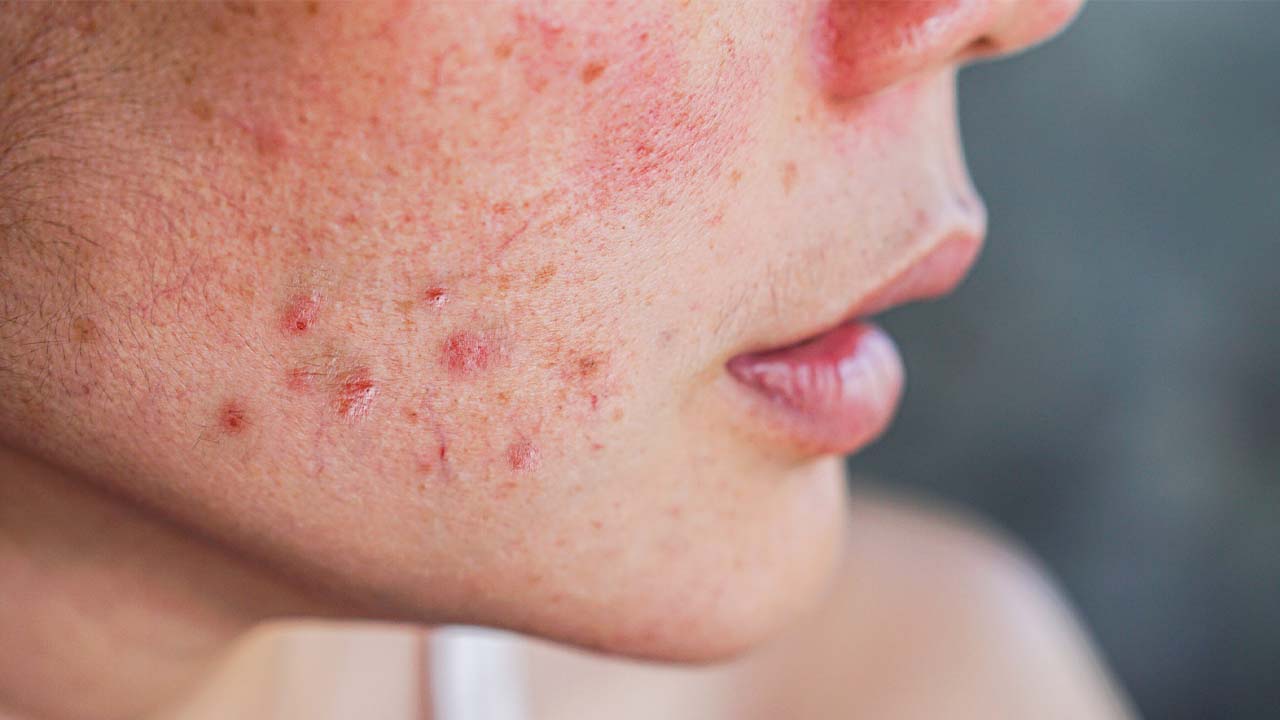
 There are several reasons that may cause acne. One of them is PCOS. But is it important to distinguish between PCOS acne and others? For this, you need to visit a doctor. PCOS acne comes along with other symptoms. Let’s check out them and simple ways to treat them.





PCOS is a lifestyle disorder. It is caused due to an imbalance of the hormones in the body. Hence also a hormonal disorder. PCOS has become very common in Indian women. 1 in 5 women in India is suffering from PCOS. The hormonal imbalance causes various changes in the body. Irregular or delayed periods, hirsutism, acne, and thinning scalp hairs are some tell-tale signs of PCOS. The imbalance of hormones is due to an unhealthy lifestyle (unhealthy eating, lack of physical activity). Hence to treat or cure PCOS, the first thing one should do is to rectify the unhealthy lifestyle.
Hormonal acne is the most common symptom of PCOS. This acne is not treated like others.
Common causes of PCOS acne
Increased sebum – Sebum is a natural oil that our skin produces. PCOS leads to increased sebum production that attracts more dust and bacteria and further leads to excess acne on the face.
Stress – Mood swings and stress are other signs of PCOS. Excess stress and prolonged mood disorder may result in increased acne on the face.
Inflammation – Pimples and inflammation of the skin come along with PCOS acne. The skin becomes more sensitive and reactive and redness can be seen on the face.
Increased blood sugar levels – In PCOS, increased levels of blood sugar are also common. The state of hyperinsulinemia causes a sharp increase in androgens which might worsen the condition of PCOS acne.
Treatment of PCOS acne
Eat healthily – The right nutrition comes by taking carbs, fats, proteins, minerals, and vitamins in the right amount. Eat healthily, and take enough fiber and protein. Say no to unhealthy or junk food items. Eat nutrient sources that are good for skin health like vitamin E.
Active lifestyle – Active lifestyle helps balance hormones, blood sugar, stress, and other factors responsible for PCOS acne.
Skincare – Avoiding harsh chemical products on your skin is the guide to the right skin care.
Seek professional help – Experimenting on the basis of information available from unreliable sources may worsen the condition. Thus, it is best to seek Skin Specialist help and go as per their prescription.
Things to keep in mind for acne
Don’t prick your pimples – Don’t try to prick them, avoid touching them. Touching the face frequently is making skin prone to bacterial infections. Scratching or pricking may cause permanent marks.
Regularly wash your face – Washing your face regularly ensures that dust and bacteria get washed off. Otherwise, excess sebum may attract dust and bacteria.
Know your skin – Knowing your skin type will help you to pick products that will suit your skin best.
PCOS acne is temporary and not permanent – It is important to accept the fact that PCOS acne is temporary and not permanent. Hence avoid taking stress for the same, it may worsen the condition.
PCOS cannot be completely cured but can be easily controlled. Follow a healthy lifestyle and regularly visit your doctor.
(Disclaimer: The content on this site is for informational purposes only, and should not be taken as professional medical advice. Always seek the guidance of your doctor or other health professionals for any questions you may have regarding your health or a medical condition.)





.jpeg)










.jpg)
.jpg)
.jpg)
.jpg)
.jpg)
.jpg)


.jpg)