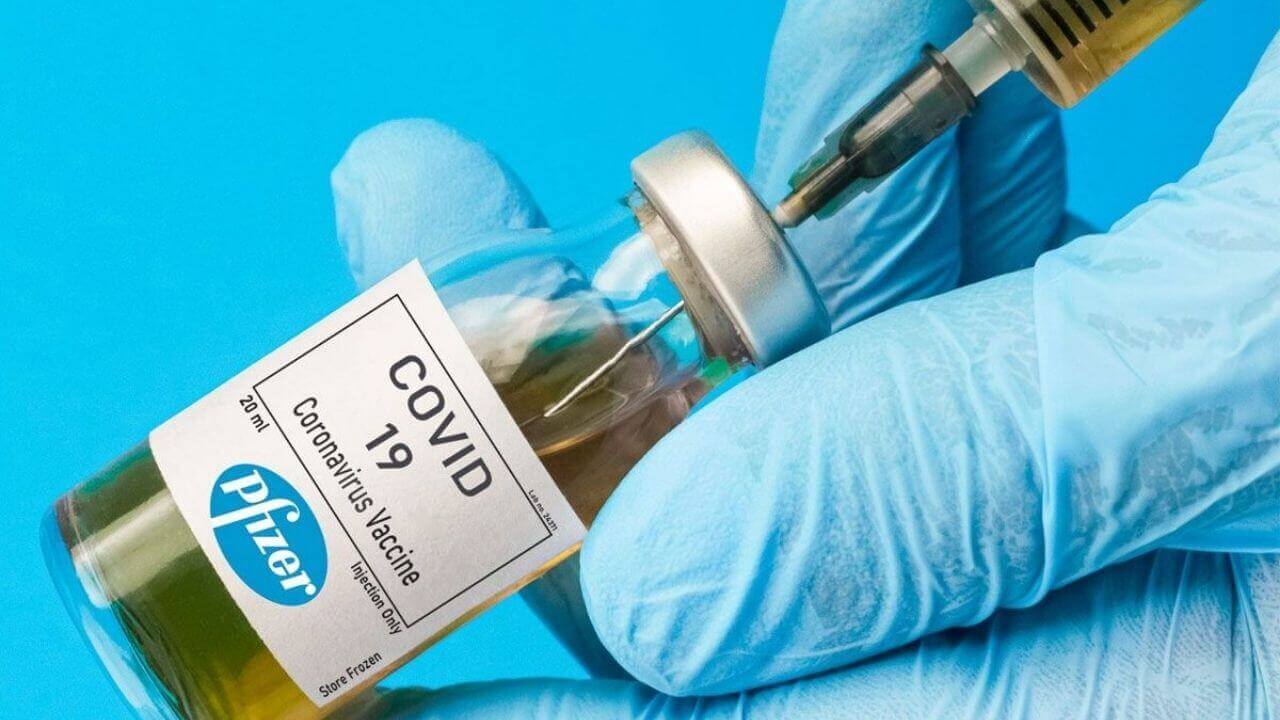
Pfizer jab side effects in 12-15 year olds at high risk of COVID-19 complications, mild to moderate


Deprecated: strlen(): Passing null to parameter #1 ($string) of type string is deprecated in /home/medicircle/public_html/script_newsdetails.php on line 75
▴ Pfizer jab side effects in 12-15 year olds at high risk of COVID-19
Study numbers are small, but data representative of those most likely to benefit

The side effects of the Pfizer-BioNTech jab against COVID-19 are likely to be mild to moderate and clear up quickly in 12-15-year-olds at high risk of complications from the infection because of certain coexisting conditions, reveals a small study accepted for publication in the Archives of Disease in Childhood.

Although the study numbers are small, the data are representative of those teens most likely to benefit from the vaccination and should offer reassurance to parents and clinicians, say the authors. 

Healthy children with COVID-19 infection generally have a mild illness, but some coexisting conditions, particularly neurological conditions, are associated with severe disease. 

These high-risk children were therefore shielded to reduce their risk of infection, and wouldn’t have been included in early vaccine safety studies, say the authors.

The UK’s vaccine advisory group, the Joint Committee on Vaccination and Immunisation (JCVI), advised that children aged 12 and over with severe neurological disabilities, who tend to get 

Tags : #Pfizer #PfizerVaccine #CovidVaccineEffect #UKVaccineAdvisoryGroup #smitakumar #medicircle

About the Author


Team Medicircle

Related Stories

Loading Please wait...

-Advertisements-


Trending Now

Why Modern Lifestyle Causes Chronic InflammationAugust 05, 2026
Endometriosis Awareness: Understanding the Silent Condition Affecting Millions of Indian WomenAugust 05, 2026
A Complete Guide to Pregnancy Health Tips for Indian Women: Nutrition, Wellness, and What Every Expectant Mother Should KnowAugust 05, 2026
Why Preventive Healthcare for Children Is One of the Most Important Investments India Can MakeAugust 04, 2026
The Role of Pathology in Healthcare: From Diagnosis to Disease PreventionAugust 04, 2026
Pathophysiology of Psoriatic Arthritis: Clinical Presentation, Joint Damage Mitigation, and BiologicsAugust 04, 2026
Comprehensive Evaluation of Syncope: Cardiac vs. Neurological Origin WorkupsAugust 04, 2026
Common Medical Terms Explained: A Plain-Language Guide for Indian Patients and Healthcare SeekersAugust 03, 2026
Why Radiology Is the Backbone of Modern Medical Diagnosis and TreatmentAugust 03, 2026
Managing Urban Stress: Science-Backed Strategies for Mental Resilience in 2026 August 01, 2026
Managing Chronic Inflammation: The Role of Anti-Inflammatory Indian SuperfoodsAugust 01, 2026
Pathophysiology of Psoriatic Arthritis: Clinical Presentation, Joint Damage Mitigation, and BiologicsAugust 01, 2026
Early Markers of Glaucoma: Structural vs. Functional Ophthalmic Diagnostic ProtocolsAugust 01, 2026
Managing Complex Diabetic Foot Ulcers: Multidisciplinary Wound Care, Offloading, and RevascularizationAugust 01, 2026
The Future of Preventive Medicine: How India Is Moving From Cure to PreventionAugust 01, 2026
Why Young Indians Are Facing Heart Problems: Causes, Symptoms, and PreventionAugust 01, 2026
The Future of Preventive Screening: AI-Driven Early Cancer Detection in IndiaJuly 31, 2026
The Impact of Climate Change on Allergic Respiratory Diseases in Indian Cities July 31, 2026
Electronic Medical Records: What They Are, Why They Matter, and How India Is Embracing ThemJuly 31, 2026
Heatwave Health Risks in India: Symptoms, Treatment, and Prevention StrategiesJuly 31, 2026