 Thursday, October 08, 2026
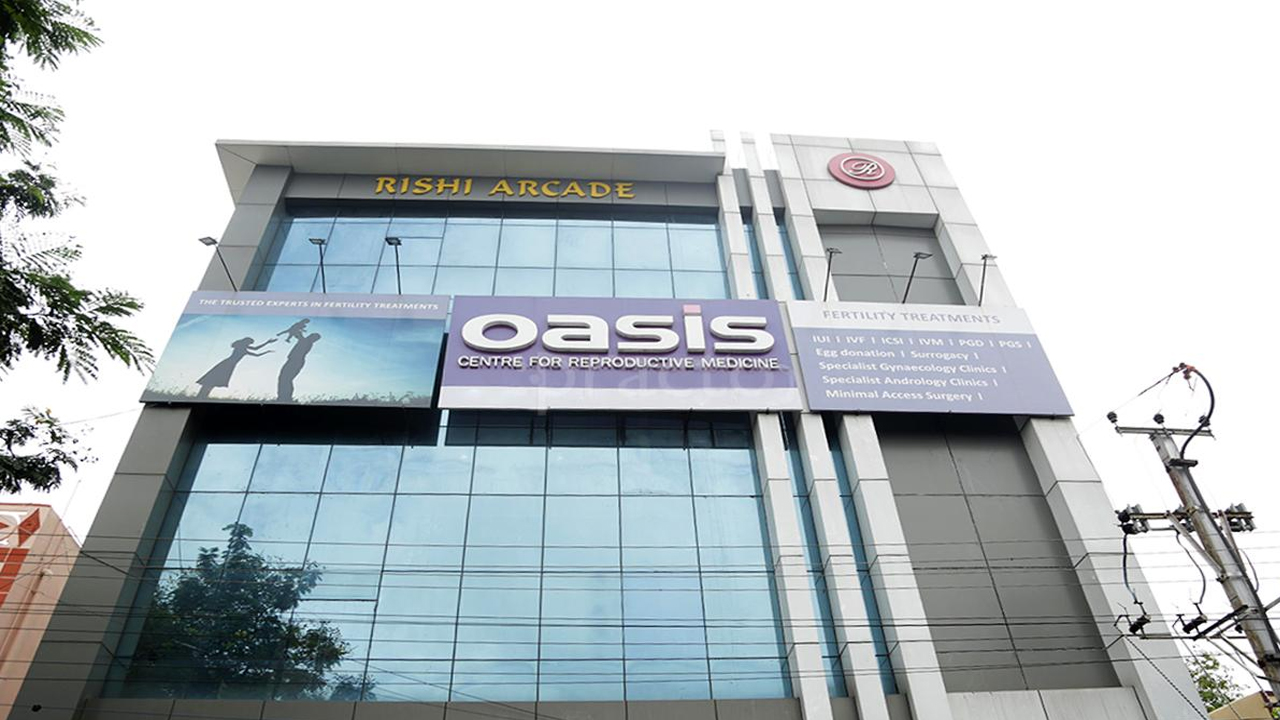
 Pune to Get Its First Advanced Technology Fertility Solution Centre - Oasis Fertility




Dropping Fertility rates in Maharashtra is a concern now, in 2005 Maharashtra used to have a fertility rate of 2.8 which has gradually come down to 1.7 in 2020. Generally, a level of 2.1 replacement rate is required to maintain the equilibrium in the population with ratio of 1:1, but Maharashtra is now staring at a new problem of Infertility among men and women of the state.
The World Health Organization (WHO) states that one in every 4 couples in developing nations is affected by infertility. India has nearly 27.5 million infertile couples, and out of which only 1% of the couple come forward to get themselves treated. This is primarily because of the low awareness levels and the myth that the success rate in IVF/Fertility treatment is very low.
The total fertility rate, which is the number of children who would be born per woman if she were to pass through the child bearing years bearing children according to a current schedule of age-specific fertility rates, has declined from 3.9 in 1990s to 2.3 in 2013. It is estimated that while female factor accounts for 40-50% of infertility among couples, infertility attributable to male factors is on the rise and constitutes 40 -45%.
On the occasion of the launch of Oasis Fertility at Pune, Mr Shravan Hardikar – Chief Guest for the occasion and Commissioner of PCMC congratulated the whole team and said that “It’s the need of the hour, there are so many infertile couples who have been dreaming of parenthood. I am sure with expert doctors like Dr Nilesh at Oasis Fertility the dreams of these people will now be a reality in Pune.”
Ms Sindhu Tai, who is a popular social activist in Pune and affectionately called as mother of orphans had sent a beautiful video message congratulating the entire Oasis Fertility team and said that “Oasis means a fertile spot in the desert where the water is found, likewise Oasis Fertility in Wakad is going to be the hope for all infertile couples of Pune from now on.”
Guests of honor both Mr Sailesh Balkawade Superintendent of police Kolhapur and Mrs Kadambari Balkawade Municipal Commissioner of Kolhapur congratulated the entire team of Oasis and wished them best of luck.
Talking on the occasion of the launch of Oasis Fertility at Pune, Dr Durga G Rao, Co-Founder and Medical Director of Oasis Fertility stated that “One of the main reasons for starting a Fertility Centre in Pune is just not giving another option for the infertile couple but to give an evidence based ethical transparent and protocol based treatments to the couple. We at Oasis strongly follow the clinical protocols and algorithm coupled with cutting edge, latest technology in treating the patient thereby ensuring a higher success rates.”
Adding to this Dr Durga also stressed on the fact about the timing of decision to visit a fertility centre is of utmost importance.
“Many couples delay the start of treatment, it is of utmost importance that the couple who have already crossed 30 and have not conceived naturally after trying for year, they need to take help of Assisted Reproductive Technologies, the sooner the better for best clinical outcomes.”
Talking on the launch occasion Dr Krishna Chaitanya – Scientific Head and Clinical Embryologist of Oasis Fertility said that, “In India the general notion or myth is that infertility clinics are meant only for treating women, the entire male infertility gamut is just ignored. According to Journal of Reproductive Sciences “Male factor” infertility is seen as an alteration in sperm concentration and/or motility and/or morphology in at least one sample of two sperm analyzes, collected 1 and 4 weeks apart, in India, nearly 50% of infertility is related to the reproductive anomalies or disorders in the male. Hence it is important that the male infertility is evaluated completely when a couple come forward for fertility treatment. We, at Oasis pride ourselves about the impeccable standards we maintain in our IVF lab which is an advanced lab. The lab is crucial for the treatments offered at our centre and we ensure that the highest level of quality is maintained here. Our lab is one of the very few labs in India that has proper Total Quality Management in place which optimizes the results of the Assisted Reproductive Techniques. We are first in AP to provide advanced services like PGS/ PGD /IVM/ mTESE/ Vitrification/ Fertility preservation.”
He also added that “Öasis Fertility has always been in the forefront of new technologies like Electronic Witnessing system, PGT-A, IVM, and shortly we will be adopting AI through the way of embryoscope. We are the first Fertility centre across the country who have a dedicated arm of Male Fertility called Androlife.”
Oasis specializes in dealing with clients with previous failed IVF treatments. Often IVF is the last option offered to couples to conceive and it’s devastating to learn that at times even IVF fails.
Through advanced treatments like PGS, Vetrification, micro-TESE success rates can be improved. At Oasis we treat a lot of couples with history of failed IVF and successfully offer better pregnancy rates. Well trained experienced team with state of ART facilities have helped oasis successfully offer advance treatments all under one roof at Oasis.
Talking on this happy occasion, Dr Nilesh Balkawade – Clinical Head and Fertility Specialist at Oasis Fertility commented that, “Lifestyle changes have gone from bad to worse, and include increasing age at marriage, increasing number of working women who delay pregnancy, rising alcohol and tobacco consumption, sedentary lifestyle coupled with fast food consumption, and disturbing levels of obesity. More educated women are more likely to postpone marriages and childbirth. They also likely to opt for smaller family size as they are busy with their careers and work commitments. We are also looking at a shift from urban fertility issue to rural fertility issues as we see a lot of couples from rural places coming to our OPD.”
He also added that, “To make things even worse, Polycystic Ovary Syndrome (PCOS), tuberculosis, and pelvic infections have been on a rise. The global prevalence of PCOS ranges between 5-10%. However, the prevalence is Indian subcontinent has been estimated to be between 4 to 25% in various studies. Adding to this The prevalence of smoking among Indian men is around 48%, which is way higher than that in the UK and the US. Smoking is known to lower the sperm count, motility as well as function.”





.jpeg)










.jpg)
.jpg)
.jpg)
.jpg)
.jpg)
.jpg)


.jpg)