 Thursday, October 08, 2026
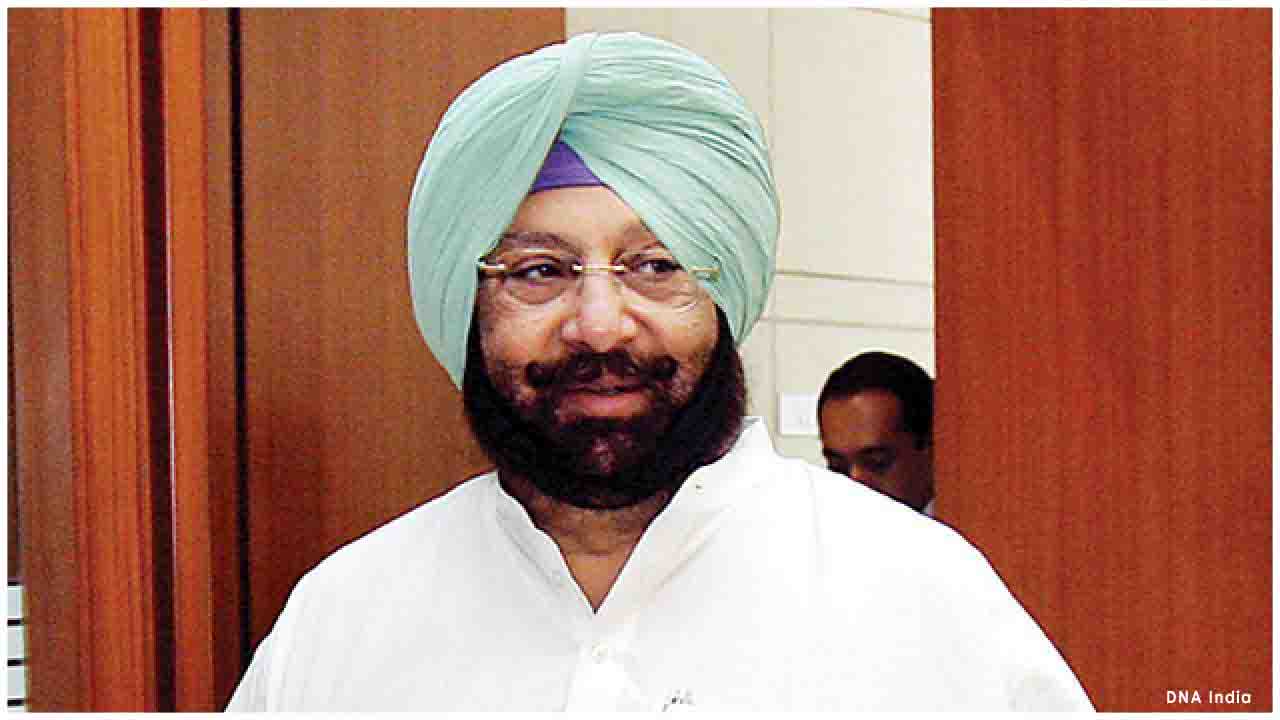
 Punjab Government orders strict lockdown and movement is only allowed by obtaining proper passes from COVA app




Punjab Chief Minister Captain Amarinder Singh has ordered lockdown on the weekends and public holidays, with movement to be restricted to e-passes holders. All citizens, except medical staff and essential service providers will be required to download e-passes from the COVA app. Chief Minister issued these directions at a Video Conference meeting to review the pandemic situation and the state’s preparedness to handle further spread. Industry, however, will be allowed to function normally on all days. Chief Minister has asked DGP Dinkar Gupta to ensure strict implementation of these directives to prevent gathering of large crowds.
The Chief Minister also asked medical and health experts to consider imposition of strict conditions, including mandatory testing certification, for entrants from Delhi, where Corona cases are rising sharply. On an average, 500-800 vehicles come to Punjab from the national capital every day.
Meanwhile, ICMR said India is not in community transmission stage of COVID-19. However, the country has to continue with effective surveillance and containment strategies.
This was stated by Director General of Indian Council of Medical Research, Dr Balram Bhargava while releasing India's first sero-survey on COVID-19 during a media briefing in New Delhi today. He said, India is such a large country and prevalence is very low.
Dr Bhargava informed that India's COVID-19 cases per lakh population is the lowest in the world and the number of deaths per lakh population is also amongst the lowest in the world.
The survey has found that lockdown and containment measures were successful in preventing a rapid rise in infections, but a large proportion of the population still remains susceptible. It has also found that 0.73 per cent of population in 83 districts where it was conducted had evidence of past exposure to coronavirus infection.
As per the survey COVID incidents are higher in urban slums. The survey was conducted in May this year. Its part one has been completed and part two is ongoing. Dr Bhargava said, since a large proportion of the population is susceptible and infection can spread, non-pharmacological interventions such as physical distancing, use of face mask or cover, hand hygiene, cough etiquette must be followed strictly.
Talking about the survey results, NITI Aayog Member and Head of an Empowered Committee on Medical Management Dr. V K Paul said the infection fatality rate is 0.08 per cent which is very low. He also said, the states can not lower their guard and need to keep on implementing effective surveillance and containment strategies.
Speaking on the occasion, the Health Ministry Representative said, the recovery rate of COVID-19 patients has improved to 49.21 per cent in the country. He said, the number of patients recovered presently exceeds the number of active COVID-patients.






.jpeg)










.jpg)
.jpg)
.jpg)
.jpg)
.jpg)
.jpg)


.jpg)