 Thursday, October 08, 2026
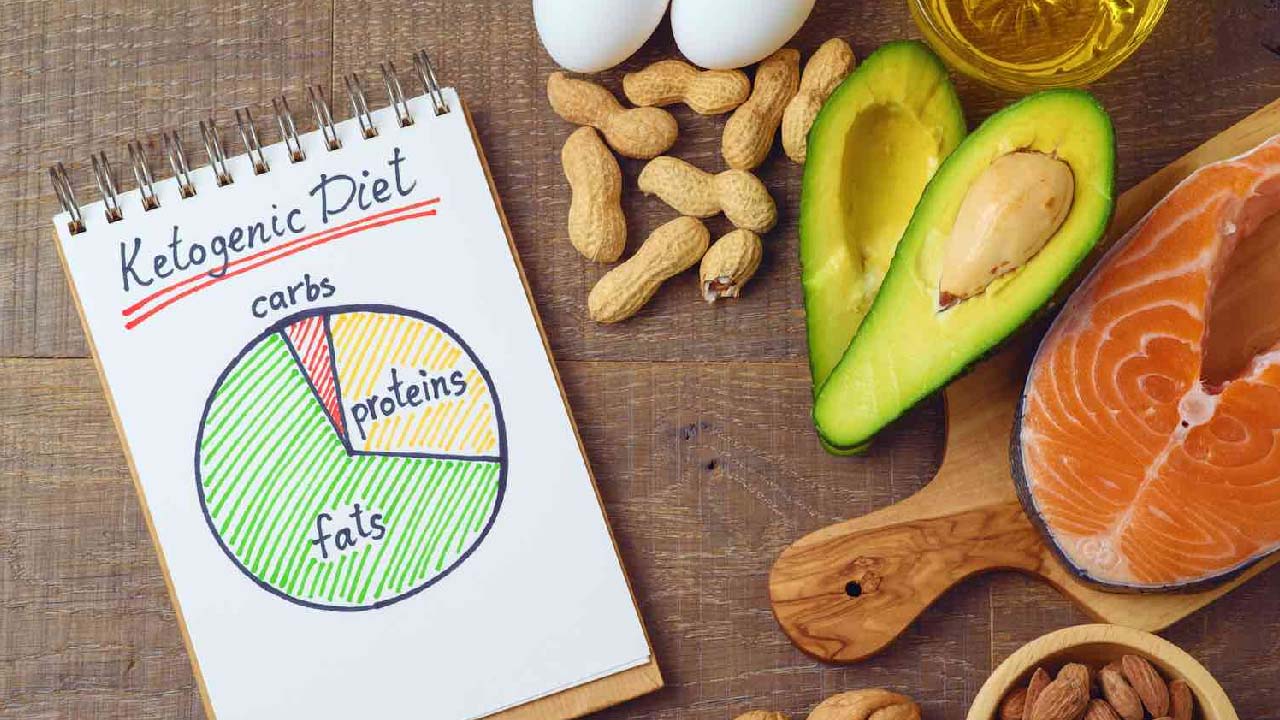
 The Keto diet has many benefits. It has to be taken care of while following a keto diet. Some precautions are very important. It is important to look into the keto diet for a healthy lifestyle.




Who should do Keto Diet?
If you are overweight and you want to lose weight, then you are advised to follow a ketogenic diet.
You Can Take Keto Diet In Certain Medical Conditions
- If you have epilepsy or you have epilepsy then you are advised to follow the Keto diet.
- If you have a brain problem then you can do a ketogenic diet.
- If you are having frequent acne problems, then a Ketogenic diet will fix your problem.
Important - But keep in mind that if you are obese but you have diabetes, especially if you have type 1 diabetes, then under no circumstances should a Ketogenic diet or Keto diet be taken.
Role or Importance of Keto Diet in Weight Loss
The ketogenic diet is mostly used for weight loss. This diet can help you lose weight in 3-6 months. We consume less carbohydrates and more protein and fat in this diet which changes our metabolism. Since we consume more protein and fat than carbohydrates, our body accepts protein and fat as an alternative fuel and our body fat slowly breaks down to form ketones.
When this changes, insulin use improves but insulin demand decreases. Because you are no longer eating more carbohydrates. As insulin demand decreases, so do metabolism. As a result, you lose weight.
Gives satiety if you consume more amount of fat and protein in your diet. As a result, your stomach feels full for a longer period of time, which leads to weight loss.
Role or Importance of Keto Diet in Cancer
Many studies have shown that if you use Keto Diet or Ketogenic Diet then you are less likely to get cancer. This is surprising, but scientifically it is happening.
The carbohydrates we eat make up the sugar in our body or blood. Insulin is responsible for the use or storage of sugar produced in our body or blood. A ketogenic diet tempts us to get used to it very quickly. The amount of carbohydrates we eat in a ketogenic diet is small, so our body uses these carbohydrates very quickly. If carbohydrates are quickly depleted, your body's need for insulin will decrease, which means your body will make less insulin and your body uses less insulin.





.jpeg)








.jpg)
.jpg)
.jpg)
.jpg)
.jpg)
.jpg)


.jpg)
.jpg)
.jpg)