 Sunday, September 20, 2026
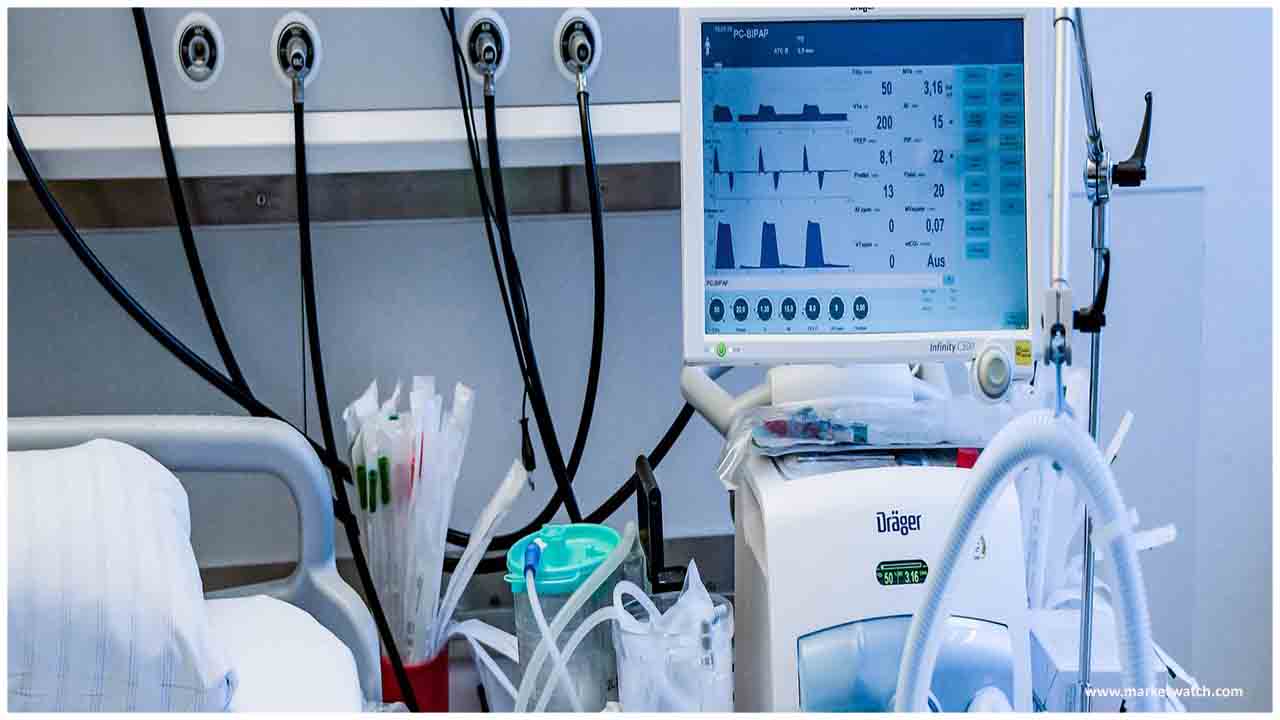
 Five people died at Saint George's Hospital in St Petersburg on Tuesday, including four in a coronavirus intensive care unit, according to a local lawyer




Moscow has started examining the security of a Russian-made clinical ventilator, some of which have been sent to the United States however not utilized after six individuals kicked the bucket in medical clinic fires answered to include two such machines.
Five individuals kicked the bucket at Saint George's Hospital in St Petersburg on Tuesday, remembering four for a coronavirus emergency unit, to a nearby legal counselor. A source told the TASS news office that the blast emitted after a ventilator used to help seriously sick COVID-19 patients inhale, burst into blazes in the ward.
A comparative fire - brought about by a similar model of the ventilator, as indicated by a law requirement source addressing TASS - killed one individual in an emergency clinic in Moscow on Saturday.
Roszdravnadzor, Russia's human services guard dog, said it would check the quality and security of the ventilators in the two medical clinics, and the St Petersburg emergency clinic said it would quit utilizing the model being referred to for the time being. In any event, two Russian districts revealed to Russian news offices they would likewise suspend utilization of the ventilators.
The producer asked individuals to abstain from racing to ends.
The model is referred to, the Aventa-M, was among those sent to the United States from Russia toward the beginning of April to help adapt to the coronavirus pandemic. It is made by a firm that is under U.S. sanctions.
The ventilators were never sent to medical clinics in the United States, said Janet Montesi, a representative for the U.S. Government Emergency Management Agency. The machines were conveyed to New York and New Jersey, the U.S. states hardest hit by the infection, however, "the smoothing bend implied these ventilators were not required," she said.
The states are restoring the ventilators to FEMA, and the examination by the Russian specialists will help the organization's choice on any future use, Montesi said.
The Ural Instrument Engineering Plant (UPZ) in Chelyabinsk, 1,500 km (930 miles) east of Moscow, affirmed that the Aventa-M was one of its items and had been provided to Saint George's Hospital.
"We have no official information about which gadgets were introduced in the zone of the (St Petersburg) fire," a representative included.
Russia is moderately all around supplied with ventilators and has expanded residential creation since the coronavirus flare-up.
Information specialists and a few surgeons state numerous machines being used outside Russia's enormous urban areas are old, yet TASS said the ventilator in St Petersburg was new and had been introduced for the current month.
Radio-Electronic Technologies Concern (KRET), which controls UPZ, said its ventilators had finished all the vital assessments and had been utilized by clinical offices in Russia since 2012 with no wellbeing concerns.
"We're taking a gander at various situations: the condition of the (power) arrange, the clinical establishments' designing foundation, the clinical hardware, and consistency with fire wellbeing rules," it said in an announcement. "We approach the media and other invested individuals not to race to ends and sit tight for the consequences of authentic checks."
US firms and nationals have been banned from working with KRET since July 2014.
Russia has announced 232,243 instances of the novel coronavirus and 2,116 deaths





.jpeg)




.jpg)



.jpg)
.jpg)
.jpg)
.jpg)
.jpg)
.jpg)


.jpg)
.jpg)
.jpg)
.jpg)