 Thursday, October 08, 2026
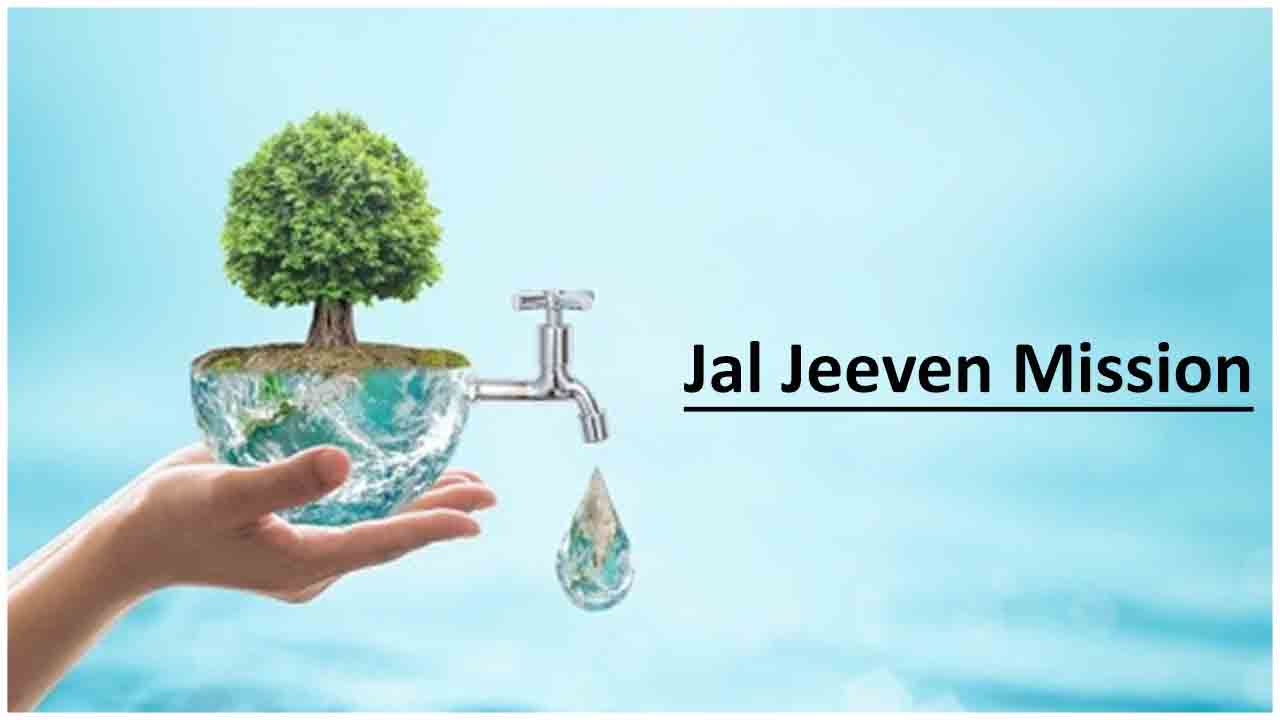
 Will monitor water supply i.e. potable water in adequate quantity and of prescribed quality




Gujarat is all set to implement a sensor-based service delivery monitoring system in the rural drinking water sector under the Jal Jeevan Mission (JJM). The pilot is already underway in two districts of the state so as to monitor the functionality of water supply i.e. potable water in adequate quantity and of prescribed quality being provided to every rural household on regularly on a long-term basis.
Gujarat, primarily a water-stressed state, has dealt with the crisis with a very strategic approach so far. The state already has good community involvement in drinking water supply management, which kick-started in 2002 through the Water and Sanitation Management Organisation (WASMO). Having a strong foundation, the state recovers around 70% of annual O&M expenditure from the community in the form of water service charges.
A meeting of State officials with the Department of Drinking Water & Sanitation was held yesterday on the finalisation of the Annual Action Plan for providing household tap connections to rural households for the FY 2020-21. Out of 93.6 lakh rural households in the State, 65 lakh (70%) are already having household tap connections. The state plans to provide 11.15 lakh household tap connections in rural areas in 2020-21. The state has prepared a plan taking into account the difficulty being faced in achieving the Functional Household Tap Connections (FHTCs). The remaining areas are having large cattle populations, hilly terrain with low population density, coastal areas with high salinity, areas having a low level of surface water resources & also including areas with perennial large water sources. Gujarat state has set the target year of 100% coverage by the year September 2022.
The state is giving substantial thrust on capitalizing on ‘low-hanging fruits’ i.e. in the villages/ habitations where piped water supply schemes already exist, to yield the desired results. The state plans to immediately provide FHTCs to all remaining households of weaker sections on priority. A defined roadmap is also charted for the effective implementation of the Village Action Plan (VAP) with the active participation of the rural community.
The JJM announced by the Prime Minister Shri Narendra Modi last year aims to provide tap water connections to 18 Crore rural households of the country by the year 2024. This ambitious scheme is benefitting all the states as the States/ UTs are working hard to ensure every rural household gets water tap connection.
Owing to the current situation of COVID-19 pandemic, water has to be made available for all, for which the Government of India has issued an advisory to states to take up works related to the water supply on priority. Henceforth, a proper plan by Gram Panchayats and Villages is needed to ensure that household taps are made available in rural households. This will ensure drinking water in household premises and also facilitate social distancing by minimizing crowd in public stand-posts.





.jpeg)








.jpg)
.jpg)
.jpg)
.jpg)
.jpg)
.jpg)


.jpg)
.jpg)
.jpg)