 Sunday, October 11, 2026
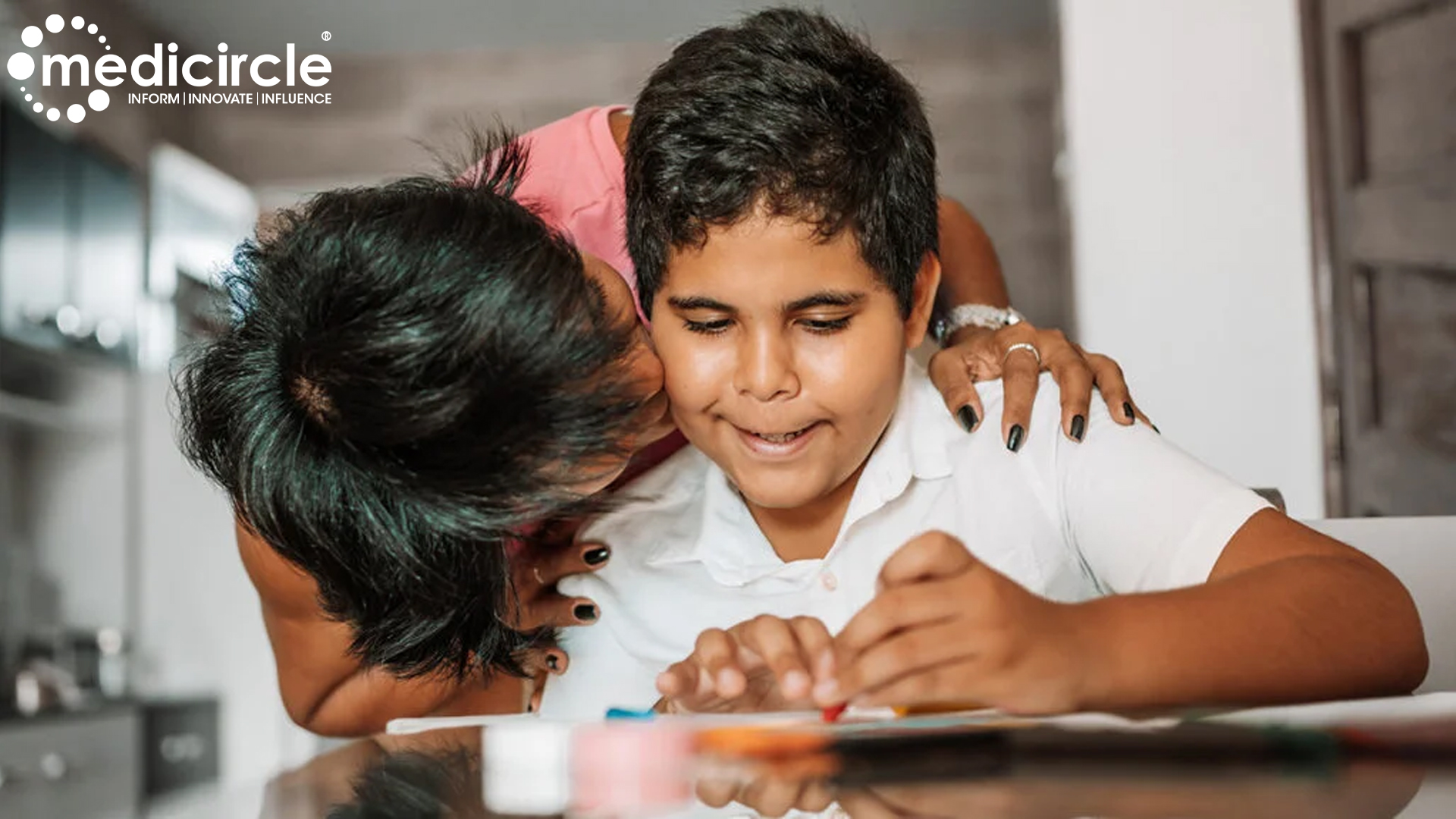
 Through collaborative efforts and community initiatives, we can work towards creating a more inclusive and supportive environment for individuals with autism and their families.




April 2nd marks World Autism Awareness Day, a day dedicated to raising awareness about autism spectrum disorder (ASD) and promoting acceptance and inclusion for individuals living with autism. As we observe this important day, it’s crucial to shed light on the prevalence of autism in India and the challenges faced by individuals and families affected by this condition.
According to a reports, approximately 18 million people in India are diagnosed with autism. This statistic showcases the significant impact of autism on the population and highlights the need for increased awareness, support, and resources for individuals with autism and their families across the country.
Autism spectrum disorder (ASD) is a developmental disorder that affects communication, social interaction, and behaviour. It is a complex condition with varying degrees of severity, ranging from mild to severe. Children with ASD may exhibit challenges in social communication, repetitive behaviours, sensory sensitivities, and difficulty adapting to change.
The report further reveals that about 1 to 1.5 percent of children aged two to nine years are diagnosed with ASD in India. This prevalence rate emphasizes the importance of early detection and intervention to support children with autism in reaching their full potential and improving their quality of life.
Early diagnosis and intervention play a crucial role in improving outcomes for individuals with autism. With early intervention services such as speech therapy, occupational therapy, behavioural therapy, and educational support, children with autism can develop essential skills and abilities to navigate the challenges associated with the condition.
However, despite the growing awareness and understanding of autism, there are still significant gaps in access to diagnosis, treatment, and support services for individuals with autism in India. Many families face barriers in accessing specialized care and therapies due to factors such as financial constraints, limited availability of services in rural areas, and societal stigma surrounding autism.
As we commemorate World Autism Awareness Day, it is essential to advocate for greater investment in autism research, education, and support services. By raising awareness, reducing stigma, and fostering a more inclusive society, we can create a world where individuals with autism are valued, supported, and empowered to lead fulfilling lives.
In addition to providing support for individuals with autism, it is crucial to offer support and resources for their families and caregivers. Caring for a child or family member with autism can be challenging and overwhelming, and caregivers often require assistance and guidance in navigating the complexities of the condition.
Organizations, government agencies, and advocacy groups play a vital role in promoting autism awareness and providing support services for individuals and families affected by autism. Through collaborative efforts and community initiatives, we can work towards creating a more inclusive and supportive environment for individuals with autism and their families.
On World Autism Awareness Day and every day, let us join together to promote acceptance, understanding, and inclusion for individuals with autism. Together, we can make a positive difference in the lives of those affected by autism and build a more compassionate and inclusive world for all.





.jpeg)










.jpg)
.jpg)
.jpg)
.jpg)
.jpg)
.jpg)


.jpg)