Tuesday, October 06, 2026
 The vaccine will be administered without proper safety levels verified




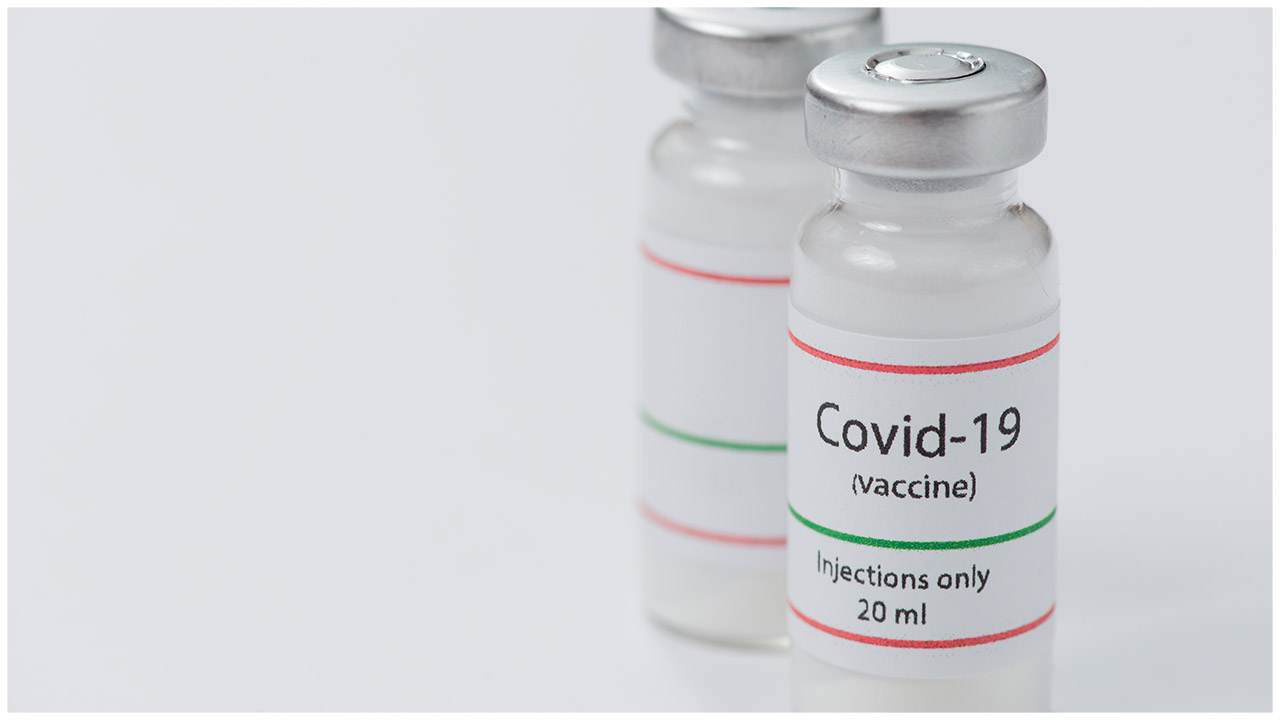
Russian state media has reported that Sputnik V, the ‘first registered COVID-19 vaccine’ on the planet was launched for public distribution on Monday, 7 September 2020 to the nation’s inhabitants.
Developed by the Russian Gamaleya National Research Center of Epidemiology and Microbiology below Russia’s Ministry of Health of Russia, the vaccine was launched on 11 August. The first batch of the Gam-COVID-Vac (Sputnik V) vaccine in opposition to COVID-19 has handed the mandatory high quality checks within the laboratories of Roszdravnadzor (medical gadget regulator) and has been launched into civil circulation, the Health Ministry stated, as per a report by Sputnik News.
“[The vaccine] examination is to start inside days… There is a sure process of authorizing a batch for civilian use. It should go the standard examine of the medical watchdog Roszdravnadzor,” Denis Logunov, director for analysis at Gamaleya Institute and the affiliate member of the Russian Academy of Sciences stated, as per a TASS report on 3 September.
“….between 10-13 September, we’re to acquire permission to launch a batch of the vaccine for civilian use. Respectively, from that second on the inhabitants will start to be vaccinated,” he added.
The Health Ministry will overlook the distribution of the vaccine, and as per the Russian Health Minister Mikhail Murashko, these teams most at-risk for COVID-19 – medics and academics – might be vaccinated first.
“The vaccine’s registration permits for vaccinating the entire inhabitants, however the high-risk teams will come first. There aren’t any restrictions so far as others are involved, however the Health Ministry has set a job of defending the danger teams within the first place,” Logunov stated.
While Phase I and II of the medical trials for the vaccine have been accomplished, part III remains to be pending. Russia solely performed the trials on 38 members, who had been adopted for 2 months, which consultants consider is a far too small quantity for a research. The World Health Organization has additionally but to approve the vaccine for human use.
WHO spokesperson Tarik Jasarevic stated that “Every nation has nationwide regulatory companies that approve the usage of vaccines or medicines on its territory,” which for Russia is the Roszdravnadzor.
But Jasarevic added that “WHO has in place a means of pre-qualification for vaccines but in addition for medicines. Manufacturers ask to have the WHO pre-qualification as a result of it’s a type of stamp of high quality. To get this, there’s a evaluation and evaluation of all required security and efficacy information which are gathered via the medical trials. WHO will do that for any candidate vaccine.”
With regard to the third part of the medical trials, the top of the Russian Direct Investment Fund (RDIF) Kirill Dmitriev stated that medical trials for part III will start in Saudi Arabia, United Arab Emirates (UAE), the Philippines, India and Brazil in September and can embrace 40,000 members.
Russian officers are in shut contact with the Indian authorities and main drug manufactures in India, to start localized manufacturing of its Sputnik V vaccine in India. Dmitriev informed ANI in an interview that Russia and India are already in talks concerning the manufacturing of the Sputnik V vaccine to fulfill the demand for the vaccine in India in addition to in different nations.
Dmitriev informed CNBT TV18 that if all goes effectively, Russia might begin delivering COVID-19 vaccine from November this 12 months, with some 30 crore doses produced in India.






.jpeg)
.jpg)
.jpg)
.jpg)
.jpg)
.jpg)
.jpg)


.jpg)
.jpg)
.jpg)
.jpg)
.jpg)
.jpg)