 Thursday, October 08, 2026
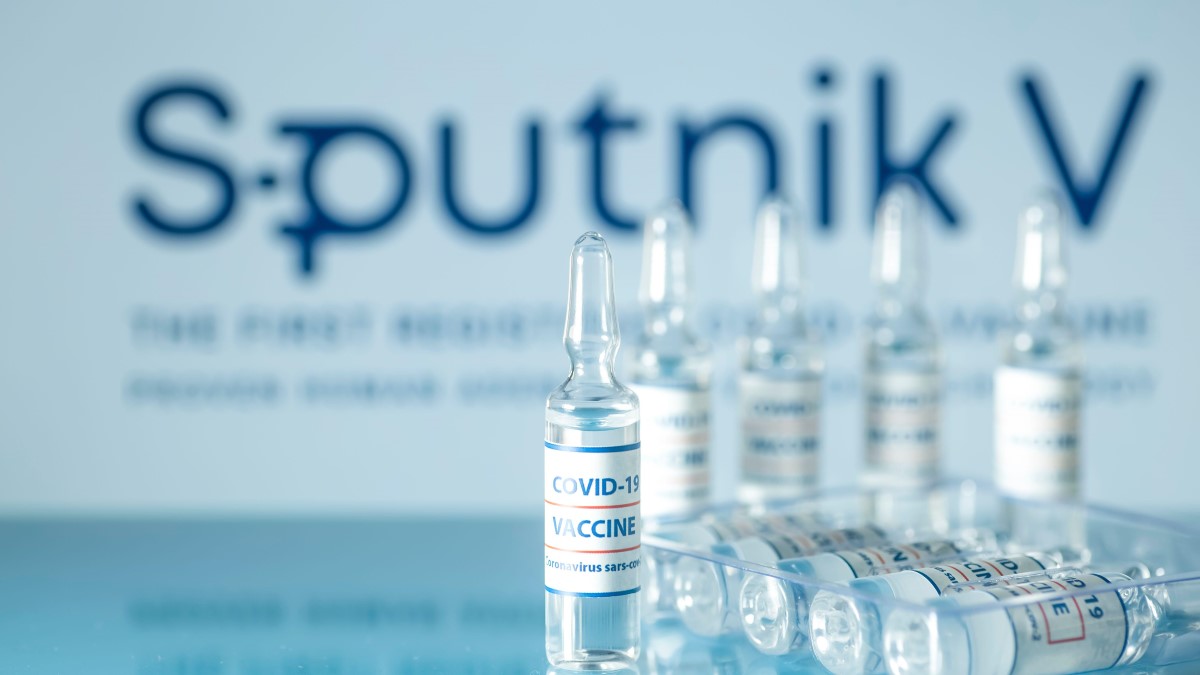
 The supply of the third vaccine is bound to strengthen the Covid-19 vaccination drive across the country.





India on Monday approved Russian jab Sputnik V as the third Covid-19 vaccine for restricted use in the country. The vaccine was developed by the Gamaleya Research Institute (GRI) of Russia, and funded and promoted outside by the Russian Direct Investment Fund (RDIF).
In India, the RDIF's partner is Dr Reddy's Laboratories, which conducted clinical trials - mandatory for approval - India. Sputnik-V became the first vaccine to be announced last year for protection against Covid-19.
It works on complex biotechnology in which another virus is employed to carry the DNA code required for triggering an immune response in human cells. Sputnik V's approval has come at a time when the country is reeling under a shortage of existing two vaccines - Covishield and Covaxin.
India has a combined production capacity of around 6.40 crore doses a month of the two approved vaccines in a month. Covishield-maker Serum Institute of India (SII) is shouldering the major burden as the other vaccine-manufacturer, the Bharat Biotech has a limited capacity of 40 lakh doses a month.
Several states have flagged in recent days that both Covishield and Covaxin are in short supply. Reports of vaccination centres from Varanasi in Uttar Pradesh to Mumbai in Maharashtra appeared last week.
Vaccine shortage became an issue of a political fight between the Centre and the Opposition-ruled governments in the backdrop of the second wave of Covid-19 pandemic wreaking havoc in at least 10 states. Maharashtra, Delhi, Chhattisgarh, Punjab, Madhya Pradesh, Kerala, and Uttar Pradesh are among severely impacted states.
The supply of the third vaccine is bound to strengthen the Covid-19 vaccination drive across the country.
Sputnik V, named after the first Soviet space satellite, showed a better efficacy during trials compared to the vaccines already in use in India. Both Covishield and Covaxin showed the efficacy of around 81 per cent in the trials, Sputnik V returned with 91-92 per cent efficacy.
On the production front, the Russian Direct Investment Fund (RDIF) has tied up with Indian pharmaceutical firms such as Dr Reddy's Laboratories, Hetero Biopharma, Gland Pharma, Stelis Biopharma and Vichrow Biotech for the manufacturing the vaccine doses.
These firms jointly have an annual production capacity of 850 million doses for Sputnik V. This makes Sputnik V's approval a big shot in the arm in the fight against the Covid-19 pandemic.
It is expected that the doses of the Sputnik V vaccine will be available at vaccination centres by June this year. There are at least four more vaccines that are expected to get approval from the Drug Controller General of India (DCGI) by the year-end.






.jpeg)








.jpg)
.jpg)
.jpg)
.jpg)
.jpg)
.jpg)


.jpg)
.jpg)
.jpg)