 Thursday, November 19, 2026
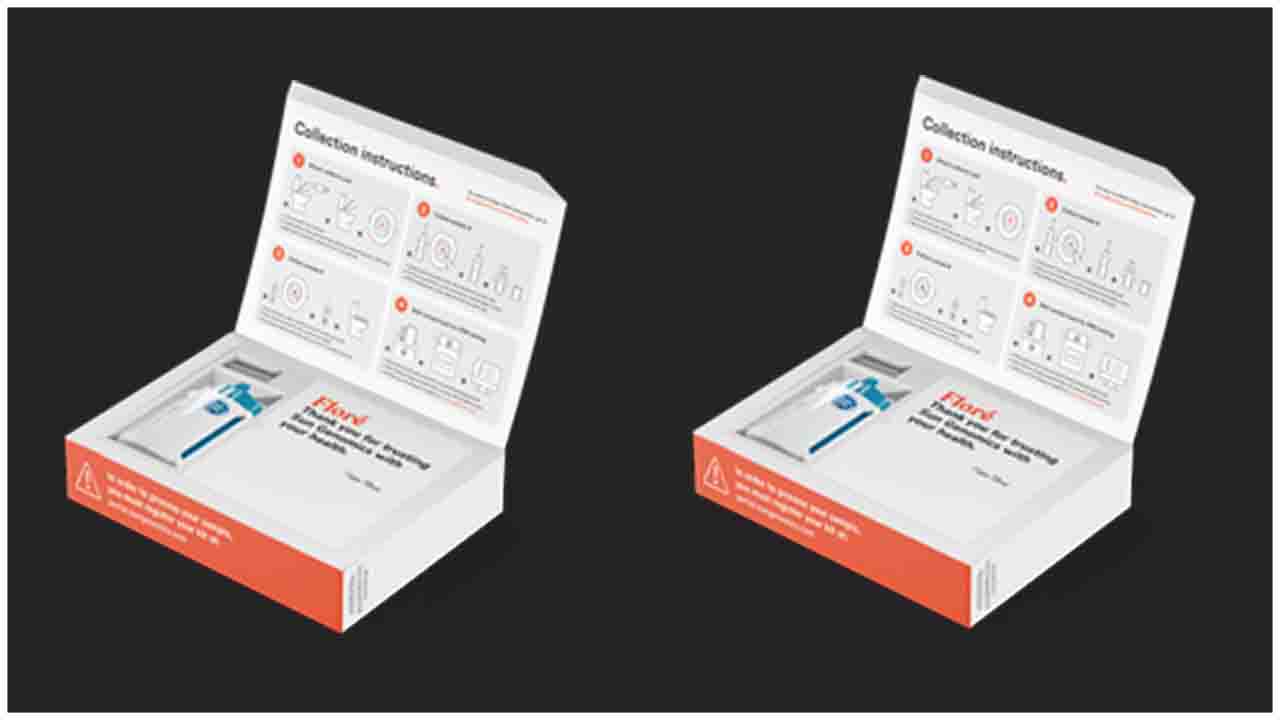
 Sun Genomics, the direct-to-consumer custom probiotics, and gut health company announce the launch of its at-home Floré Labs COVID-19 Stool Test.





Sun Genomics, the direct-to-consumer custom probiotics, and gut health company announce the launch of its at-home Floré Labs COVID-19 Stool Test, available this week, to identify whether an individual has viral shedding of the SARS-CoV-2 Virus and therefore risk long hauler symptoms or potentially contagious.
New data, including that performed by Sun Genomics, show the Virus can be shed in the stool for up to 28 days. This indicates that once infected, even a negative Virus test result does not guarantee one is not contagious.
Sun Genomics’ COVID-19 Assay, designed and optimized by the company’s team of microbiologists, is performed using an RT-qPCR methodology approved by the Center for Disease Control. The analysis begins with an RNA extraction from one’s stool sample using an in-house CLIA approved technique. Within the results, there are identifiable markers that allow for COVID-19 detection.
“As we head into the holidays and people take extra precautions before seeing loved ones, it’s not only a question whether a person has tested negative for the Virus, but also to understand whether they may be a risk of COVID long hauler symptoms,” said Sunny Jain, founder, and CEO, Sun Genomics. “There have been significant advancements in the field of rapid testing of nasal passages and saliva, and they play an important role in flattening the curve and reducing the spread of the Virus. Our stool test for COVID-19 will play just as an important role for individuals who are looking to safely visit family, return to work or school, or reduce future side-effects.”
“While the stool testing process for COVID-19 differs from our traditional gut microbiome analysis, we feel uniquely well-positioned to develop and commercialize this cutting edge test,” said Philip Cotter, Ph.D., Regulatory, Commercialization, and Clinical Testing at Sun Genomics. “The CLIA lab certification was a critical step in making this test possible and we’re keen to see the possibilities this accreditation brings to future opportunities at Sun Genomics.”
The new test, which delivers results in three days, is available for purchase via Sun Genomics’ website for $129, or $79 when bundled with the Floré Gut Test.
About Sun Genomics
Sun Genomics is a first-of-its-kind, custom probiotics startup with the mission to improve gut health through personalized science. The company’s first consumer product, Floré, allows consumers to analyze the microflora of their stool and uses the results to craft a custom probiotic. Through DNA sequencing, Floré formulates the right probiotics for each customer’s specific needs and delivers it directly to their door. Sun Genomics has created the first feedback loop to allow customers to see their probiotics show up on their report, through a retest, and allows customers to improve their microflora over time.




-23-300x250.png)





















