 Monday, October 05, 2026
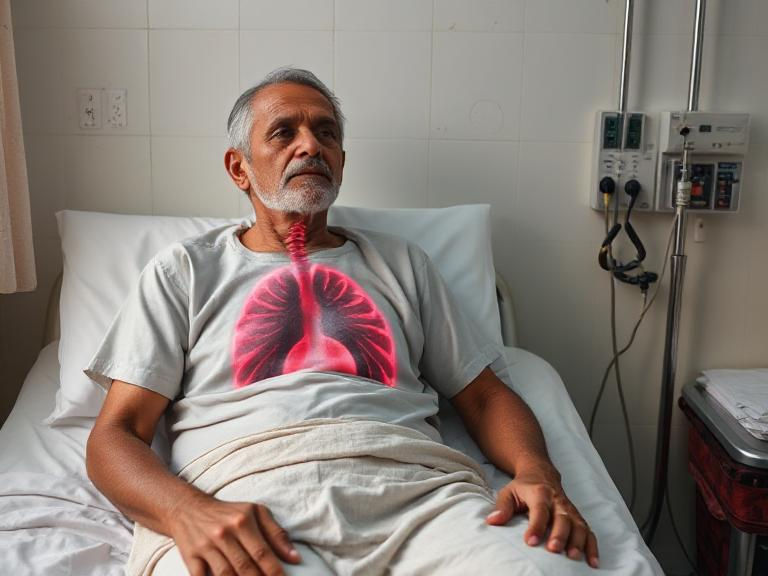
 Undernutrition isn’t just a risk factor—it’s the fuel that drives TB. When families struggle to afford nutritious food, their immune defenses weaken, creating the perfect conditions for TB to take hold and spread




Despite medical advancements, TB remains a leading cause of death in India, with rising cases linked to air pollution, undernutrition, and delayed care due to stigma. Early testing, government programs, vaccination, and public awareness are crucial to controlling its spread and improving treatment outcomes.
The world Tuberculosis day that falls on March 24 is a moment to reflect on the ongoing struggle against a disease that continues to pose significant public health challenges in the country. Despite medical advancements and large scale elimination strategies by the governments, TB remains a leading cause of morbidity and mortality in developing nations like India.
India bears a substantial burden of TB cases globally. According to the WHO Global TB Report 2023, India reported 2.8 million new TB cases in 2022, a 13% rise from pre-pandemic levels. An estimated 340,000 Indians die yearly from TB—equivalent to 930 daily deaths.
Why TB Spreads:
Air pollution emerges as major risk factor
Recent studies suggest that air pollution is playing a significant role in increasing the risk of TB infection and exacerbating the disease.
A 2022 study published in The Lancet Planetary Health reported that long-term exposure to PM2.5 significantly increases TB incidence. Research conducted in Delhi and Mumbai—two cities with high air pollution—also showed that TB prevalence is higher in areas with poor air quality.
Another study from BMC Public health (2024) showed that the Indoor Air Pollution (IAP) contributed up to 26% in TB infection, in addition to other socioeconomic and environmental factors.
"Many Indians carry Mycobacterium tuberculosis in a latent (inactive) form. Exposure to high levels of air pollution can trigger the activation of latent TB by impairing lung function and immune responses, leading to active TB disease. For TB patients, air pollution can worsen lung inflammation, making it harder for them to recover even with proper treatment," Dr. Akshay Budhraja, Senior Consultant & HOD, Respiratory & Sleep Medicine, Aakash Healthcare.
Poverty & Malnutrition
A study published in The Lancet 20 22 revealed that 45% of TB patients in India are undernourished. Malnutrition weakens immunity, making individuals 3–4 times likelier to develop active TB.
“Undernutrition isn’t just a risk factor—it’s the fuel that drives TB. When families struggle to afford nutritious food, their immune defenses weaken, creating the perfect conditions for TB to take hold and spread” Dr Neetu Jain, Senior Consultant, Pulmonology, PSRI Hospital
Factors that exacerbate TB
Stigma & Delayed Care
Many people with TB fear being judged, ostracized, or even losing their jobs or social standing. In many communities. They hesitate to seek medical help, allowing the disease to progress and spread to others.
"Fear of discrimination forces many to hide symptoms. Patients often seek help only when coughing blood. Early diagnosis is crucial in controlling TB. Many delay seeking medical attention due to stigma, leading to advanced disease stages that are harder to treat" Dr. Manav Manchanda, Director and Head of Respiratory, Critical Care, and Sleep Medicine at Asian Hospital
Precautions, Preventions & Treatment:
Early Testing: Sputum tests and molecular diagnostics are available at health centres for free
Govt programs: Free 6–9 month drug regimens from DOTS cure 85% of cases, but drug-resistant TB (1.5 lakh cases in 2022) complicates treatment. Meanwhile, The Nikshay Poshan Yojana provides Rs 500 monthly to patients for food.
Vaccination: The Bacille Calmette-Guérin (BCG) vaccine is administered to infants in high-risk areas to provide protection against severe forms of TB.
Public Awareness: Educational campaigns to inform the public about TB transmission, symptoms, and the importance of completing treatment regimens.
Infection Control: Implementing proper ventilation in crowded places and using protective measures in healthcare settings to reduce transmission.
"Tuberculosis affecting the central nervous system is a serious yet often overlooked complication. Tuberculous meningitis (TBM) is its most severe neurological manifestation, characterized by meningeal inflammation, elevated intracranial pressure, and a high risk of long-term neurocognitive impairment. If not diagnosed and treated promptly, TBM can lead to devastating outcomes, including strokes, hydrocephalus, and irreversible brain damage," Dr Praveen Gupta, Principal Director & Chief of Neurology, Fortis Hospital
"One of our biggest hurdles is ensuring patients complete their treatment which typically involves a combination of antibiotics taken over six to nine months. Interruptions can lead to drug resistance, making the disease more lethal and harder to cure,” Dr Sushrut Ganpule, Consultant - Chest Medicine, Jupiter Hospital, Baner, Pune.






.jpeg)
.jpg)
.jpg)
.jpg)
.jpg)
.jpg)
.jpg)







.jpeg)

.jpeg)


.png)