 Thursday, October 08, 2026
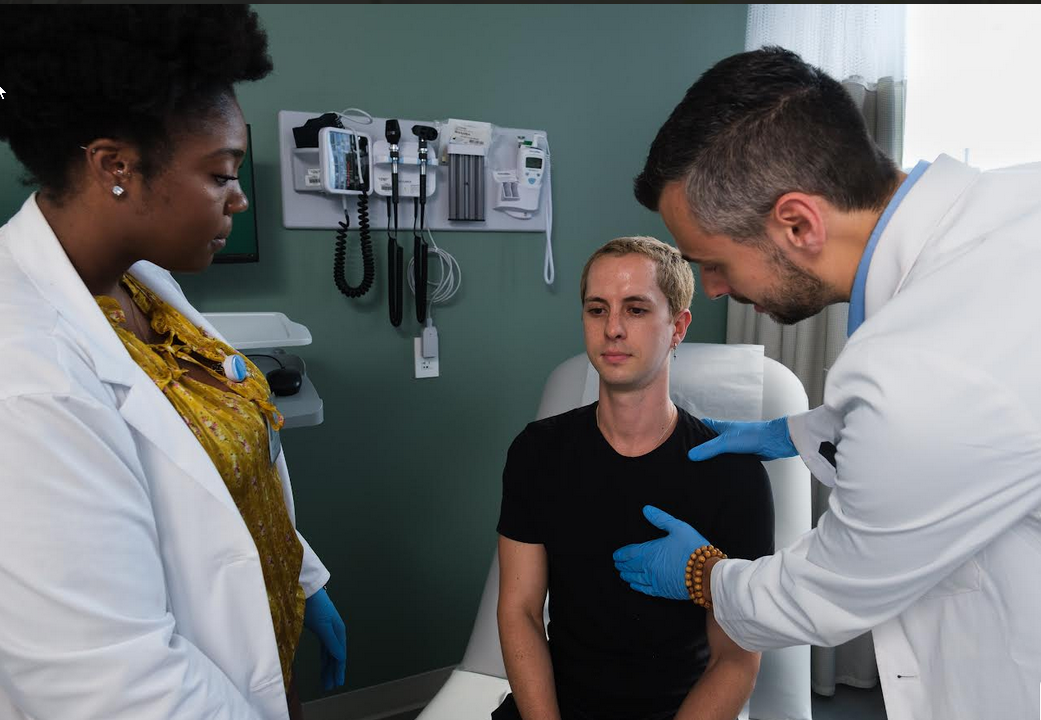
 The fight against TB is far from over, but with sustained efforts, innovative solutions, and global solidarity, the vision of a TB-free world is within reach.




India, Bangalore, March 20, 2025: Tuberculosis (TB) remains one of the deadliest infectious diseases in the world, and India is at the epicenter of this crisis. According to the Global Tuberculosis Report 2024, India accounted for 26% of global TB cases and deaths in 2023, making it the country with the highest TB burden. Despite significant medical advancements, TB continues to thrive in communities with limited healthcare access, delayed diagnosis, and social stigma.
In this article, St. George’s University (SGU) School of Medicine in Grenada, West Indies highlights the global burden of TB and the critical role of preventive measures in combating the disease. With early detection, preventive strategies, and sustained public health efforts, India has the potential to turn the tide against TB and move closer to its goal of eliminating the disease.
The Global Burden of TB
The World Health Organization (WHO) estimates that tuberculosis (TB) claimed approximately 1.25 million lives in 2023, with the burden falling disproportionately on low- and middle-income countries. South Asia and sub-Saharan Africa are among the hardest-hit regions, with India, Indonesia, China, the Philippines, and Pakistan collectively accounting for over half of all TB cases worldwide. This significant regional disparity underscores the urgent need for targeted interventions and improved healthcare access in high-burden areas.
The persistence of TB is largely due to socio-economic factors, including poverty, malnutrition, and inadequate healthcare infrastructure. In many high-burden countries, delayed diagnosis and treatment gaps allow TB to spread unchecked. Multidrug-resistant tuberculosis (MDR-TB) and extensively drug-resistant tuberculosis (XDR-TB) are both serious forms of tuberculosis (TB) that are caused by drug-resistant bacteria, further worsening the situation. Drug-resistant TB poses serious global health threats, making it even more critical to strengthen healthcare systems and ensure timely diagnosis and treatment.
Key Preventive Measures
- Early Screening and Regular Testing
Routine TB screening, especially in high-risk populations, can significantly reduce transmission. Mass screening programs in densely populated areas and among vulnerable groups such as people with HIV, healthcare workers, and those with a history of TB exposure can aid in early detection.
- Strengthening Immunization
The Bacillus Calmette-Guérin (BCG) vaccine has been instrumental in preventing severe TB forms in children. While it does not provide complete immunity, ensuring that all newborns receive the BCG vaccine is a crucial preventive measure. Research into more effective vaccines is ongoing and should be prioritized.
- Improved Living Conditions and Nutrition
Malnutrition weakens the immune system, increasing susceptibility to TB. Addressing malnutrition through government-led food security programs, improving sanitation, and ensuring better living conditions can reduce TB transmission rates.
- Awareness Campaigns and Community Engagement
Educating communities about TB symptoms, transmission, and treatment options is essential to preventing its spread. Public health campaigns should focus on encouraging people to seek medical care early and complete their treatment regimens. Community-based interventions, where local leaders and healthcare workers work together to spread awareness, have proven to be effective.
- Infection Control in Healthcare Settings
Hospitals and clinics must adopt stringent infection control measures, including proper ventilation, use of protective masks, and patient isolation protocols. Ensuring that healthcare facilities are equipped to handle TB cases safely can prevent hospital-based transmission.
The Road Ahead
To eliminate TB as a public health threat, a multi-pronged approach is required. Governments must prioritize TB control by investing in healthcare infrastructure, ensuring access to affordable diagnostics and treatments, and addressing socio-economic determinants of the disease. Strengthening global partnerships, advancing research on new TB vaccines and drugs, and integrating TB programs with broader healthcare initiatives will be crucial in achieving long-term success. In line with this, St. George’s University (SGU) as a medical school is committed to training future healthcare professionals to tackle global health challenges, including TB. By equipping students with the knowledge and expertise to work in high-burden regions, SGU plays a crucial role in the fight against TB through education and medical training.
The fight against TB is far from over, but with sustained efforts, innovative solutions, and global solidarity, the vision of a TB-free world is within reach.
For more information on the programs and tracks available through SGU School of Medicine, visit SGU’s website.
–ENDS–
About St. George’s University School of Medicine:
Founded in 1976, St. George's University (SGU) is a center for academic excellence worldwide. With students and faculty drawn from more than 150 countries, SGU is truly an international institution, with a uniquely global perspective. The SGU School of Medicine is accredited by the Grenada Medical and Dental Council which has been recognized by the World Federation for Medical Education (WFME). The school offers a four-year Doctor of Medicine (MD) degree program. Students can also enter the MD degree program from many education systems around the world via the five-, six-, or seven-year tracks. SGU has a large network of 75+ affiliated hospitals and health centers in the US and UK, with the unique opportunity for students to begin their medical career in Grenada or the UK.






.jpeg)










.jpg)
.jpg)
.jpg)
.jpg)
.jpg)
.jpg)


.jpg)