 Tuesday, October 27, 2026
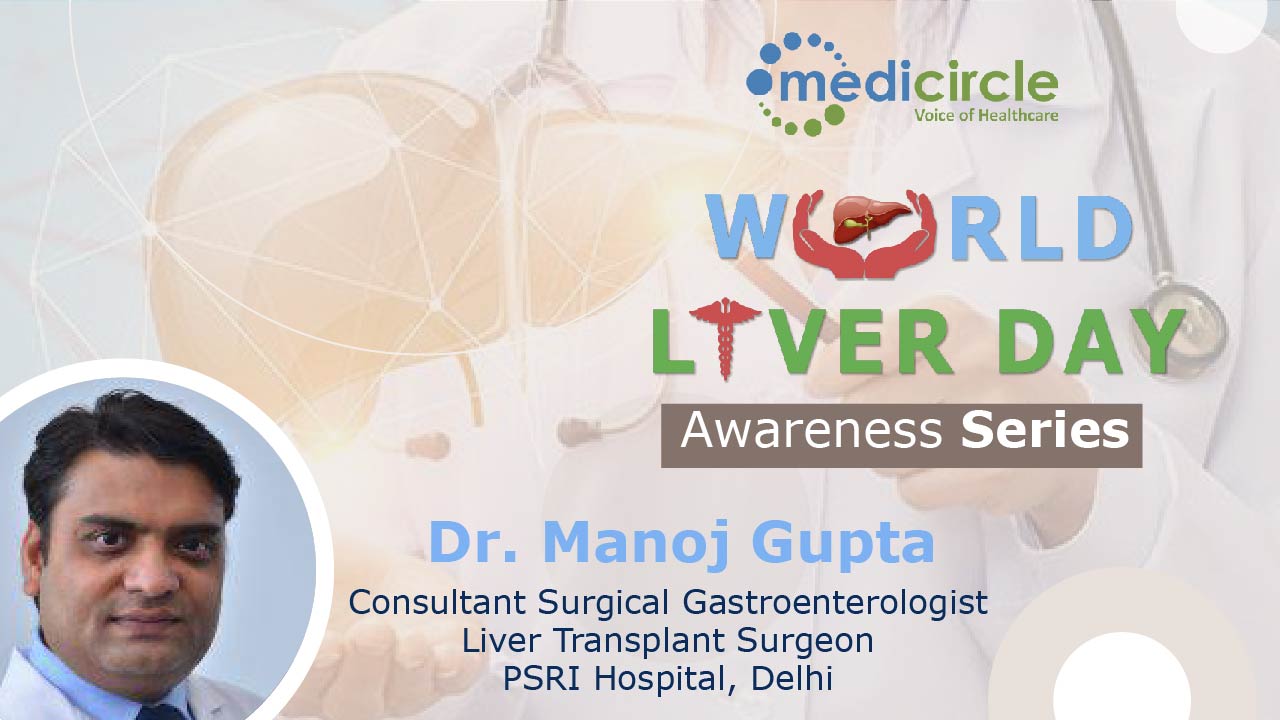
 “Fatty liver disease is a preventable disease. Maintaining a healthy active lifestyle, avoiding oily spicy food, weight reduction, and regular workout are some of the preventable methods,” informs Dr. Manoj Gupta, Consultant Liver Transplant and Surgical Gastroenterologist





The liver is the second largest organ in our body and should be given the same importance as the brain and the heart. It is a key player in the body's digestive system. The liver functions are very important in our body and contribute to the digestive functioning for effective metabolism. Over the past decades, there has been a steady rise in the number of cases of liver disease. World Liver Day is observed on the 19th of April every year. At Medicircle, we present you World Liver Day Awareness Series, wherein we are speaking to eminent Gastroenterologists and Hepatologist to build awareness about the healthy functioning of the liver.
Dr. Manoj Gupta is a Consultant Liver Transplant and Surgical Gastroenterologist in PSRI Hospital Lukhnow. He has done MBBS from KGMU, Lucknow, and MS from SNMC, Agra. He did his fellowship in Liver Transplant from Indraprastha Apollo Hospital. He has been associated with Sir Ganga Ram Hospital and Jaypee Hospital in the past. He has privileged to work with pioneers in the field of Surgical Gastroenterology and Liver Transplant. His areas of interest are laparoscopic, GI, and HPB surgeries and desire to start laparoscopic robotic donor hepatectomy in the future.
Liver is the only organ that can regenerate
Dr. Manoj talks, “liver is a beautiful friendly organ. It is the only organ in the body that has the capacity to regenerate itself. Symptoms of unhealthy liver arise only when the liver is affected very badly to a great extent. Early stage symptoms include lethargy, loss of appetite, loss of weight, fatigue. Later there can be symptoms of Jaundice, swelling over feet, blood in vomiting, blood in stools. In some advanced cases, the patient can have some altered sensorium and can go to coma also.”
Fatty liver disease is preventable
Dr. Manoj expresses, “If you are having a good appetite, not having any of these symptoms, don’t have any co-morbidities, then I don’t recommend for the regular test. But if you have any of these symptoms, you should visit your doctor for sure. They can prescribe some routine blood tests in the form of a liver function test. You can have some routine ultrasound done just to see the status of your liver.”
Dr. Manoj stresses, “Fatty liver disease is prevailing these days. If you're having fatty liver along with derangement of your liver test, then I will suggest you for treatment. If you have any comorbidity along with fatty liver like diabetes, hypertension, then also you should visit a doctor for treatment. It is a preventable disease. Maintaining a healthy active lifestyle, avoiding oily spicy food, weight reduction, and regular workout are some of the preventable methods.”
No need for any Supplement
Dr. Manoj advises, “There is no need for any supplement if you are maintaining a good healthy lifestyle, maintaining good hydration, and having a balanced diet that includes fruits and vegetables and other important nutrients.”
(Edited by - Renu Gupta)




-23-300x250.png)

.jpeg)






.jpg)
.jpg)
.jpg)
.jpg)
.jpg)
.jpg)
.jpg)
.jpg)
.jpg)

