Tuesday, October 06, 2026
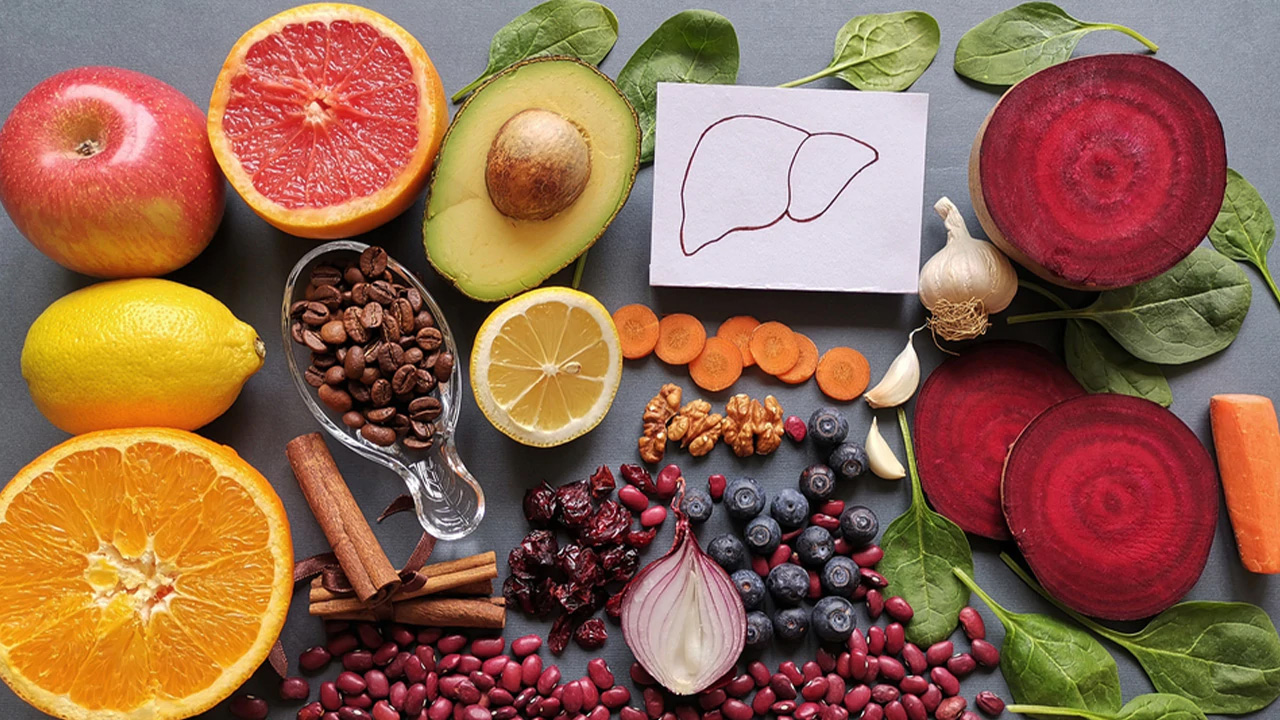
 The liver is one of the vital organs of the body. It acts as a filter system, helps your body filter out all toxins, and stores nutrients from the foods you eat. Eating liver-friendly food will help reduce the damage caused by liver diseases. Take a look at some of the liver-friendly foods.





The liver is one of the vital organs of the body. It performs several functions of the body. It acts as a filter system, helps your body filter out all toxins, and stores nutrients from the foods you eat. Medical conditions like cirrhosis and hepatitis disable your liver to filter nutrients and waste as it should. Eating liver-friendly food will help reduce the damage caused by liver diseases. Here is a list of liver-friendly foods
Coffee – Studies revealed that coffee consumption decreases the risk of cirrhosis, cancer, and fibrosis in the liver. Limited consumption of coffee may even help to lessen the speed of liver damage due to a bad lifestyle. Drinking coffee cuts down the risk of developing fatty liver disease by 20%. You can have coffee once a day in limited quantities, and avoid adding sugar or artificial sweetener. Try swapping dairy milk with almond milk.
Oily fish – Fish can be beneficial for liver health. Oily fish such as salmon have anti-inflammatory properties. This also decreases the fat buildup in the liver. Oily fish is good in omega-3 fatty acids that are good for heart health and the brain. Eating oily fish twice a week minimizes the risk of liver cancer, the risk decreases by 54%.
Walnuts – These are full of nutrition and also contain healthy fats. Nuts also reduce the incidences of liver diseases. Walnuts are most beneficial in reducing the incidences of fatty liver diseases. Walnuts are rich in omega 6 and omega 3 fatty acids. Individuals who ate walnuts thrice a week had significantly greater liver fat loss than people who don't eat. Fat loss aids in preventing metabolic health diseases.
Olive oil – Olive oil is considered good for the heart. Consuming olive oil daily reduces the risk of cardiovascular disease by 14 %. Olive oil reduces liver fat and liver enzymes that cause several liver diseases. Olive oil is high in calories, hence consumed in moderate amounts.
Avocados – Avocados promote lower body mass index. They have higher levels of High-density lipoprotein (HDL) also known as good cholesterol. Avocados are high in water content, healthy fats, and high fiber. As it is fiber-rich food, it is good for liver health.
Complex carbohydrates – These are good when compared to simple carbohydrates because they metabolize slowly. Non-refined carbs are also high in zinc, vitamin B, and fibers which are essential for liver health. Whole wheat bread and pasta, oats, and brown rice are some examples of complex carbohydrates.
(Disclaimer: The content on this site is for informational purposes only, and should not be taken as professional medical advice. Always seek the guidance of your doctor or other health professionals for any questions you may have regarding your health or a medical condition.)





.jpeg)
.jpg)
.jpg)
.jpg)
.jpg)
.jpg)
.jpg)


.jpg)
.jpg)
.jpg)
.jpg)
.jpg)
.jpg)