 Monday, October 12, 2026
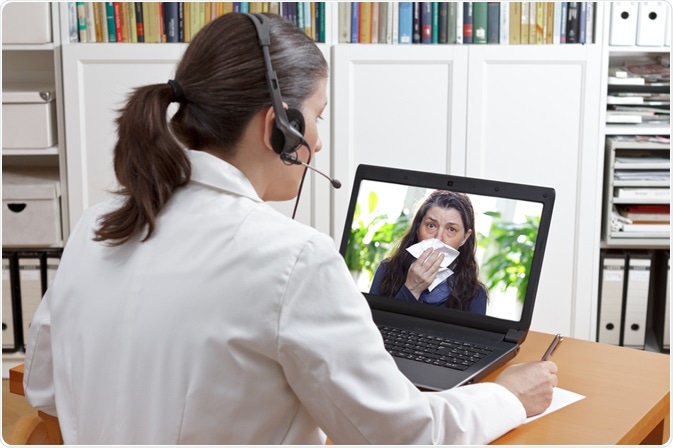
 Telemedicine is a blessing for many people around the world during the corona pandemic. But many people still prefer contacting their doctors online especially when they are well and have to continue the same medicine. Let us know more about telemedicine in details.




From schools, colleges to government offices, work is being done online. Even people suffering from diseases other than corona are facing many difficulties to get themselves treated. What is telemedicine?. Information related to Telemedicine is being given here in detail
In view of the covid situation, people across the country were facing a shortage of beds, oxygen as well as medicines in hospitals. Apart from this, people who are suffering from any disease other than corona, are also facing inconvenience in getting their treatment. However, the government has started telemedicine service in view of such dire circumstances and to reduce the congestion of hospitals. Through this, you can get the treatment of common problems sitting at home.
What is telemedicine?
Actually, 'tele' is a Greek word, this word means 'distance'. Whereas 'Meadery' is a Latin word, which means 'to heal'. Telemedicine is what we call telemedicine service in Hindi. In other words, telemedicine means getting your treatment done by contacting a doctor over any kind of communication medium like phone or video call.
Telemedicine is very beneficial mainly for such patients, who are isolated in their homes instead of being admitted to the hospital. Through this facility, during the lockdown, you can get your treatment done by consulting doctors in relation to common diseases through the medium of communication sitting at home.
Government Guidelines for Telemedicine
The Ministry of Health in collaboration with NITI Aayog has issued a guideline regarding telemedicine. According to this guideline, only registered doctors in telemedicine can treat people through audio or video call, text message, email. However, telemedicine is not suitable for emergency situations such as heart attack or stroke, cuts or wounds, or broken bones, as these require X-rays, splints, or casts.
For example, if you suspect that someone may be infected or have sudden abdominal pain, you can have a virtual consultation with a healthcare provider ie a doctor. If you are on vacation, and you think you have a sore throat, you can contact your primary care doctor.
Advantages Of Telemedicine
The biggest advantage of getting your treatment done through telemedicine is that you don't need to know anywhere for it. The second biggest advantage is that you will save about 30 percent of the cost of getting your treatment done through telemedicine. The most important thing is that this facility will reduce the crowd in hospitals.
Due to this, along with adequate facilities for the admitted people in the hospital, it will be convenient to treat the doctor. Through this service, you do not have to go round the hours in the hospital line. This will save your time as well as save from covid infection.
So, stay in touch with your doctor and avoid any diseases as "Prevention is better than cure."





.jpeg)










.jpg)
.jpg)
.jpg)
.jpg)
.jpg)
.jpg)


.jpg)