 Thursday, October 08, 2026
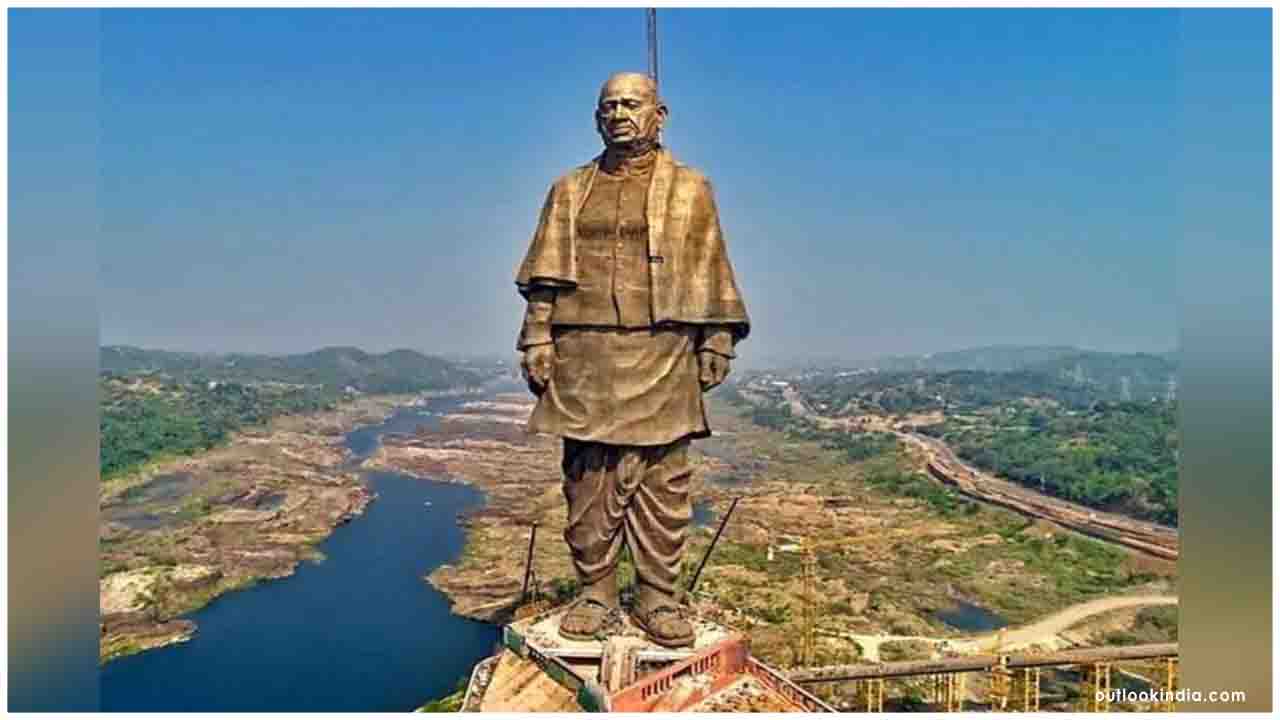
 Gujarat Coronavirus case are rising rapidly, government will lessen the burden by sending the migrant workers to their homes




In Gujarat, as many 608 patients were discharged from various hospitals in the last 24 hours. As many as 468 patients got discharged from Ahmedabad alone. The State Health Department said, 372 fresh cases were reported from the state yesterday taking the total number to 15,944.
Keeping the grim economic conditions due to pandemic, Gujarat High Court ordered 10 percent cut in the cost of COVID-19 treatment in private hospitals. The division bench comprising Chief Justice Vikram Nath and Justice J B Pardiwala was hearing a suo motu PIL regarding the COVID 19 situation in the state.
As per the official sources, a lawyer representing the state government told the court that the Covid 19 testing is being done as per the guidelines provided by ICMR. The bench has directed ICMR to join as a party to the case.
Meanwhile, the bench also heard the plea filed by Ahmedabad Medical Association regarding the prior permission for private hospitals to conduct Covid 19 tests. The bench directed the state government to dispense with the requirement of the prior permission from the state government for testing Covid 19 samples; in such cases intimation through email will be adequate. According to the latest news, Ahmedabad reported 253 cases in the last 24 hours. Sixteen districts recorded single-digit growth yesterday. The state has now 6,355 active cases of COVID-19. As many as 8,609 patients have recovered from the COVID-19 while 980 patients have succumbed to the virus till date.
Meanwhile, Chief Minister Vijay Rupani yesterday ordered to pay 25 crore rupees to Indian Railways from CM Relief Fund for sending migrant workers to their native states. This comes close after National Human Rights Commission (NHRC) today issued notices to governments of Gujarat and Bihar and Chairman of Railway Board as well as Union Home Secretary on reports that the trains which are ferrying the migrant labourers are not only starting late but are taking many additional days to reach a destination.
The Commission said it is alleged that many migrant labourers lost life during their journey by train due to longer duration and no arrangements for drinking water and food. Taking suo moto cognizance of media reports, the Commission asked them to submit a detailed report in the matter within four weeks.
The NHRC said the Chief Secretaries of Gujarat and Bihar are expected to specifically inform as to what steps were taken to ensure basic facilities including medical facilities for the migrant labourers who boarded the trains. Issuing the notices, the Commission has observed that the Rail network in India is the largest in the world and well equipped with modern technology, trained staff and other infrastructure.
A train getting late due to bad weather for some hours is always considered beyond the control of the authorities but trains getting lost during journey, reaching unexpected destinations and taking more than a week to reach its scheduled station is hard to believe and require a thorough investigation into the matter. Over 14 lakh migrant workers have been sent to their home states from Gujarat through various modes of transport till now, out of which more than 10 lakhs were sent back home from Surat alone.
Meanwhile, on the proposal of the State Government, Union Government yesterday extended the deadline for the repayment of the short-term agriculture loans by three more months. Farmers can now repay their agriculture loans till 31st August.






.jpeg)










.jpg)
.jpg)
.jpg)
.jpg)
.jpg)
.jpg)


.jpg)