 Thursday, October 08, 2026
 UAE Coronavirus News Updates Aug 10, 2020




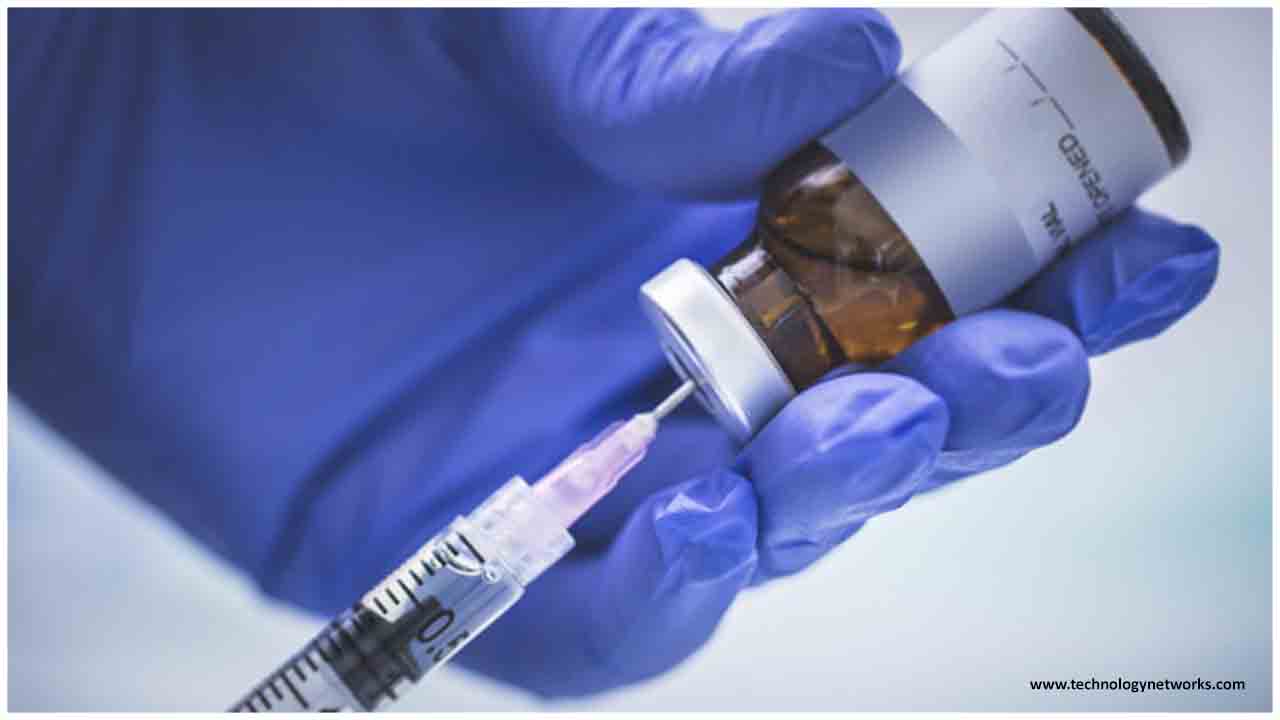
The world’s first Phase III trials of an inactivated vaccine for COVID-19 being held in the United Arab Emirates have reached a major milestone with over 5000 volunteers who have now received their first vaccination.
The 5000th vaccination was given in the presence of Dr. Jamal Al Kaabi, the Acting Undersecretary Department of Health, Abu Dhabi, at the recently developed purpose-built walk-in registration, screening and testing centre at the Abu Dhabi National Exhibition Centre (ADNEC). Dr. Al Kaabi was the second participant in the vaccination programme and received his second shot this week.
The trials began in Abu Dhabi on 16th July and are being managed by G42 Healthcare in partnership with the Department of Health - Abu Dhabi, the UAE Ministry of Health and Prevention (MOHAP) and Abu Dhabi Health Services Company (SEHA).
The inactivated vaccine has been developed by Sinopharm CNBG, the world’s sixth-largest vaccine manufacturer.
A sense of national pride and shared commitment has led to over 80 nationalities in the community already volunteering to participate, inspired by the UAE Leadership’s commitment to overcoming the pandemic through a global collaborative effort.
The ADNEC facility can manage 1000 volunteers a day and is open daily from 8 am to 8 pm to allow the maximum number of individuals to participate. A second walk-in centre is also now operational at the Al Qarain Health Centre in Sharjah with a daily capacity of 500.
The Ministry of Health and Prevention, MoHAP, announced Sunday that it conducted 61,544 additional COVID-19 tests over the past 24 hours, using state-of-the-art medical testing equipment. In a statement, the Ministry stressed its aim to continue expanding the scope of testing nationwide to facilitate the early detection of coronavirus cases and carry out the necessary treatment. To control the pandemic, anyone showing symptoms of COVID-19 at university in Dubai must be isolated instantly and referred for a PCR test, the newly released ‘Protocols for the Reopening of Higher Education Institutions [HEI] in Dubai’ said on Monday.
The 118-point protocol, announced by Dubai’s Knowledge and Human Development Authority (KHDA), said such a person “should not return to HEI until the result is obtained. Even if the result is negative and there is a clinical assessment of a probable COVID-19 case, the person should commence a 14-day quarantine.”
As part of its intensified testing campaign, MoHAP announced 225 new coronavirus cases, bringing the total number of cases in the UAE to 62,525. According to the Ministry, the infected individuals are from various nationalities, are in a stable condition, and are receiving the necessary care.
MoHAP also announced one death due to COVID-19 complications, bringing the total number of deaths in the country to 357.
The Ministry expressed its sincere condolences to the family of the deceased and wished current COVID-19 patients a speedy and full recovery, calling on all members of the society to cooperate with health authorities, adhere to the instructions and social distance to ensure the health and safety of all. MoHAP also noted an additional 323 individuals had fully recovered from COVID-19, bringing the total number of recoveries to 56,568.






.jpeg)










.jpg)
.jpg)
.jpg)
.jpg)
.jpg)
.jpg)


.jpg)