 Friday, November 20, 2026
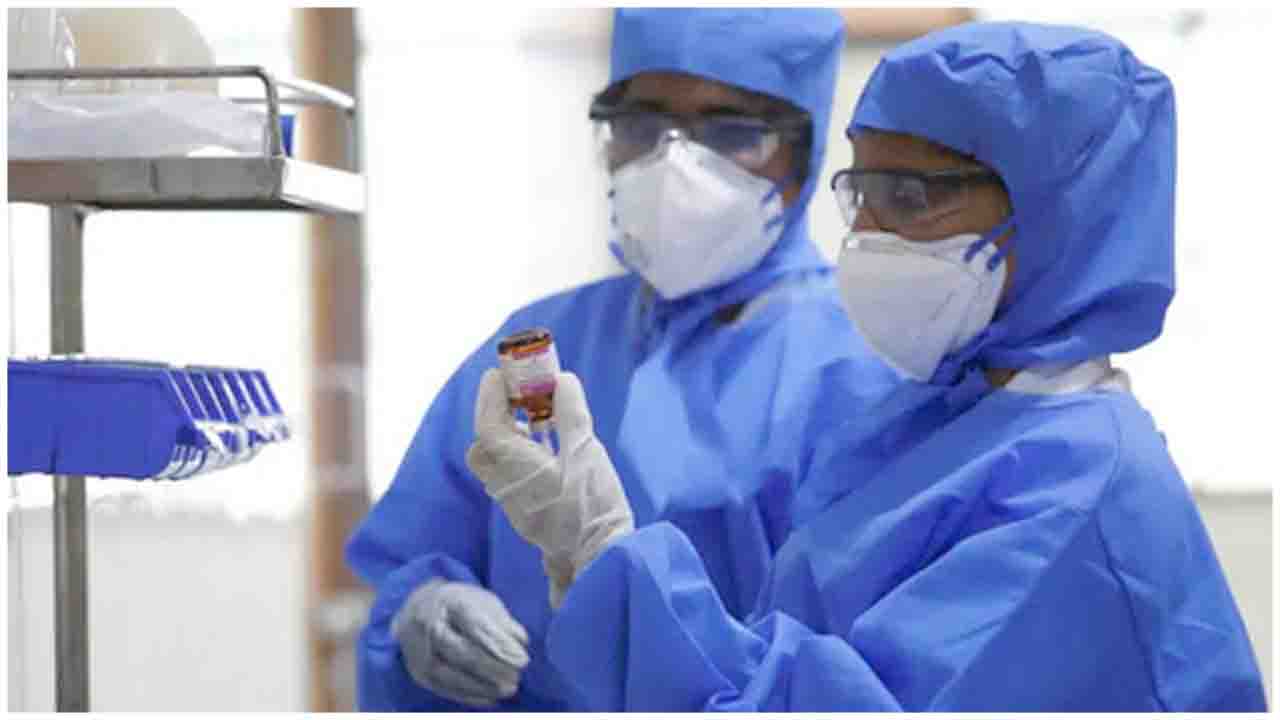
 Phase 3 Trials will be carried out at King George’s Medical University, Dr Ram Manohar Lohia Institute and Lucknow Medical College





CSIR constituent lab CSIR-Central Drug Research Institute (CDRI) Lucknow, has received permission for carrying out Phase III randomised, double-blind, placebo-controlled trial of efficacy, safety and tolerability of antiviral drug Umifenovir. The Phase III Clinical Trials will be carried out at King George’s Medical University (KGMU), Dr. Ram Manohar Lohia Institute of Medical Sciences (RMLIMS) and ERA’s Lucknow Medical College & Hospital, Lucknow.
Reportedly, this drug has a good safety profile and acts by preventing entry of the virus into human cells and also by priming the immune system. Umifenovir is mainly used for the treatment of influenza and is available in China and Russia, and has recently come into prominence due to its potential use for Covid-19 patients. The clinical trial is to evaluate its efficacy in Indian patients. CSIR-CDRI has developed the process technology for Umifenovir and licensed the process technology for manufacturing and marketing the drug to Medizest Pharmaceuticals, Goa, which has already received test license from DCGI.
Prof Tapas Kundu, Director, CSIR-CDRI said that all the raw materials for the drug are indigenously available and if the clinical trial is successful, Umifenovir can be a safe, efficacious, affordable drug against COVID-19 and can be part of National Programme against COVID-19. Prof Kundu also added that this drug has the potential for prophylactic use.
Dr. Shekhar Mande, DG-CSIR highlighted that this clinical trial is an integral part of the CSIR strategy of repurposing drugs for COVID-19 and complimented the team of scientists of CSIR-CDRI, Nilanjana Majumdar, Ajay Kumar Srivastava, Chandra Bhushan Tripathi and Nayan Ghosh, who were coordinated by Dr. Ravishankar Ramachandran, Nodal Scientist. The formulation and documentation team included PR Mishra, V Bhosale, RK Tripathi and S Sharma of CSIR-CDRI.
The clinical trial application was processed on high priority as per the DCGI’s initiative against COVID-19. The next steps of the trial are being fast-tracked to enable the availability of the drug to Indian patients as soon as possible.
Meanwhile, the Minister for Science & Technology, Earth Sciences and Health & Family Welfare Dr. Harsh Vardhan inaugurated and flagged off India’s first I-Lab (Infectious disease diagnostic lab) for Covid testing in rural and inaccessible areas of India, here today. Secretary, Department of Biotechnology Dr. Renu Swarup and other officials were present on the occasion. Dr. Jitendar Sharma, CEO, Andhra Med Tech Zone CEO, and senior officials from NITI Ayog, Ministry of Health & Family Welfare, MeiTY, other ministries, ICMR, DST, CSIR etc joined the function through web online.
Expressing his happiness to launch the I-Lab, infectious disease diagnostic laboratory- a mobile testing facility, Dr. Harsh Vardhan dedicated this facility to provide Covid testing access to rural India. This mobile testing facility will be deployed through the DBT testing hubs to remote regions of the country for Covid testing. He congratulated and appreciated the efforts of the DBT in tackling the Covid pandemic, and added that DBT coordinated in scaling-up testing for Covid by reorienting premiere laboratories as Covid testing centers in a hub and spoke model. There are now over 20 hubs in the country with 100 testing laboratories and these have tested more than 2,60,000 samples





-23-300x250.png)





















