 Thursday, October 08, 2026
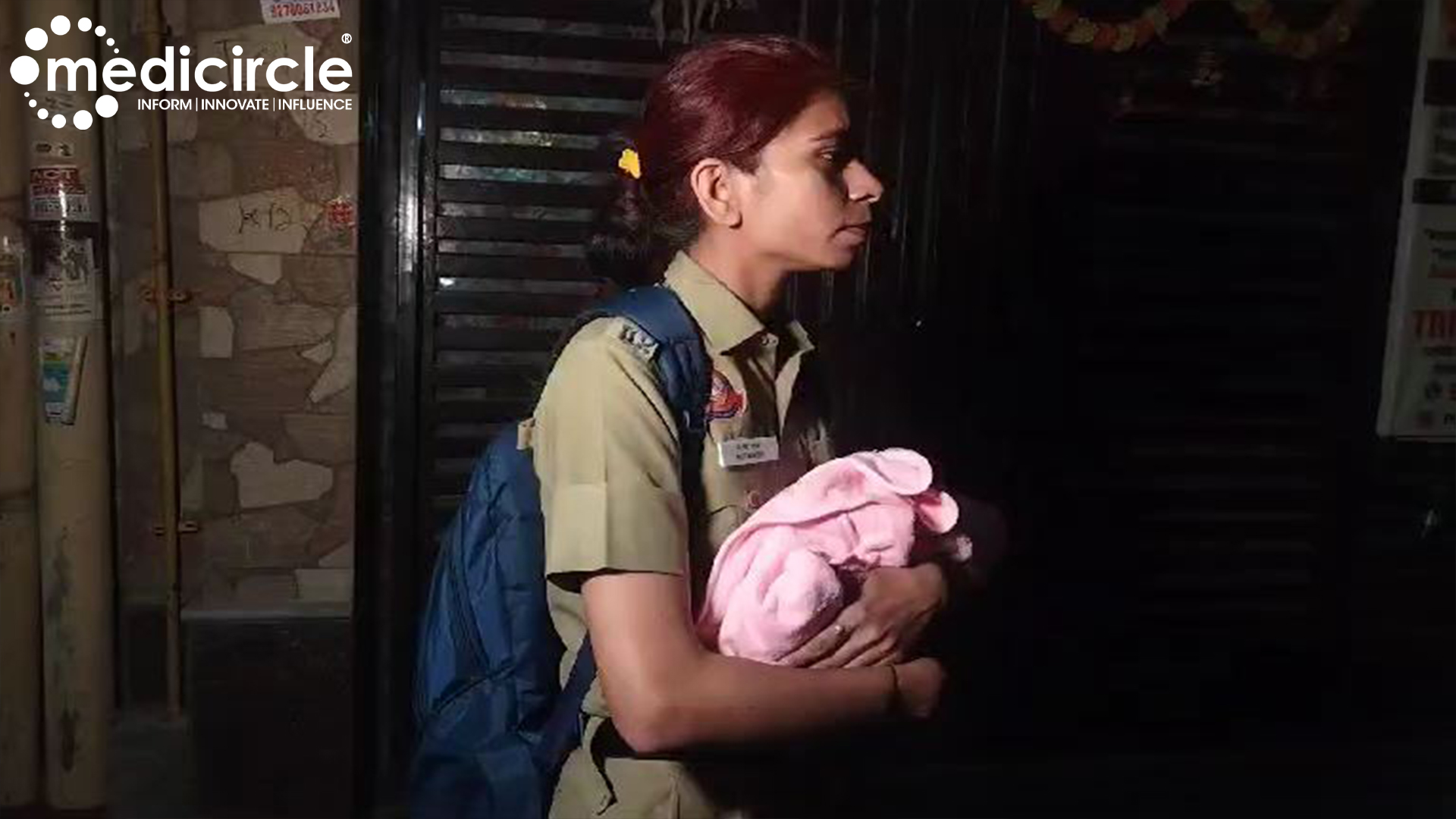
 The central government has sought detailed reports from state authorities, signaling a commitment to addressing these critical issues and ensuring accountability within the fertility sector.




In recent months, investigations by the Central Bureau of Investigation (CBI) have shed light on the alarming proliferation of fertility centres in Delhi engaged in illicit activities, including child trafficking and illegal surrogacy services. The findings have unveiled a shadowy underground market thriving within these centres, raising concerns about the exploitation of vulnerable individuals, including surrogate mothers and newborn babies.
Illicit Activities and Trafficking Nexus: The CBI's investigation into a child trafficking case uncovered a disturbing trend where babies were allegedly purchased from surrogate mothers associated with certain fertility clinics. This revelation exposed the presence of organized syndicates operating within IVF centres, exploiting loopholes in the system to engage in illegal activities like organ trafficking, begging, and other nefarious practices.
Surrogacy (Regulation) Act of 2021: In response to rising concerns about unethical practices in the fertility industry, the Surrogacy (Regulation) Act of 2021 was enacted, prohibiting commercial surrogacy and placing strict regulations on assisted reproductive technologies (ART) and surrogacy services. The legislation aims to protect surrogate mothers from exploitation and prevent the abandonment of children born through surrogacy.
Under this law, only married couples unable to conceive naturally are eligible for surrogacy, and specific criteria must be met by both intended parents and surrogate mothers. The Act strictly prohibits the sale of gametes and any form of compensation to surrogate mothers beyond medical expenses and insurance coverage.
Recent Law Enforcement Actions: Law enforcement agencies have taken decisive action against illegal IVF centres involved in trafficking and other illegal activities. In April 2022, six individuals were apprehended for trafficking newborn babies, with two staff members of a Greater Noida IVF facility implicated in the criminal network. This group reportedly abducted children and sold them to childless couples under the guise of legal adoption, forging documents to conceal their illicit activities.
In another incident, the owner of an IVF clinic in Greater Noida was arrested following the tragic death of a patient during an IVF procedure. Investigations revealed fraudulent practices, including the use of fake medical degrees. Additionally, past crackdowns on illicit IVF operations have uncovered schemes involving sex selection services offered in foreign countries to circumvent Indian laws, highlighting the extent of illegal activities within the fertility industry.
Challenges and Government Response: The incidents demands urgent need for stricter regulations and enhanced oversight of fertility clinics to curb illegal practices and protect vulnerable individuals, including surrogate mothers and children. The central government has sought detailed reports from state authorities, signaling a commitment to addressing these critical issues and ensuring accountability within the fertility sector.
The revelations from recent investigations highlight the gravity of illegal activities plaguing Delhi's fertility centres, posing significant risks to public health and safety. Efforts to combat these issues must prioritize stringent enforcement of existing laws, proactive regulatory measures, and increased awareness to safeguard the well-being of individuals affected by illicit practices in the fertility industry.





.jpeg)










.jpg)
.jpg)
.jpg)
.jpg)
.jpg)
.jpg)


.jpg)