 Monday, October 05, 2026
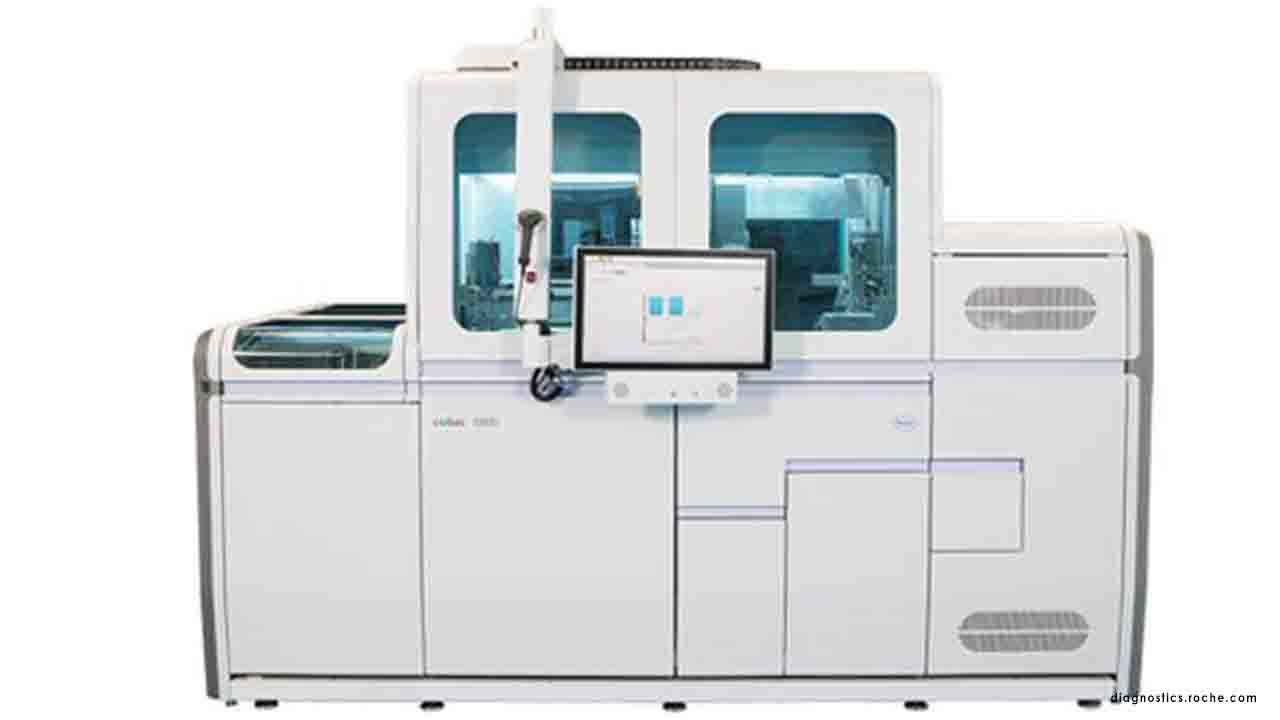
 Cobas 6800/8800 gets USFDA approval for the machines are also being used in India for Covid detection




Roche today announced U.S. Food and Drug Administration (FDA) approval for the cobas HIV-1/HIV-2 Qualitative Test for use on the fully automated cobas 6800/8800 Systems in the U.S. The test provides healthcare professionals with a single result to confirm HIV diagnosis and differentiate HIV-1 and HIV-2, an important distinction needed to identify appropriate treatment options.
“Roche is committed to improving diagnostic technologies in the fight against HIV/AIDS,” said Thomas Schinecker, CEO Roche Diagnostics. “Being able to reliably determine a person’s HIV status and accurately diagnose which HIV type they may have is crucial for patients and healthcare providers in preventing further community transmission and selecting an individual’s best treatment options.”
Studies show that 50% of new HIV infections may be transmitted during the acute period, between three days and three weeks from the time of infection1. Current serology-based testing methods rely on the ability to detect an antibody or antigen response. As a result, they can fail to identify an infection if the person is tested prior to having a detectable antibody or antigen response, which can take several weeks to generate. The higher sensitivity of PCR technology, which is used with the cobas HIV-1/HIV-2 Qualitative Test, can reduce this time-to-detection period by one week or more. This significant reduction in time to detection is critical to improve personalised healthcare while curbing further disease transmission.
About the cobas HIV-1/HIV-2 Qualitative Test
cobas HIV-1/HIV-2 Qualitative for use on the cobas 6800/8800 Systems is an in vitro nucleic acid amplification test for the qualitative detection and differentiation of human immunodeficiency virus type 1 (HIV-1) and type 2 (HIV-2) RNA in human serum and plasma.
The test is intended to be used as an aid in diagnosis of HIV-1/HIV-2 infection. Detection of HIV-1 or HIV-2 nucleic acid is indicative of HIV-1 or HIV-2 infection, respectively. The presence of HIV-1 or HIV-2 nucleic acid in the plasma or serum of individuals without antibodies to HIV-1 or HIV-2 is indicative of acute or primary infection. cobas HIV-1/HIV-2 Qualitative may also be used as an additional test to confirm the presence of HIV-1 or HIV-2 infection in an individual with specimens reactive for HIV-1 or HIV-2 antibodies or antigens. The assay may also be used as an aid in the diagnosis of infection with HIV-1 and/or HIV-2 in pediatric subjects and pregnant women.
About HIV-1 and HIV-2 in the U.S.
The U.S. Centers for Disease Control and Prevention (CDC) estimated in 2018 that 1.2 million people were living with HIV in the United States. Among them, more than 160,000 people did not know their HIV status, and only 53 percent were virally suppressed having low amounts of virus circulating in their blood. During this same year, 37,968 people became newly infected with HIV2.
Human immunodeficiency virus (HIV) is categorized into two types, HIV-1 and HIV-2. Worldwide, most HIV infections are HIV-1, whereas HIV-2 largely has been confined to persons in or from West Africa. However, HIV-2 has been steadily increasing in the U.S. due to immigration3. HIV-1 and HIV-2 have the same routes of transmission, and both can cause acquired immunodeficiency syndrome (AIDS); however, it is important to differentiate HIV-2 infections from HIV-1 infections because they require different clinical management4.
About the cobas 6800/8800 Systems
When every moment matters, the fully automated cobas 6800/8800 Systems offer the fastest time to results with the highest throughput and the longest walk-away time available among automated molecular platforms. With proven performance, absolute automation and unmatched flexibility delivering unparalleled throughput 24/7 — cobas 6800/8800 Systems are designed to ensure a lab’s long-term sustainability and success … now, more than ever.






.jpeg)
.jpg)
.jpg)
.jpg)
.jpg)
.jpg)
.jpg)







.jpeg)

.jpeg)


.png)