Tuesday, October 06, 2026
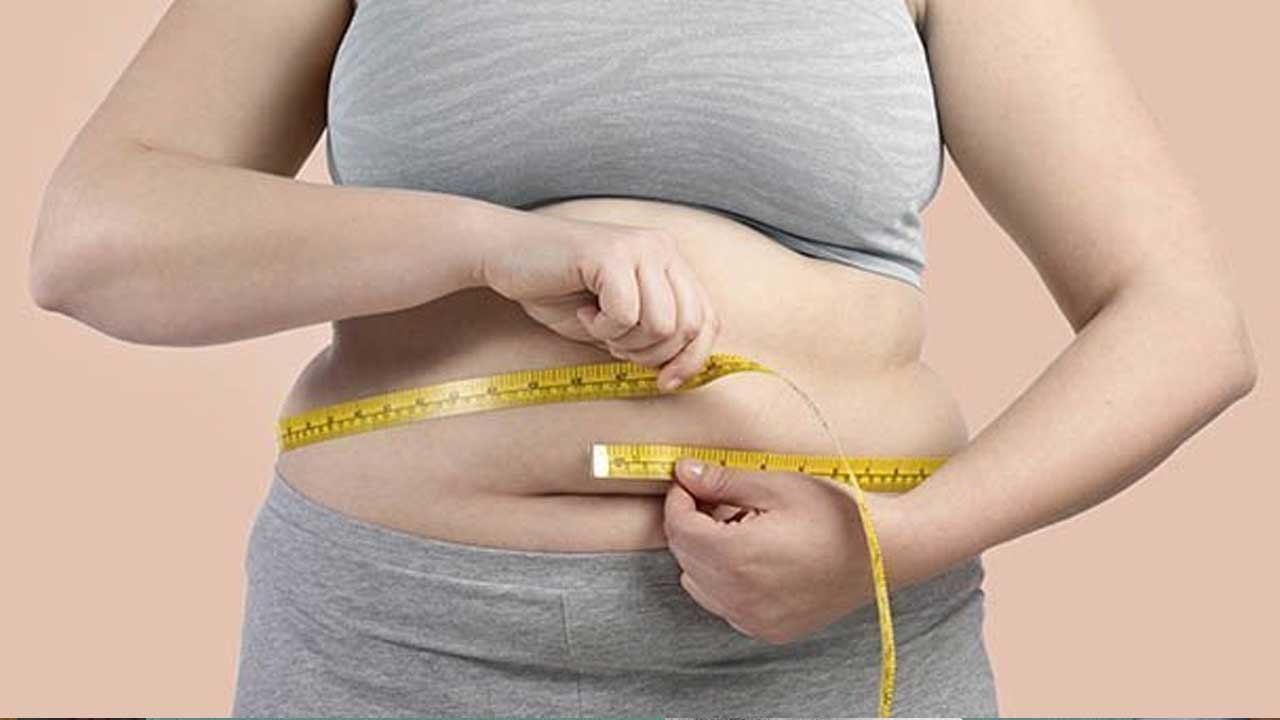
 Vitamin D deficiency reduces the metabolism and digestion of fats. This leads to weight gain and obesity which leads to a gateway to a number of diseases and disorders.





Vitamin D is the most essential nutrient for keeping bones and teeth healthy. Vitamin D is also very helpful for brain function. That is why it is advisable to regularly include foods rich in vitamin D in the diet. Vitamin D deficiency can prove to be harmful to the body. Due to the lack of this nutrient, many health problems start to occur. These days, it is also being advised to increase the dosage of vitamin D for protection against coronavirus. At the same time, due to lack of vitamin D, obesity can also increase in the body.
Does Vitamin D Deficiency Increase Obesity?
A new study says that vitamin D deficiency can increase people's obesity. This study claims that not getting enough vitamin supplements can cause people to gain a lot of body weight. Due to this, they can become victims of obesity.
Vitamin D deficiency disrupts the metabolism of the body
A direct link between obesity and vitamin D deficiency has been reported in this research paper published in the journal 'Scientific Reports. Actually, it was seen in this study that when there is a deficiency of vitamin D, then fat starts accumulating in the body. Thereby, the metabolic rate is affected.
For this research conducted at North Carolina State University (USA), zebrafish were studied. In the study, the authors said, conditions of hypertrophy and hyperplasia were observed during the study due to deficiency of vitamin D. Also there were changes in the size of the fat cells. Apart from this, problems like high triglycerides and high cholesterol levels, considered to be symptoms of metabolic disorders, were seen.
Major symptoms of Vitamin D deficiency
Anxiety Mood swings Feeling irritable Joint pain Fatigue Taking a long time to healVitamins and minerals help the body to do its job properly. By the way, if we take a good and balanced diet, then we get different types of vitamins in sufficient quantities from them. But, when we do not take the right diet or there is a lack of vitamins in our body, then doctors recommend taking vitamin pills or supplements in this situation. Because due to a lack of vitamins in the body, we can fall prey to many diseases and our body may be unable to function properly. Each vitamin has a different role in the body and no one vitamin can do the work of any other vitamin. But before consuming vitamin pills or supplements, you should know the right time and way to take them. So let's know the right time and way to take vitamin pills-
When and how should vitamin pills be taken?
Whenever a person consumes medicines of vitamins or minerals, then he should take special care of two things-
Stability TimeYou need to take your pills regularly and at the right time. There are some vitamins that are consumed after a meal, while there are some vitamins that are more beneficial if taken on an empty stomach. At the same time, there are also some vitamin pills which, if taken at the right time and proportion, can reduce the risk of many serious diseases.





.jpeg)




.jpg)
.jpg)
.jpg)
.jpg)
.jpg)
.jpg)


.jpg)
.jpg)
.jpg)
.jpg)
.jpg)
.jpg)