 Thursday, October 08, 2026
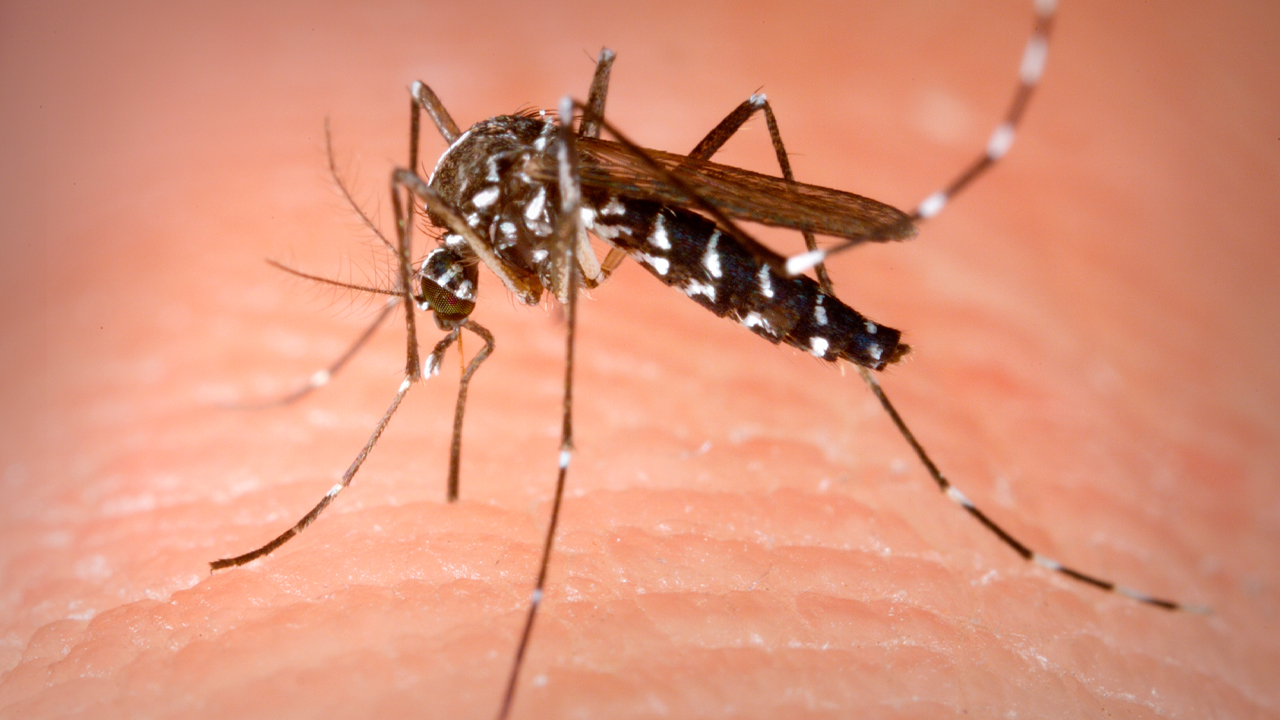
 According to the National Center for Biotechnology Information, “the Asian tiger mosquito is an aggressive biting mosquito native to Asia that has colonized all continents except Antarctica during the last 30-40 years. The Asian tiger mosquitoes can spread disease like Dengue, Chikungunya and Zika."




Asian tiger mosquitoes often referred to as forest mosquitoes, are an alien species that receives its "tiger" name from the single white stripe that runs down the middle of their head and back. The Eastern Equine Encephalitis (EEE), Zika, West Nile, Chikungunya, and dengue fever can all be spread by this daylight-biting bug native to Southeast Asia.
Asian tiger mosquitoes have silvery white marks on their black bodies. As with all mosquito species, the males' antennae are notably bushier than the females' and possess auditory receptors to pick up the females' unique buzz.
Symptoms carried by Asian Tiger Mosquitoes:
After the bite, you'll experience immediate itching that will get worse for a few minutes. The bite typically results in a flat, blister-like spot that is 2 to 5 centimeters in diameter, somewhat lighter in color than the skin, round, and has a red halo that may expand outwards depending on how each person's skin reacts. The bite will typically feel painful, hot, and firm.
Tiger mosquito bites almost immediately itch, but the itch quickly goes away. However, if the temperature changes over a few days, the bite may "reactivate" (after a shower, for example).
Causes
The aggressive Asian tiger mosquito feeds mainly during the day and has a wide range of hosts, including people, domestic and wild animals, and birds. It may transmit encephalitis, yellow fever, dog heartworm, dengue (all four serotypes), and encephalitis. Asian Tiger Mosquitoes can also be the reason for the West Nile Virus.
Prevention of Asian Tiger Mosquitoes:
By abolishing egg-laying grounds, it will be possible to stop the spread of this species, It is important to:
- Frequently replace the water in vases
- Put away any recipient in a place that is protected from rain, including buckets, containers, gardening tools, toys, and other items.
- Use a mosquito net or cloth to cover the rainwater collection tanks.
- To enable optimum drainage, keep the gutters clean.
The best strategy to prevent and manage these pests is to actively work to make your surroundings as unattractive to mosquitoes as you can, which entails removing the primary attractants like water.
Other treatments
Using these several strategies, you can also prevent getting bitten by mosquitoes. For example, By wearing long full sleeves clothes, applying mosquito repellent on your skin, and using mosquito nets before you go to sleep.





.jpeg)








.jpg)
.jpg)
.jpg)
.jpg)
.jpg)
.jpg)


.jpg)
.jpg)
.jpg)