 Friday, October 09, 2026
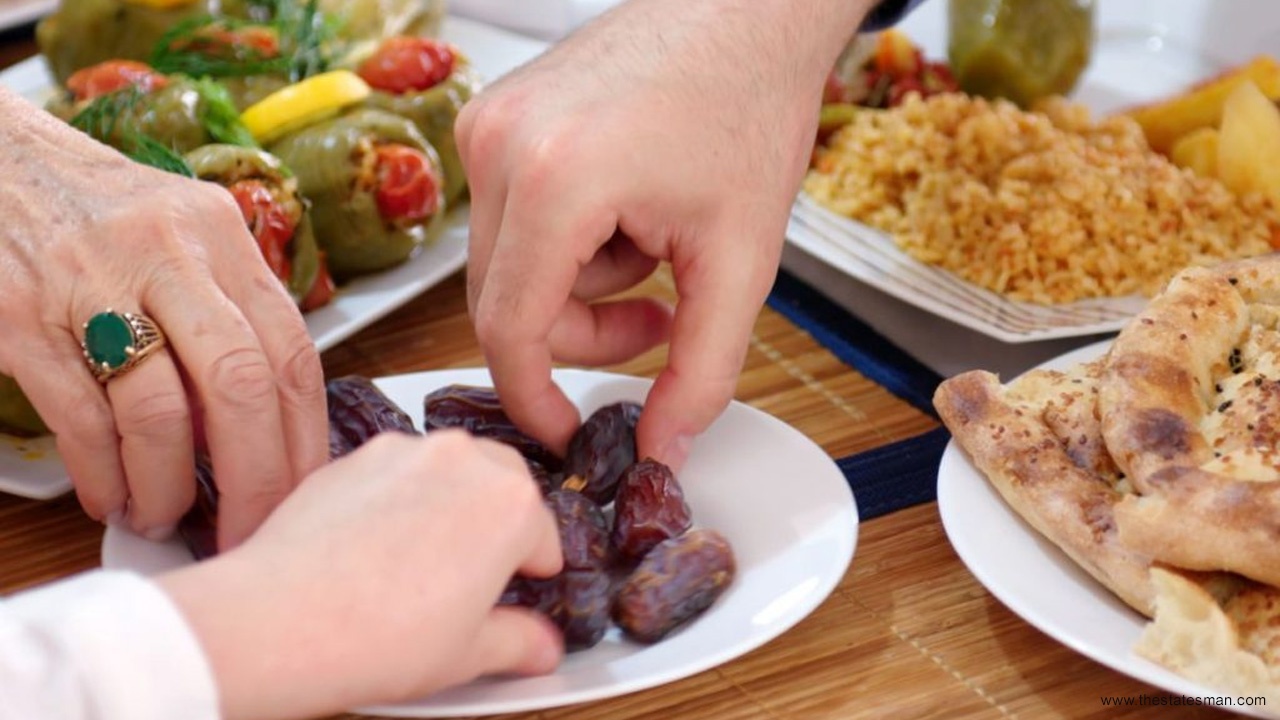
 Ramadan fasting is a kind of intermittent fasting. Intermittent fasting is very effective for weight loss. Here are some tips which you can try for effective weight loss even during Ramadan fasting.





The month of Ramadan is considered to be auspicious for Muslims around the world. During this fest, Muslims fast for almost a whole month. Their fasting is a kind of intermittent fasting wherein they fast for almost 14 hours and eat for the rest of 10 hours. These people consume meals twice a day. The first meal is a sehri, which they take before dawn, and the second meal is an iftar that is taken after sunset. Ramadan fasting is an excellent way to shed some kilos. Intermittent fasting is considered ideal for weight loss. The results are very much positive and effective.
How to lose some kilos during Ramadan fasting?
Healthy sehri – Sehri which is taken in the eve hours should be large and satisfying. Your meal should be such that it should provide energy the whole day. Try to consume complex carbohydrates like wholegrain and not refined carbs like maida. Your meal should also include protein as it will keep you full for longer hours, for this you can take cheese or eggs. Carbohydrate and protein intake will ensure a stable glucose level in the body.
Avoid binge eating at iftar – Don’t indulge in binge eating at the break of the fast. Break your fast slowly. Consume high fiber foods, they will replenish energy lost during long hours of fasting. Slowly move into easily digestible food items like soups and salads. And then take your proper balanced meal with carbohydrates and proteins, avoiding fried or fatty foods with high caloric content.
Limit processed foods – Processed foods are typically high in fats, salt, sugar, and calories. Fast foods or packaged foods cause weight gain and this has been proved in studies. Avoid ready-made foods from the market and prepare fresh home-based foods out of nutritious, healthy raw ingredients.
Stay active – Regular exercise along with healthy eating will help maintain a healthy weight and lifestyle. Burning excess body fat and maintaining muscle mass will maintain your BMI at normal.
Stay hydrated – Drinking water promotes weight loss irrespective of diet or weight loss. Drinking 8 glasses of water a day will prevent dehydration and its adverse effects. Ramadan usually falls in the hot month of May or June, and not drinking enough water may cause excessive dehydration. Try avoiding caffeinated beverages like tea or coffee, they promote water loss.
(Disclaimer: The content on this site is for informational purposes only, and should not be taken as professional medical advice. Always seek the guidance of your doctor or other health professionals for any questions you may have regarding your health or a medical condition.)





.jpeg)










.jpg)
.jpg)
.jpg)
.jpg)
.jpg)
.jpg)


.jpg)