 Monday, October 12, 2026
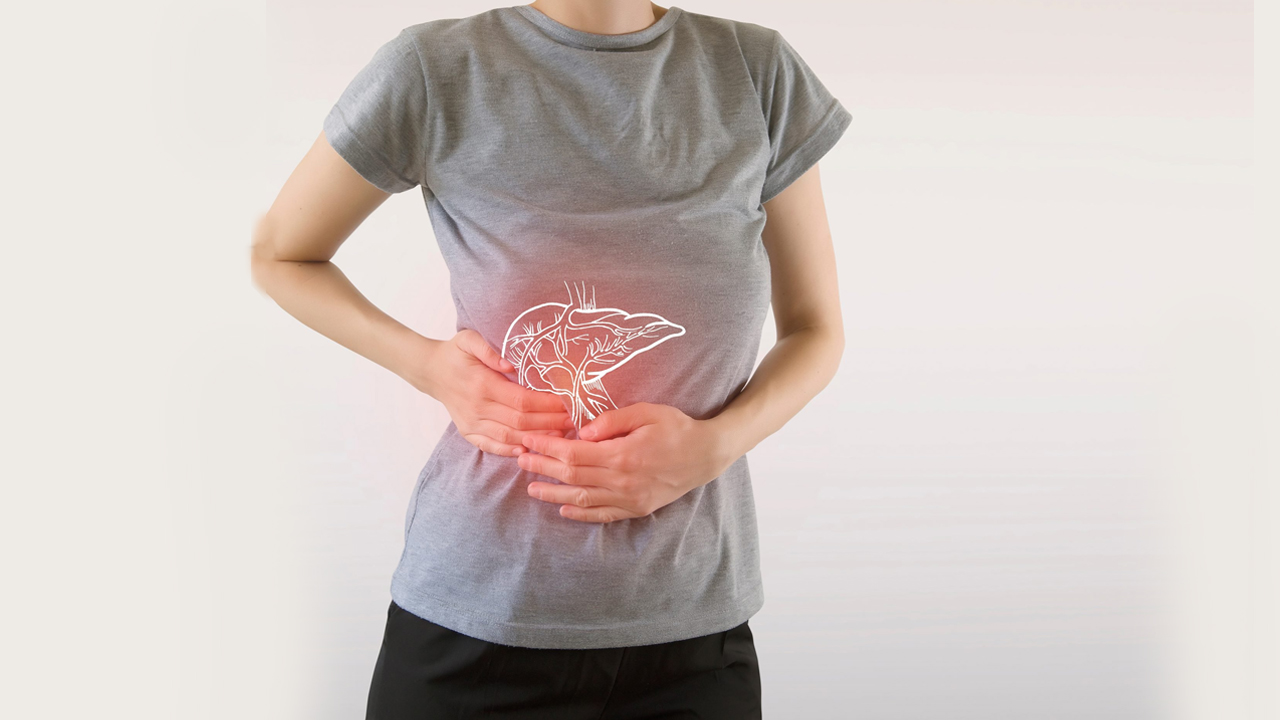
 Yes, PCOS can also badly affect the liver. Let us know in detail what is the relationship between PCOS and Fatty Liver (Link Between pcos and Fatty Liver).





Polycystic ovarian syndrome i.e. PCOS has become a common problem in women nowadays. Irregular periods, excessive pain during menstruation, acne, pain in the pelvic area, unwanted hair growth on the face and difficulty in conceiving are considered symptoms of PCOS. PCOS can affect the fertility of women. Apart from this, PCOS causes many diseases including obesity, diabetes. It also includes the liver disease fatty liver.
What is Fatty Liver?
Fatty liver disease is the most common liver issue. The problem of fatty liver can be alcoholic and non-alcoholic. Although it is believed that fatty liver disease is caused by drinking excessive amounts of alcohol, it can also happen in people who do not drink alcohol. Fatty liver problems can happen to both men and women. There is a close link between PCOS, a common problem faced by women, i.e. polycystic ovary syndrome and fatty liver. Fatty liver symptoms are nausea, loss of appetite, weakness, fatigue, weight loss, digestive disturbances.
Link Between PCOS and Fatty Liver
PCOD badly affects ovulation and fertility. The problem of fatty liver is often seen in women suffering from polycystic ovary syndrome. Especially non-alcoholic fatty liver disease. Women with PCOS have a higher risk of developing fatty liver. According to the National Library of Medicine and Medicine, non-alcoholic liver disease occurs most often in patients with polycystic ovary syndrome (PCOS). Obesity and insulin resistance are known to be the main causes of liver disease in PCOS. Excess androgens can be a factor in the development of non-alcoholic liver disease. There is a relationship between PCOS and fatty liver.
Why does PCOS cause fatty liver?
Actually, PCOS is triggered by insulin resistance. . Apart from this, obesity increases due to PCOS, there is an excess of androgens, this increases fat in the liver. Timely treatment of PCOS is essential to prevent liver disease. Also, obesity should also be kept under control if there is PCOS. Liver disease can be avoided to some extent by this.
Symptoms of Fatty Liver Caused by PCOS
Consistently increasing weight, high LDL cholesterol level, low HDL cholesterol are common symptoms. To avoid liver disease after PCOS, you need to make changes in your lifestyle and diet. For this, avoid excessive consumption of sugar, refined foods in your diet. Also try to keep the cholesterol level under control. Eat a healthy diet, avoid unhealthy foods and exercise regularly.
In this way, you will be able to reduce the symptoms of PCOS and protect yourself from this serious liver disease. If you have PCOS, along with any symptoms of liver failure, see a doctor immediately. It can be treated on time, but do not ignore its symptoms at all.
Blood pressure measures the force of the blood. Blood pressure keeps on increasing or decreasing in different activities during the day, but if the blood pressure is changing for a long time then you may have health problems. If there is a problem of high BP i.e. hypertension, the patient also goes to medicine, but BP can suddenly increase at any time and due to this there may be a problem of heart disease or stroke.





.jpeg)










.jpg)
.jpg)
.jpg)
.jpg)
.jpg)
.jpg)


.jpg)