 Saturday, October 10, 2026
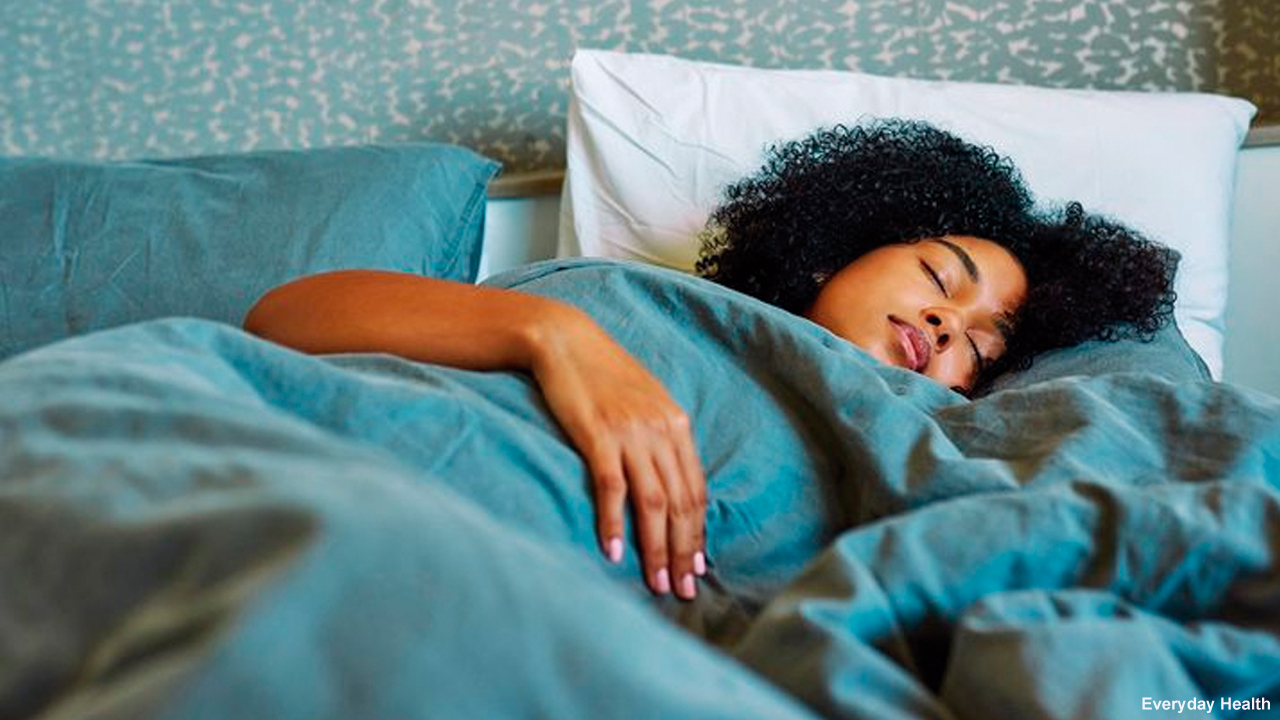
 Sleeping too much can be unhealthy regardless of the season. If you are sleeping 7-9 hours a day and still not feeling rested, talk to your doctor. Here are some ways that can help you get healthy sleep in winter also.





All our bodies have a circadian sleep cycle. Bodies are programmed to sleep at certain times of the day and mostly it is dark when there is no sunlight. But in winter, the days get shorter and nights are dark and lengthy. Long dark nights tend to make our bodies sleep more. The darkness also boosts the production of the sleep hormone, melatonin. This hormone regulates our sleep cycle and the presence of light usually slows down the process. In winter, the serotonin hormone (happy hormone) level tends to decrease. This results in an increase in anxiety and depression. Thus, our bodies fade away too.
Increasing levels of melatonin and decreasing levels of serotonin cause SAD (Seasonal Affective Disorder). Sluggishness, loss of motivation, excess sleepiness, and sad or anxious mood are some common symptoms of SAD.
Ways to overcome
Our brain will react to external stimuli (night means sleepy, day means awake) but still, we have control over certain things. Like, keep your rooms bright during the daytime, consume lighter meals instead of heavier meals which may take more energy to digest, and do regular exercise.
Many of us get up late in winter and retire early to go to bed, but there is no scientific reason to have extra hours of sleep in winter. Try to have only 8 hours of sleep and stick to your sleep schedule even on holidays. We generally deviate (make a shift) from our normal routine on holidays but it is very significant to have strict schedules that are getting followed even on Sundays.
The best sleep is the sleep that leaves you feeling refreshed. It’s mostly not at the end of a sleep binge, and obviously not on the edge of a few sparse hours.
Five small steps for healthy sleep
Light - Spend time in bright light during the day, natural light, or equivalent brightness.
Exercise - Exercise regularly for a deeper sleep. Aim for 30 minutes a day, 5 days a week.
Mealtimes - Eat your meals at consistent times day after day.
Avoid - Avoid heavy meals, nicotine, caffeine, and alcohol before bedtime.
Gadgets - Put your devices away an hour before bed and sleep in a quiet, cool, and dark environment.





.jpeg)










.jpg)
.jpg)
.jpg)
.jpg)
.jpg)
.jpg)


.jpg)