 Thursday, October 08, 2026
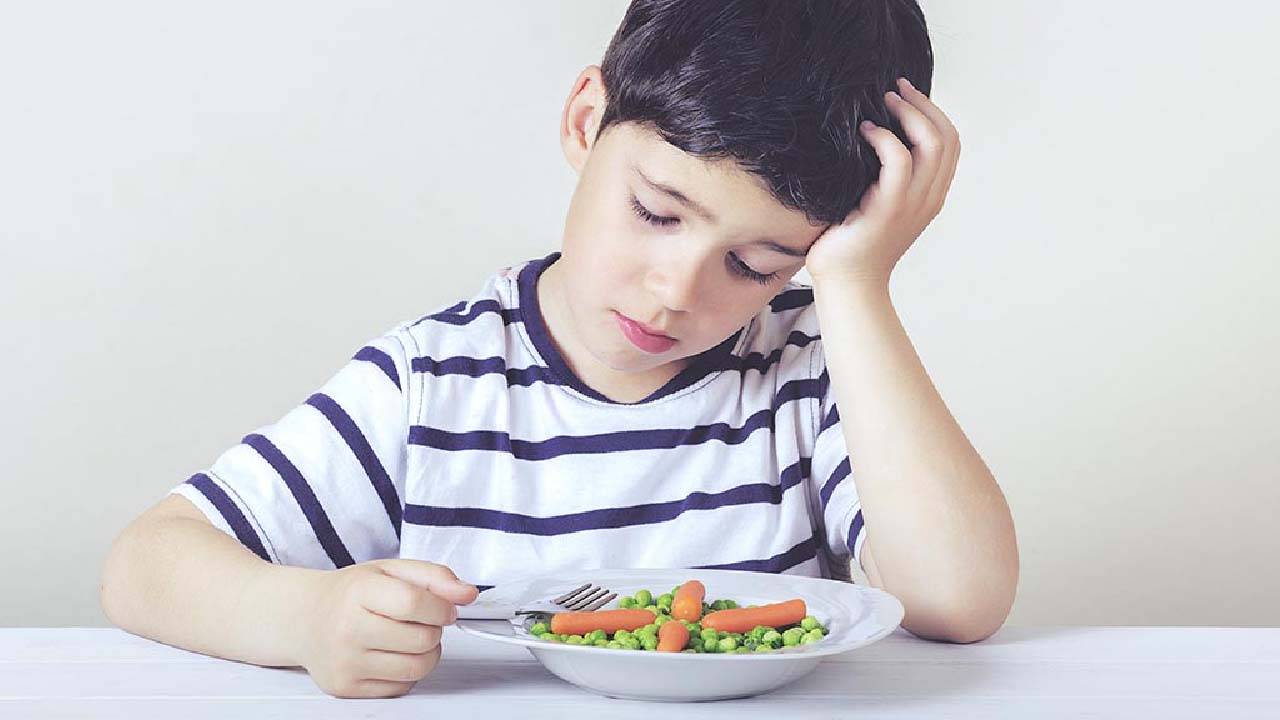
 Nowadays, problems like obesity, diabetes, high blood pressure, eye weakness, and liver inflammation are being seen in children at a very young age. One of the major reasons for all these problems is today's diet. If your child also has such bad habits, then we are telling you some tips, which can help in improving these habits.





Children often refuse to eat homemade food. Most children start eating packaged junk foods like chips, cakes, bread, pastries, chocolates, toffees, etc. as soon as they wake up in the morning. Instead of eating homemade food, kids prefer fried and junk foods like instant noodles, pizza, burgers, momos, and rolls. These eating habits are considered wrong because they affect the health of children as well as their physical and mental development.
Fix baby meal time
If you fix a time for children's meals, then they will feel hungry every day at the same time and eating food will become a part of their habit. But if their meal time is not fixed, then they will keep eating something or the other throughout the day and then they will not feel hungry at the time of eating. Therefore, allow children to eat food only around a certain time every day.
Make colorful baby food plate
Young children are very much attracted to colors and shapes. If your child does not show enthusiasm for eating food, then make some changes in the way the food is served. Make kids' dinner plates a little more colorful with different vegetables, fruits, and grains. Apart from this, you can also arouse interest in eating them by giving some special shape to the food.
The whole family eats together
If everyone in your family eats different food, it can be difficult to feed the kids every day. But if you eat the whole family sitting together, then the child will eat more food without tantrums and will eat food every day. If the child goes to school during the day, at least dinner should be eaten by the whole family together.
Make daily food nutritious
Although home food is often healthy, if you want, you can make everyday food more healthy. Like you put a spoonful of desi ghee in lentils and vegetables. Similarly, while preparing vegetables, curry leaves, cinnamon powder, black pepper powder, mint leaves, fennel, etc. can be added to it, which will make the food more nutritious. You can use milk to knead the dough for roti or to cook rice, which will make them nutritious. You can also use fruit and vegetable juices in a variety of dishes.
Try new dishes
Children often get bored of eating the same food, so feed them by making new dishes. Nowadays, many healthy and tasty food recipes can be easily found on YouTube. If you keep making something new for the children, then they will feel like eating home food.
By following these tips, you can easily feed healthy and nutritious food to children every day. If your child does not eat any food at home or outside and because of this he is having weakness or any other problem, then he may be a victim of an eating disorder. In such a situation you should contact the doctor.





.jpeg)










.jpg)
.jpg)
.jpg)
.jpg)
.jpg)
.jpg)


.jpg)